A Powerful El Niño Is Intensifying — and Its Effects Are Already Being Felt Worldwide
A powerful El Niño is intensifying across the Pacific and is expected to peak around this period, disrupting weather patterns around the world. Indonesia is battling severe wildfires, India is experiencing a weak monsoon, and parts of South America face increased flood risks.
A strong El Niño has developed across the tropical Pacific and is now approaching its expected peak, with NOAA currently classifying the event under an El Niño Advisory. El Niño occurs when surface waters in the central and eastern equatorial Pacific become unusually warm, altering atmospheric circulation and shifting weather patterns far beyond the Pacific itself.
What makes the current event notable is its strength. Forecasters have warned that the 2026 El Niño could become one of the strongest on record, with some indicators already surpassing levels seen during the powerful 2015 event. That does not mean every region will experience the same effects, but strong El Niño years tend to produce more pronounced disruptions to rainfall, temperatures, drought patterns and storm activity.
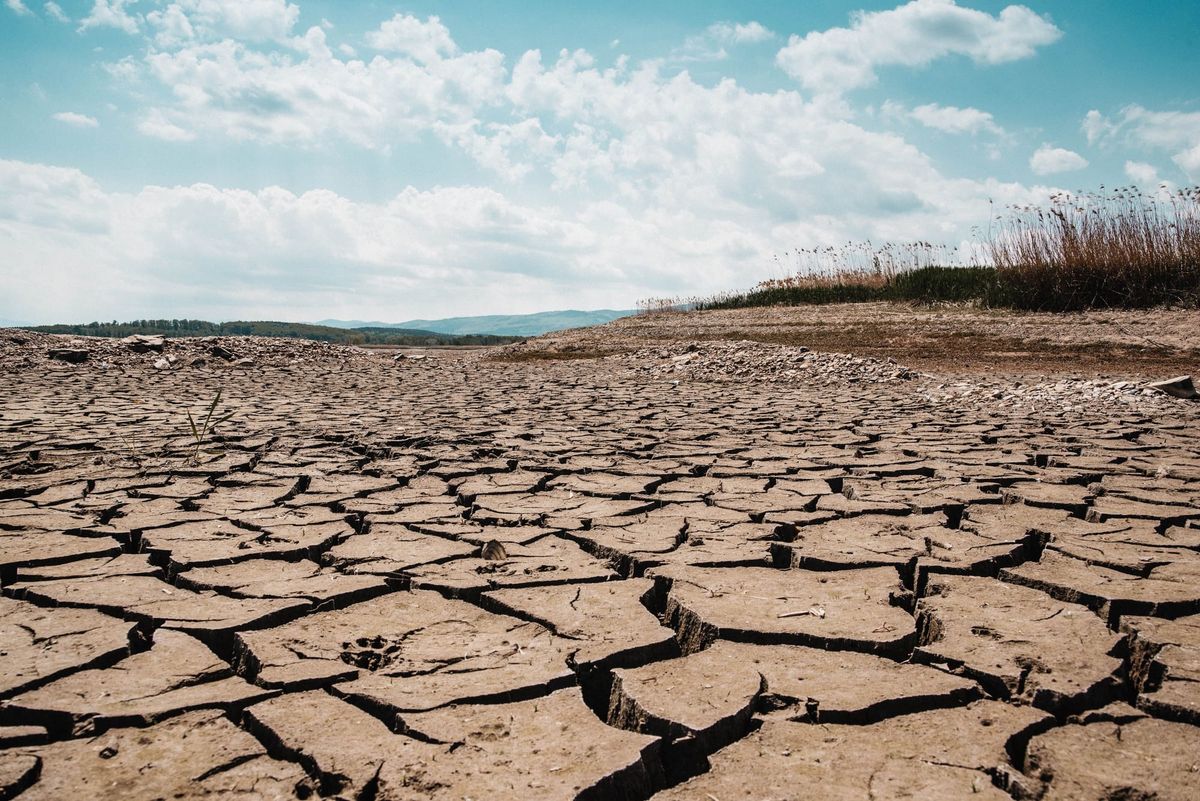
The consequences are already visible. Indonesia is facing severe wildfires and extreme dryness, with authorities warning that conditions could worsen as El Niño peaks this month. India is experiencing one of its weakest monsoon seasons in nearly two decades, threatening crops and water supplies, while Peru has warned that more than a million people could be exposed to flooding and other El Niño-related hazards.
El Niño can also affect the global economy. Reduced rainfall can hurt agricultural production in Asia and Africa, while excessive rain can damage crops and infrastructure elsewhere. Changes in ocean temperatures can disrupt fisheries, raise food prices and influence energy demand. Strong El Niño years also tend to push global temperatures higher, particularly when combined with the longer-term effects of climate change.
Its influence on storms is more complicated. El Niño generally suppresses Atlantic hurricane activity by increasing upper-level wind shear, while favoring more tropical cyclone activity in parts of the Pacific. NOAA has highlighted El Niño as an important factor shaping the 2026 Atlantic hurricane season.
The event is expected to remain an important driver of global weather through the coming months. The biggest effects will vary sharply by region, but with El Niño now strengthening near its peak, the world is entering the period when its consequences are likely to become most visible.