AI Stocks Rebound After Trillion-Dollar Rout, but Wall Street Ends Its Worst Week in Over a Year
AI stocks rebounded on Friday after a historic selloff erased nearly $3 trillion from Wall Street, with AMD surging around 11%, Nvidia gaining nearly 3% and semiconductor stocks recovering 4.2%.
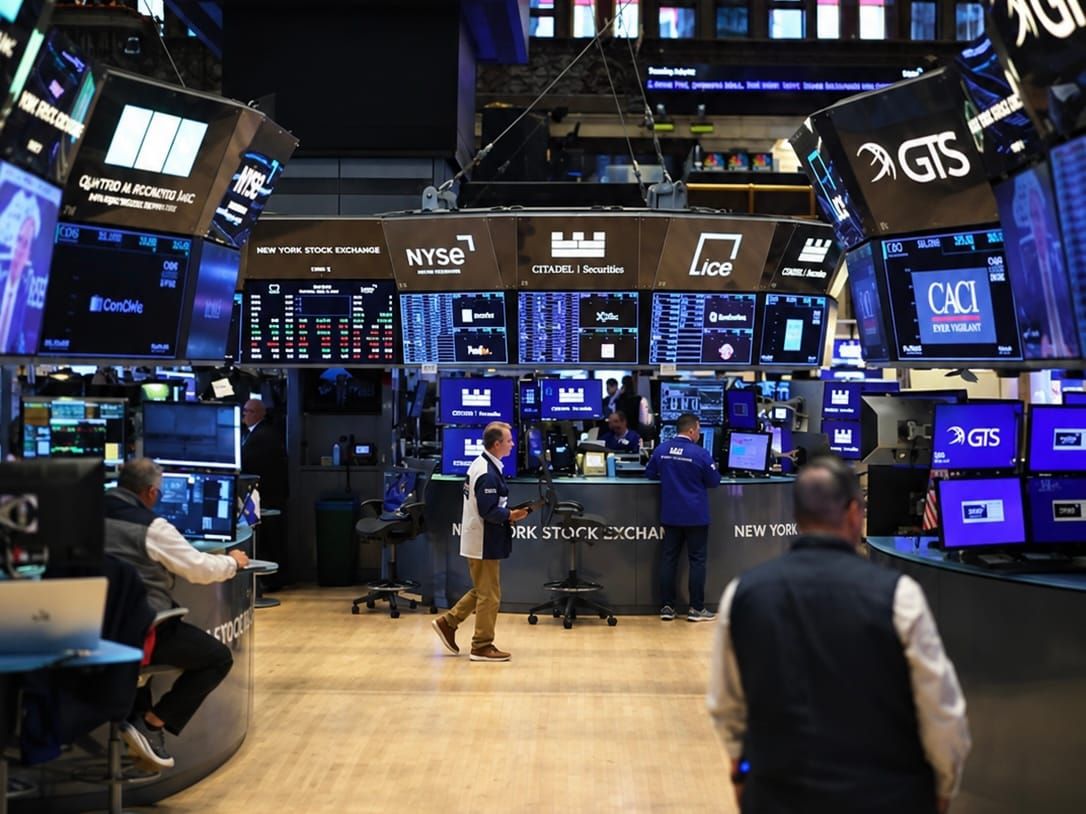
Technology stocks recovered some of their losses on Friday following a historic AI-driven selloff, but the rebound failed to prevent Wall Street from recording its worst weekly performance in more than a year.
Wall Street staged a partial recovery on Friday, November 6, as investors returned to battered artificial intelligence and semiconductor stocks following a historic selloff that wiped nearly $3 trillion from the market value of S&P 500 companies the previous day.
The technology-heavy Nasdaq Composite rose 1.1%, while the S&P 500 gained 0.32%. The Dow Jones Industrial Average moved in the opposite direction, declining 0.46%.
Despite Friday's rebound, the S&P 500 finished the week down 2.7%, its worst weekly performance in more than a year. The Nasdaq lost 3.4%, extending its losing streak to four consecutive weeks and remaining more than 10% below its recent record high.
Wall Street's Turbulent Week
U.S. STOCK MARKET PERFORMANCE — WEEK ENDING NOVEMBER 6
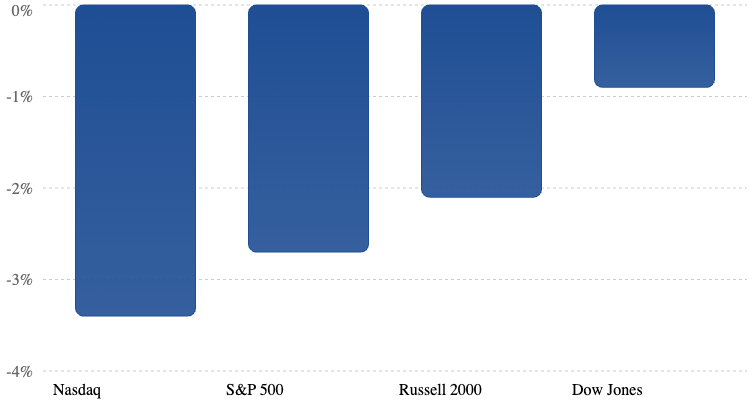
Weekly closing performance, November 6, 2026.
The rebound followed Thursday's dramatic collapse, when the Nasdaq plunged 5.52% and the S&P 500 fell 4.36%, marking their sharpest single-day declines since April 2025.
The losses came just one day after investors had initially welcomed the Democrats' sweeping midterm election victories, which ended Republican control of Congress.
Thursday's selloff reflected growing concerns that Democratic lawmakers could introduce stricter oversight of artificial intelligence, particularly restrictions on the construction of energy-intensive data centers.
Investors also questioned whether the enormous sums being spent on AI infrastructure would generate sufficient returns to justify elevated technology stock valuations.
Nvidia, AMD and Chipmakers Lead the Recovery
Friday's rebound was driven largely by semiconductor manufacturers, many of which had suffered double-digit losses during Thursday's rout.
The Philadelphia Semiconductor Index gained 4.2%, recovering part of its previous decline.
Nvidia rose approximately 2.8%, while AMD surged around 11%. Other major chipmakers, including Intel and Micron Technology, recorded gains ranging from approximately 5% to 11%.
The recovery extended to companies involved in AI infrastructure. Lam Research climbed 8.2%, while data-center operator IREN surged roughly 20% following stronger-than-expected earnings and announcements of new contracts.
However, not every technology company benefited. Software developer Atlassian fell approximately 16% following its quarterly results.
The mixed performance suggested that investors were selectively returning to companies whose valuations had fallen sharply, rather than embracing a broad-based recovery across the entire technology sector.
Democrats' Victory Reshapes AI Investment Expectations
The political backdrop remains central to the market's uncertainty.
Democrats' victories in several states hosting major data-center projects have intensified concerns that new restrictions could slow the construction of AI infrastructure.
These developments could affect semiconductor manufacturers and smaller data-center developers that depend on continued expansion.
Established technology giants such as Microsoft, Amazon, Alphabet and Meta face a more complicated outlook.
Stricter infrastructure requirements could reduce their ability to expand computing capacity, but slower construction could also ease capital expenditure pressures and increase the value of existing data centers.
No nationwide restriction on AI data-center construction has been enacted, meaning the market is reacting primarily to expectations of future policy changes.
The election's longer-term consequences will depend on the legislation Democrats pursue, the Trump administration's response and whether technology companies maintain their ambitious investment plans.
Strong Jobs Report Complicates the Outlook
Friday's rebound coincided with stronger-than-expected US employment figures.
The economy added approximately 165,000 jobs in October, substantially exceeding economists' forecasts of 65,000, while the unemployment rate declined to 4.1%.
The figures offered reassurance about the resilience of the American economy, but also raised concerns that the Federal Reserve may need to maintain higher interest rates.
Following the report, market expectations of a December interest-rate increase rose to approximately 78%, according to Reuters.
Higher borrowing costs could create additional pressure for AI infrastructure companies that depend on debt to finance expansion, while making elevated technology stock valuations more difficult to justify.
What Comes Next for Wall Street?
Friday's recovery indicates that investor confidence in the long-term AI industry has not disappeared.
Demand for advanced chips, computing infrastructure and AI services remains substantial, while several major semiconductor manufacturers continue reporting strong financial results.
Nevertheless, the market faces three significant sources of uncertainty: potential AI regulation under a Democratic Congress, the sustainability of technology companies' massive infrastructure spending, and the possibility of higher interest rates.
Analysts remain divided over whether the selloff represents a temporary correction or the beginning of a more prolonged adjustment in technology valuations.
The Nasdaq's fourth consecutive weekly decline suggests that Friday's rebound alone is insufficient to establish a sustained recovery.
The AI boom remains a powerful force behind Wall Street's growth, but this week's turmoil has exposed how vulnerable the market has become to changes in regulation, borrowing costs and investor confidence in future profits.