Lebanon Investigates Six Iranian-Indian Cancer Drugs Over Suspected Quality and Effectiveness Problems
Lebanon is investigating six Iranian-Indian cancer medicines after patients raised concerns about their quality and effectiveness. Samples have been sent to France for laboratory testing, while prosecutors examine how the drugs were licensed, imported and sold.
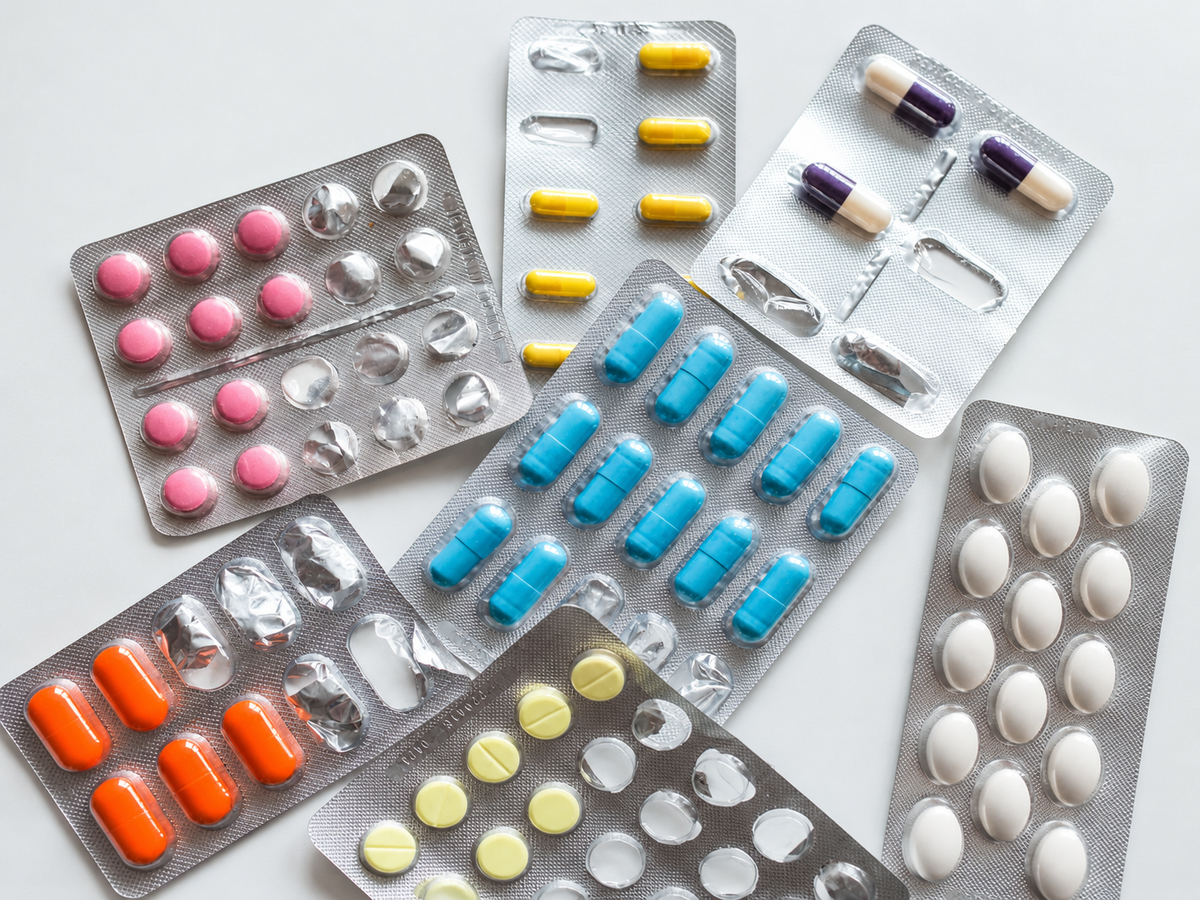
Lebanon has opened a judicial investigation into six cancer medicines of Iranian-Indian origin over concerns that they may be substandard, ineffective or potentially counterfeit. The case emerged after several cancer patients reportedly complained to their doctors about problems with the medicines, prompting Health Minister Rakan Nasreddine to refer the matter to the Public Prosecutor’s Office.
The drugs were imported into Lebanon by a local pharmaceutical company and are understood to be generic oncology treatments. Their names have not yet been publicly disclosed, which is important because the investigation is still ongoing and authorities have not formally concluded that all six products are counterfeit.
The Ministry of Public Health has now sent samples of the six medicines to France for laboratory testing. Once the results return, Court of Cassation Public Prosecutor Judge Ahmad Rami al-Hajj is expected to broaden the investigation and determine whether the medicines failed required quality standards, whether their composition matches what was declared, and who may bear responsibility for their import and distribution.
Lebanese media reports have alleged that the company involved made more than $40 million from the medicines and that some of the drugs entered the market under exceptional import approvals granted several years ago. Those claims remain allegations under investigation and have not yet been established by a final judicial finding.
The case is especially serious because oncology drugs depend on precise formulation, dosage and manufacturing standards. A medicine that contains the wrong concentration, deteriorates during storage, or lacks the expected active ingredient can leave a patient effectively undertreated even while appearing to receive therapy.
Lebanon’s Health Ministry maintains an official registry for approved pharmaceutical products and states that imported medicines must pass through its regulatory system. The current case is therefore likely to focus not only on the products themselves, but also on how they were licensed, tested, imported and monitored after entering the Lebanese market.
For now, the key point is that six Iranian-Indian cancer drugs are under active investigation, but the laboratory results have not yet been released. Until those results are available, describing them definitively as “fake” would go beyond what authorities have established.