Lebanon Is Trying Again for an IMF Deal After Years of Stalled Reform
Lebanon is making another push for an IMF agreement, more than four years after its original $3 billion deal stalled because key reforms were never completed.
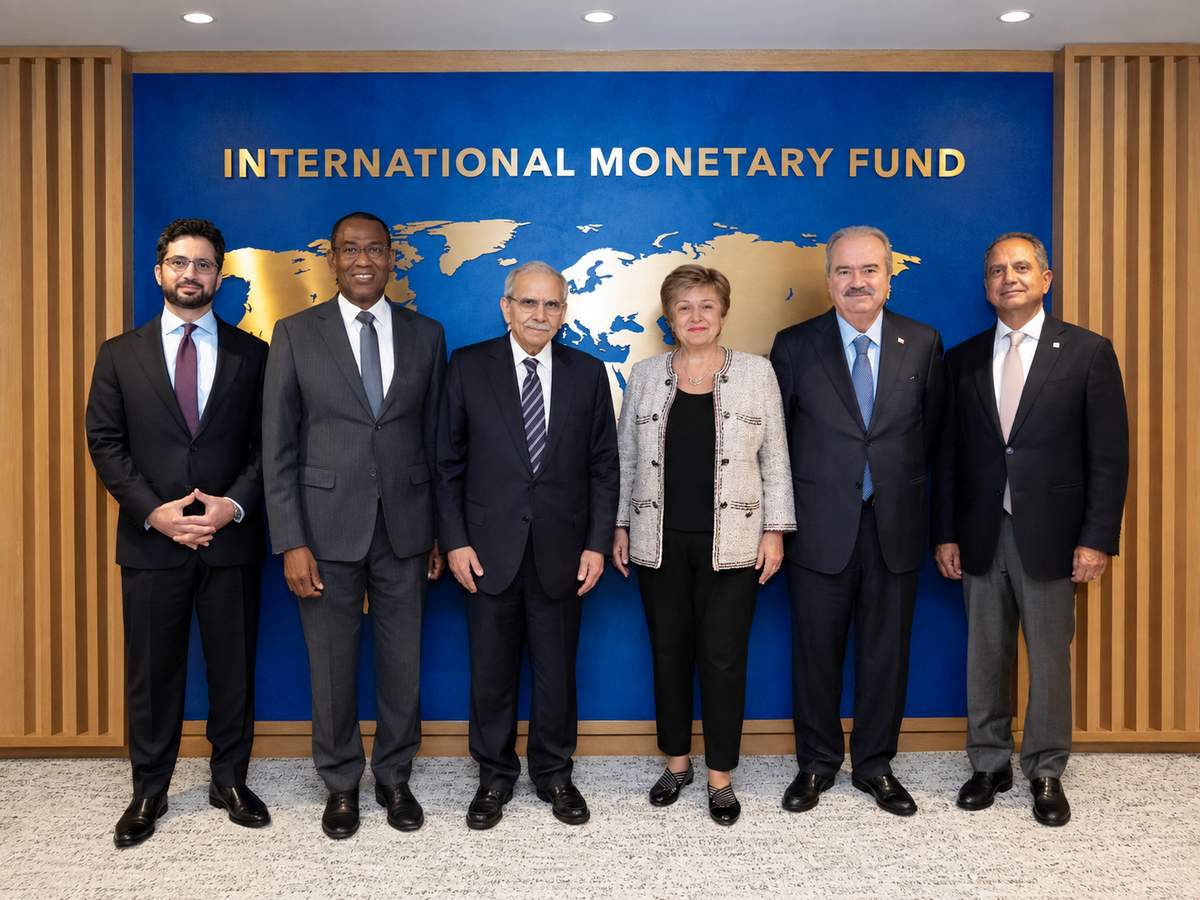
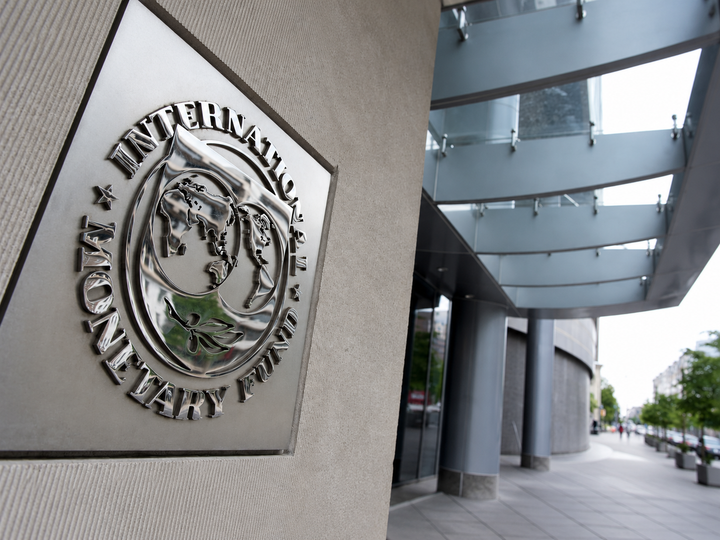
Lebanon is once again trying to secure an agreement with the International Monetary Fund, more than four years after reaching a preliminary deal that was never completed.
Finance Minister Yassine Jaber said Lebanon is seeking a new staff-level agreement with the IMF as the government tries to revive a reform process that has repeatedly stalled since the country’s financial collapse began in 2019.
The latest push comes after several months of renewed negotiations and some movement on reforms that had remained blocked for years.
Most notably, Parliament approved amendments to Lebanon’s Bank Resolution Law in August, creating a clearer framework for restructuring or closing insolvent banks. The IMF welcomed the changes as a significant step toward dealing with a banking sector that has effectively remained frozen since the crisis began.
But the hardest issue remains unresolved.
Lebanon still has to decide how the enormous losses accumulated across the financial system will ultimately be distributed.
Estimates commonly place those losses at around $70 billion, spread across the state, Banque du Liban, commercial banks and depositors.
That question has been at the center of Lebanon’s economic crisis for nearly seven years.
When banks imposed informal capital controls in 2019, depositors lost normal access to tens of billions of dollars held in the financial system. Since then, withdrawals have been restricted, deposits have effectively been subject to different exchange rates, and Lebanon has operated largely without a functioning banking model capable of providing normal credit to households and businesses.
Successive governments have proposed different ways of dealing with the losses, but political resistance has repeatedly delayed a final settlement.
The IMF has consistently argued that those losses must be formally recognized and allocated rather than indefinitely hidden or shifted through accounting mechanisms.
The current government is therefore working on what is known as the Financial Stabilization and Deposits Recovery Law.
The legislation is intended to determine how the losses are shared and how depositors may gradually recover access to their funds.
During its latest mission to Beirut, from September 15 to 18, the IMF said additional changes were still needed to bring the draft in line with international standards.
One of its central principles is that shareholders and junior creditors should absorb losses before depositors are asked to bear them. The Fund has also stressed that any repayment mechanism must be realistic enough to preserve the viability of the banking system and avoid placing an unsustainable burden on the state.
This is where negotiations become particularly difficult.
Protecting depositors requires finding resources to repay them.
But Lebanon’s government has limited fiscal capacity, Banque du Liban has already accumulated substantial losses, and many commercial banks would not remain viable if forced to absorb the entire gap immediately.
Any solution therefore creates winners and losers.
That has made financial-sector restructuring not only an economic question, but one of the most politically sensitive issues in Lebanon.
The country has been here before.
On April 7, 2022, Lebanon reached a staff-level agreement with the IMF for a four-year Extended Fund Facility worth roughly $3 billion.
The deal was conditional on several reforms, including restructuring the banking sector, reforming bank secrecy, addressing government finances and developing a credible strategy for dealing with financial-sector losses.
Most of those measures were either delayed or only partially implemented.
The agreement therefore never reached final approval by the IMF Executive Board, and the funding was never released.
The renewed effort is effectively an attempt to start again.
Jaber has said Lebanon hopes to reach a fresh staff-level agreement and eventually move toward a full IMF-supported program.
That would be significant for reasons extending well beyond the money directly provided by the Fund.
An IMF agreement is widely viewed as a gateway to broader international support.
Foreign governments, development institutions and investors have repeatedly indicated that substantial financial assistance to Lebanon would become easier once the country adopts a credible economic reform program and demonstrates that its banking and public-finance problems are being addressed.
The need for outside support has also grown.
Lebanon now faces major reconstruction requirements alongside the unresolved legacy of the 2019 financial collapse.
The IMF said in September that regional conflict had again taken a heavy toll on economic activity and living conditions, with the economy expected to contract significantly in 2026 and inflation remaining in double digits.
The Fund has therefore urged Lebanon to maintain fiscal discipline while creating space for reconstruction, infrastructure and social protection.
That creates another difficult balancing act.
Public-sector workers are demanding higher salaries and pensions after years of lost purchasing power. Reconstruction requires major spending. Public services remain weak.
But Lebanon has little room to borrow and cannot simply return to the large deficits that helped create many of the vulnerabilities that existed before the crisis.
The IMF has consequently cautioned against additional salary or pension increases unless they are matched by sustainable revenues.
It has also called for a credible medium-term fiscal framework, improved tax collection and a more sustainable public-debt strategy.
There are signs of progress.
The banking-resolution framework has moved forward. Discussions with the IMF are active. The government is developing a medium-term fiscal plan, and the Fund has acknowledged that Lebanon has preserved a degree of monetary and fiscal stability despite extremely difficult circumstances.
But the central test remains the same one that blocked the 2022 agreement.
Lebanon must decide how the financial collapse is ultimately paid for.
Until Parliament adopts a credible framework for distributing the losses and restoring the banking system, negotiations with the IMF can only go so far.
After years of paralysis, Lebanon is once again approaching the possibility of an IMF agreement.
Whether this attempt succeeds will depend less on another round of negotiations in Washington than on whether Lebanon can finally make the decisions it has postponed since 2019.