Qatar Announces Major Electricity Investment in Lebanon
Qatar has announced plans to finance, build and operate a major electricity project in Lebanon without requiring upfront investment from the Lebanese Treasury. QatarEnergy and TotalEnergies are also expected to develop a solar power plant as an initial project.
Qatar has moved from discussing Lebanon’s electricity crisis to putting forward a concrete investment framework.
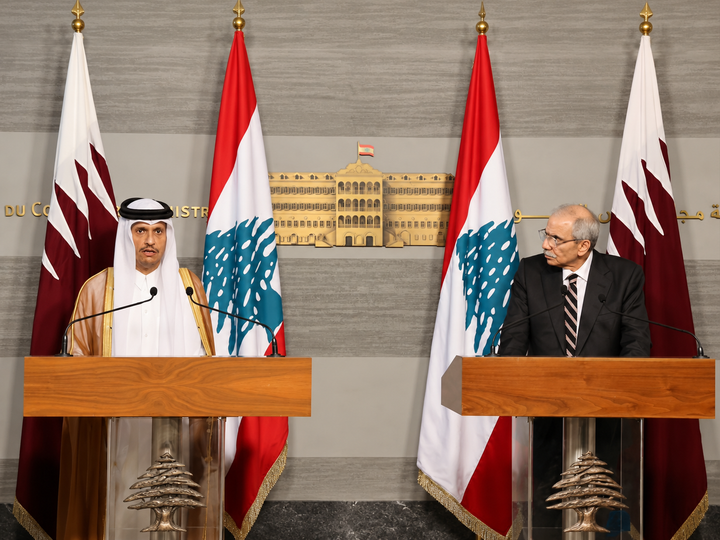
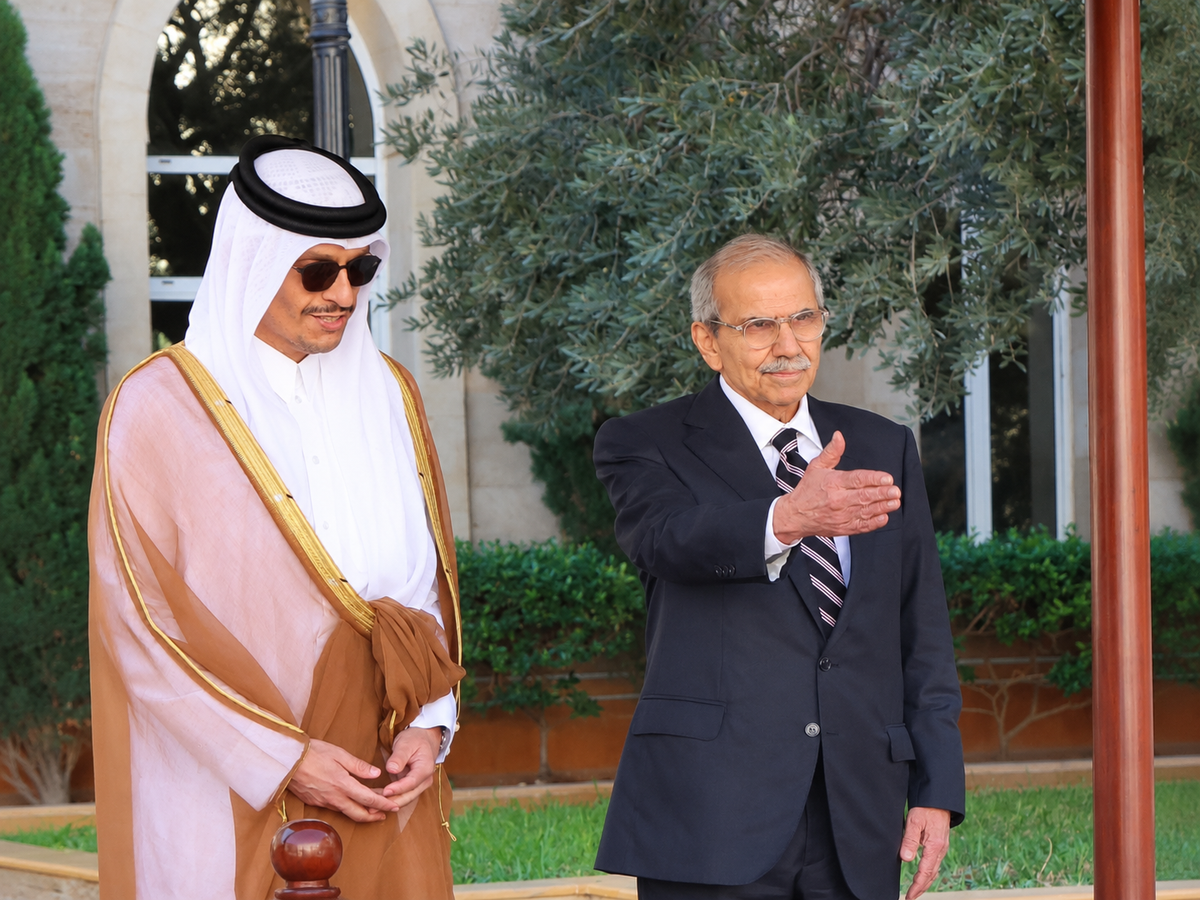
During a visit to Beirut, Qatari Prime Minister Sheikh Mohammed bin Abdulrahman Al Thani announced that Doha will finance, implement and operate a major electricity project in Lebanon under a build, operate and transfer model, meaning the Lebanese Treasury will not have to provide the upfront investment.
Prime Minister Nawaf Salam said the project is intended to rehabilitate and modernize Lebanon’s electricity generation infrastructure, covering multiple energy sources and the infrastructure needed to support them.
The objective is simple: more reliable electricity at a lower cost.
That alone would be a major development for a country that has spent decades failing to provide continuous electricity.
But Qatar’s plan appears to go further than another emergency fuel shipment.
QatarEnergy has reached an agreement with France’s TotalEnergies to jointly develop a solar power plant in Lebanon as an initial project, while Doha and Beirut work toward a broader investment program for the sector.
This is the distinction that matters.
Lebanon has repeatedly received temporary assistance to keep power plants running.
Fuel arrives.
Electricity hours improve.
The fuel runs out.
The crisis returns.
A long-term investment in generation infrastructure is fundamentally different.
Under a build, operate and transfer model, the investor finances and constructs the project, operates it for an agreed period and eventually transfers ownership.
That gives Lebanon the possibility of adding generation capacity without asking an already bankrupt state to fund the entire project from the beginning.
For Lebanon, that is potentially transformative.
Electricité du Liban still supplies only a few hours of electricity per day in many areas, forcing households and businesses to rely heavily on expensive private generators.
The result is one of the most absurd economic arrangements in the country.
Lebanese consumers effectively pay twice for electricity.
They pay the state.
Then they pay generator operators because the state does not provide enough power.
Businesses face the same problem at a much larger scale.
Factories, restaurants, supermarkets, hotels and offices all have to absorb private electricity costs that competitors in functioning economies simply do not face.
The recent surge in diesel prices has made that burden even worse.
Private generators were estimated to be supplying around half of Lebanon’s electricity at the beginning of this year, according to reporting by The National.
That is not an energy system.
It is an emergency arrangement that became permanent.
Qatar’s announcement offers a chance to begin replacing it.
But Lebanon should not celebrate yet.
No investment amount has been announced.
No final project capacity has been disclosed.
No construction timeline has been published.
No location for the solar project has been formally detailed.
And the agreement is not yet the same thing as a completed power plant delivering electricity to Lebanese homes.
Lebanon has been here before.
Dozens of electricity plans have been proposed over the years.
Governments have promised power plants, gas supplies, grid upgrades, regulatory reform and renewable energy.
Billions of dollars have been spent.
Yet electricity remained unreliable.
That history is why Qatar’s financing is only half the story.
The other half is whether the Lebanese state can finally stop sabotaging its own electricity sector.
Success will require more than new generation.
EDL needs better collection.
Technical and non-technical losses must fall.
Illegal connections must be addressed.
Political interference in the sector must be reduced.
The grid needs investment.
Tariffs must remain economically viable.
And private investors need confidence that contracts will actually be respected.
Lebanon has begun taking some overdue steps.
The Electricity Regulatory Authority has finally been established after more than two decades of delay, and the government says it wants to restructure EDL and attract private capital into generation.
Those reforms matter because no serious investor will pour money into a system that remains financially dysfunctional.
The Qatari project could therefore become an important test of whether this government can move from reform announcements to implementation.
There is also a broader economic dimension.
Reliable electricity would do far more than lower household generator bills.
It would reduce production costs across the economy.
Manufacturers could operate more competitively.
Restaurants and retailers would spend less on diesel.
Hotels could lower operating costs.
Technology companies would face fewer infrastructure problems.
Investment would become more attractive.
Electricity is not merely a public service.
It is economic infrastructure.
Lebanon cannot seriously talk about attracting foreign investment while companies still have to generate much of their own power.
That is why the Qatari announcement could become one of the most important economic developments of the Salam government if it is actually executed.
It also puts additional pressure on Beirut.
For years, Lebanese politicians could argue that electricity reform was impossible because the country lacked financing.
That excuse is becoming weaker.
Qatar is offering financing.
QatarEnergy is bringing technical involvement.
TotalEnergies is reportedly participating.
The project does not require an upfront Treasury investment.
If Lebanon still cannot make this work, the problem will no longer be a lack of money.
It will be the state itself.
Qatar has opened the door.
Now Lebanon has to prove it can finally keep the lights on.