South Korea Unveils Record $616 Billion Budget With $16 Billion AI Investment Push
South Korea has proposed a record $616 billion budget for 2027, including nearly $16 billion for artificial intelligence, semiconductors, robotics and AI data centers, as the government seeks to strengthen its position in the global technology race.
South Korea is preparing its largest government budget in history, with President Lee Jae Myung calling for a record 820.9 trillion won ($616 billion) spending plan for 2027, including nearly $16 billion dedicated to artificial intelligence and major technology initiatives.
Speaking before the National Assembly on Monday, Lee urged lawmakers to approve the proposal, emphasizing the need to strengthen the country's technological competitiveness and sustain economic growth amid intensifying global competition over artificial intelligence.
The proposed budget represents a 12.8% increase over 2026, marking the largest annual spending increase on record. The expansion reflects the government's decision to channel growing tax revenues from South Korea's booming semiconductor industry into strategic investments designed to secure its long-term economic position.
At the center of the spending plan is a 21.3 trillion won ($16 billion) allocation for AI and three major technological initiatives: semiconductor manufacturing, physical AI and artificial intelligence data centers. The investment would nearly double current spending in these areas.
Physical AI, which integrates artificial intelligence into machines such as robots and autonomous industrial systems, has emerged as a major priority as governments and technology companies seek to expand AI applications beyond software.
The government also plans to invest approximately 4.7 trillion won in advanced AI development, including efforts to build domestically developed models capable of competing with leading international systems. Another 13.8 trillion won will support ten strategic technology sectors considered essential to future economic growth.
South Korea's push is closely linked to the rapid expansion of its semiconductor industry. Strong global demand for advanced memory chips used in AI infrastructure has benefited major domestic manufacturers, including Samsung Electronics and SK Hynix, strengthening exports and generating additional government revenue.
Exports reached approximately $930 billion during the first ten months of 2026, placing the country within reach of the $1 trillion annual export milestone, according to figures cited by Reuters.
Beyond technology, the proposed budget includes a major investment mechanism intended to support broader economic development. A Future Response Fund will direct additional tax revenues toward emerging industries, education, regional development and younger generations.
The government argues that the initiative will help ensure economic gains are distributed more widely, addressing concerns that the benefits of the semiconductor and AI boom have not reached all sectors of society.
Lee also highlighted plans to improve the country's fiscal position despite the substantial spending increase, projecting a reduction in the fiscal deficit and a decline in the public debt-to-GDP ratio to approximately 48.3%.
However, the proposed budget must still receive parliamentary approval, with lawmakers expected to review its spending priorities and fiscal implications ahead of the December 2 deadline.
The announcement reflects South Korea's ambition to become a leading force in the global AI economy, leveraging its semiconductor manufacturing dominance to expand into advanced computing, robotics and next-generation technologies.
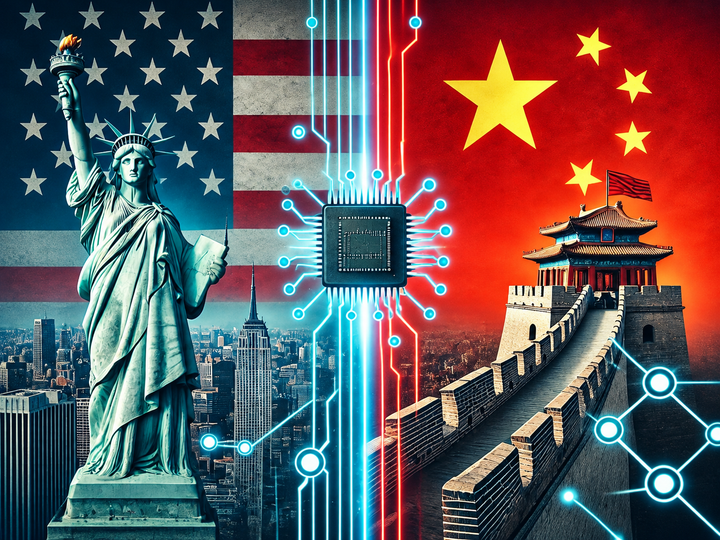
As competition intensifies between the United States, China and other technological powers, Seoul's unprecedented investment represents a broader strategic effort to transform the country from a critical supplier of AI hardware into a major developer of artificial intelligence itself.