Will the Fed Hike Rates in September?
The Federal Reserve could raise interest rates again in September after stronger-than-expected U.S. job growth revived concerns that the economy remains too strong for inflation to fall quickly.
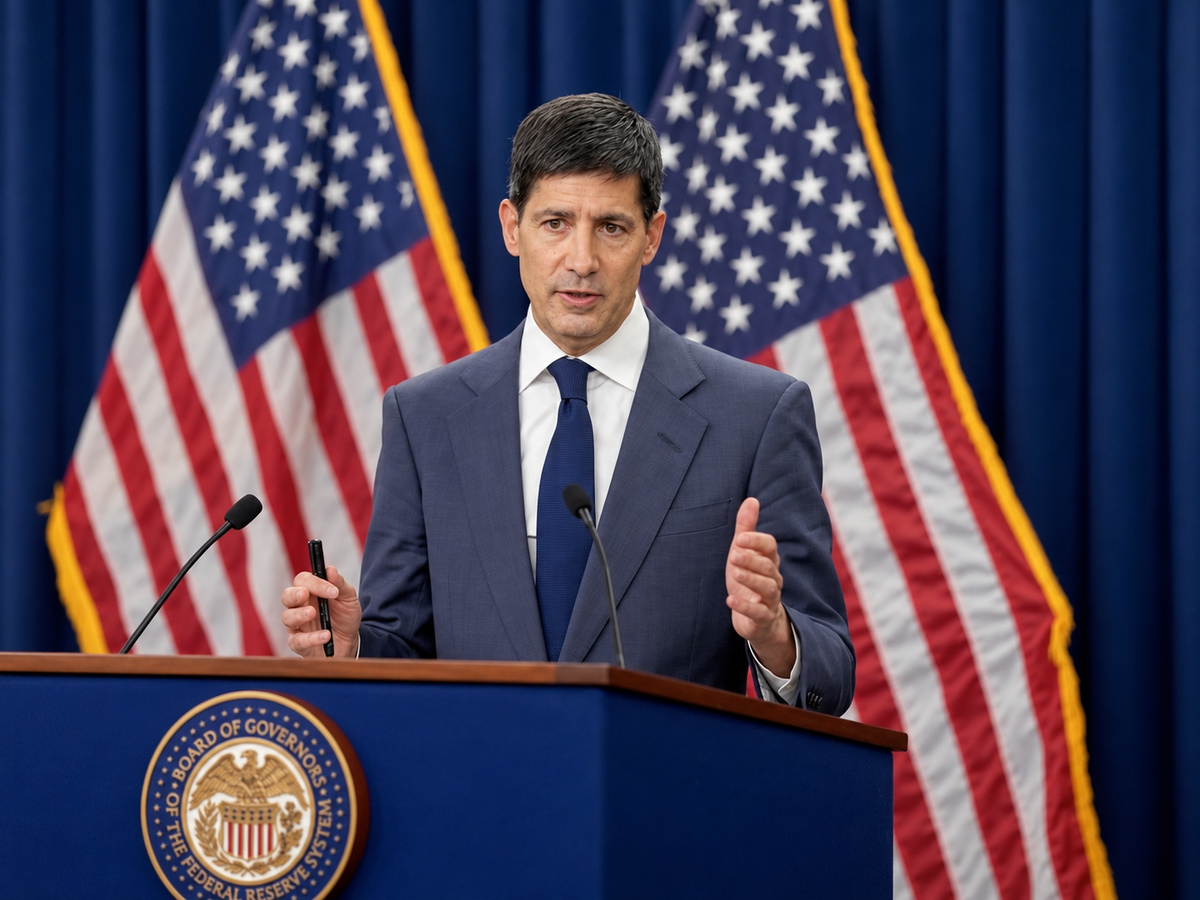
For much of this year, the question surrounding the Federal Reserve was when it might begin cutting interest rates. Now, after a stronger-than-expected U.S. jobs report and renewed inflation concerns, markets are seriously considering the opposite possibility: the Fed could raise rates at its September 15–16 meeting.
The shift has been rapid. U.S. employers added 162,000 jobs in August, well above expectations, while unemployment held at 4.1%. The labor force also expanded, suggesting the economy is still strong enough to absorb tighter monetary policy. Following the report, futures markets raised the probability of a September rate hike to roughly 60–62%.
That matters because the Fed’s biggest constraint on raising rates has been the risk of weakening an already slowing labor market. A stronger employment picture gives policymakers more room to focus on inflation instead.
Inflation remains the central problem. It is still running above the Fed’s 2% target, while higher energy prices linked to the Iran conflict are creating another source of upward pressure. Fed Chair Kevin Warsh recently said policymakers would still have “work to do” if they are not confident inflation is moving decisively back toward target, comments that pushed markets toward a more hawkish view of the Fed.
But a hike is far from guaranteed.
Fed Governor Christopher Waller has argued that policymakers should give disinflation more time to develop and has said he could support leaving rates unchanged this month if upcoming data confirms that price pressures are easing. Wage growth also moderated in August, with average hourly earnings rising 3.1% year-on-year, slightly below July’s pace, suggesting the labor market itself is not currently generating a major new inflation problem.
That makes next week’s inflation reports the decisive test.
Both the Consumer Price Index and Producer Price Index are due before the Fed meeting. A hotter-than-expected CPI reading would strengthen the argument for another 25-basis-point hike, while a softer report could quickly shift the committee toward holding rates steady. Investors are already treating those numbers as the likely deciding factor.
There is also an increasingly unusual political backdrop. President Donald Trump continues to publicly demand lower rates and has sharply criticized the Fed for keeping borrowing costs elevated. But stronger employment and persistent inflation give the central bank more justification to resist that pressure and maintain—or even tighten—policy.
Financial markets are already adjusting. Treasury yields have risen, the dollar strengthened and equities came under pressure after the August jobs report, reflecting expectations that borrowing costs could remain higher for longer. Citigroup has now pushed its forecast for the next Fed rate cut all the way into 2027, another sign of how dramatically expectations have changed.
So will the Fed hike?
For now, the balance is tilted slightly toward yes. The labor market is stronger than expected, inflation remains too high, and Warsh has made clear that the Fed is willing to tighten further if necessary. But with inflation data still to come, this remains one of the closest Fed decisions in months.
The September meeting could therefore become an important turning point: either the Fed confirms that the tightening cycle is not over, or it decides that inflation is cooling enough to wait.