Ali al-Taher Is Becoming the Focal Point of the Lebanon War
Ali al-Taher, a strategic ridge south of Nabatieh, is rapidly becoming one of the most important battlefields of the Lebanon war. Its elevation gives control over key routes across the south, while Israel says an extensive Hezbollah underground complex lies beneath it.
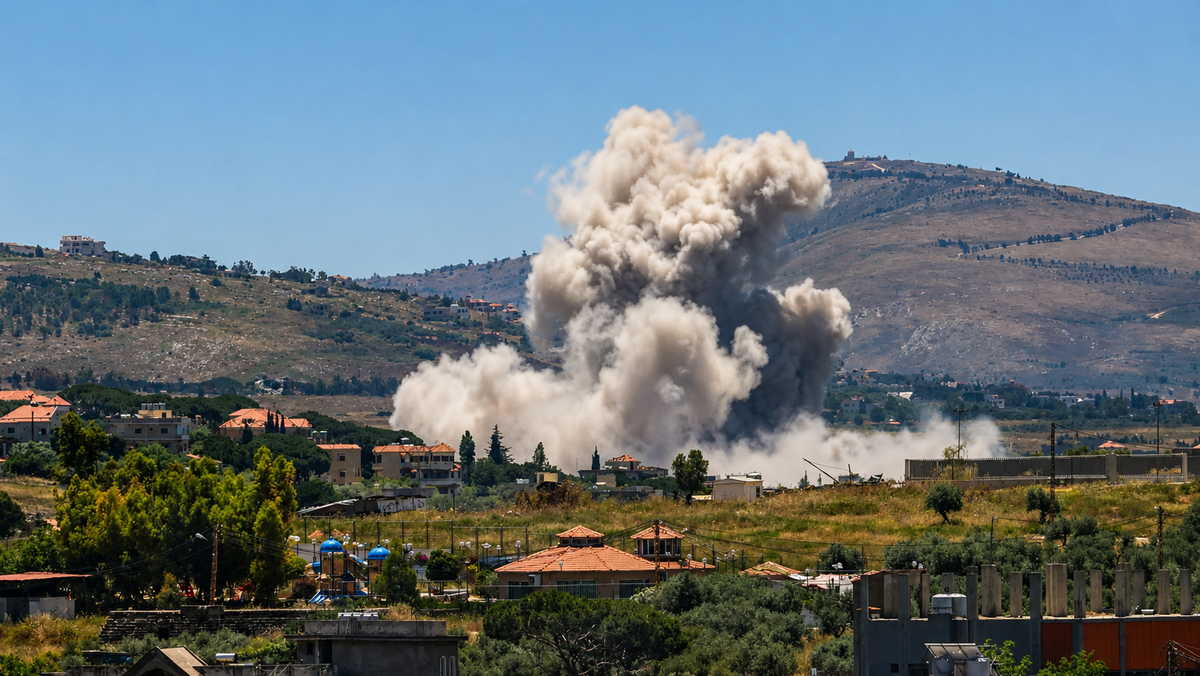
A relatively small ridge south of Nabatieh has emerged as one of the most important battlefields in the Israel-Hezbollah war. Ali al-Taher, a cluster of hills rising roughly 600 meters above sea level and around 15 kilometers from the Israeli border, overlooks large parts of southeastern Lebanon, including key roads connecting Nabatieh, Marjayoun and Bint Jbeil. Its commanding position has made control of the ridge strategically important to both sides.
What makes Ali al-Taher even more significant is what may lie beneath it. Israel says Hezbollah spent years developing an extensive underground military complex in the area, including command facilities, weapons storage and infrastructure used to support drone and short-range missile operations. Hezbollah has rejected Israeli claims that the ridge has been fully captured and maintains that its fighters continue to operate there.
Since fighting intensified earlier this year, Israel has repeatedly bombarded the ridge and attempted to tighten its control around it. The surrounding area has become increasingly isolated, with Israeli forces seeking to cut Hezbollah’s movement and supply routes while avoiding a costly direct assault on fortified underground positions. Analysts have suggested that Israel could instead pursue a prolonged siege aimed at forcing Hezbollah out over time.
For Hezbollah, losing Ali al-Taher would have consequences beyond one military position. The ridge sits between several important areas of southern Lebanon and offers observation over routes linking Hezbollah strongholds deeper inside the country with positions closer to the border. Its symbolic significance has also grown as the fighting has dragged on, turning the ridge into a test of whether Hezbollah can prevent Israel from expanding and consolidating its military presence northward.
The battle is increasingly connected to diplomacy as well. Ali al-Taher lies close to areas involved in stalled U.S.-brokered arrangements concerning Israeli withdrawal, Lebanese Army deployments and Hezbollah’s weapons. With those negotiations struggling to advance, the military contest over the ridge has become intertwined with the larger question of who will ultimately control southern Lebanon after the war.