Houthis Seize Yemen’s Port of Mocha as Oil Surges Toward $110
Yemen’s Houthis have seized the strategic port of Mocha and are advancing toward the Bab el-Mandeb Strait, giving them greater leverage over one of the world’s most important shipping routes.
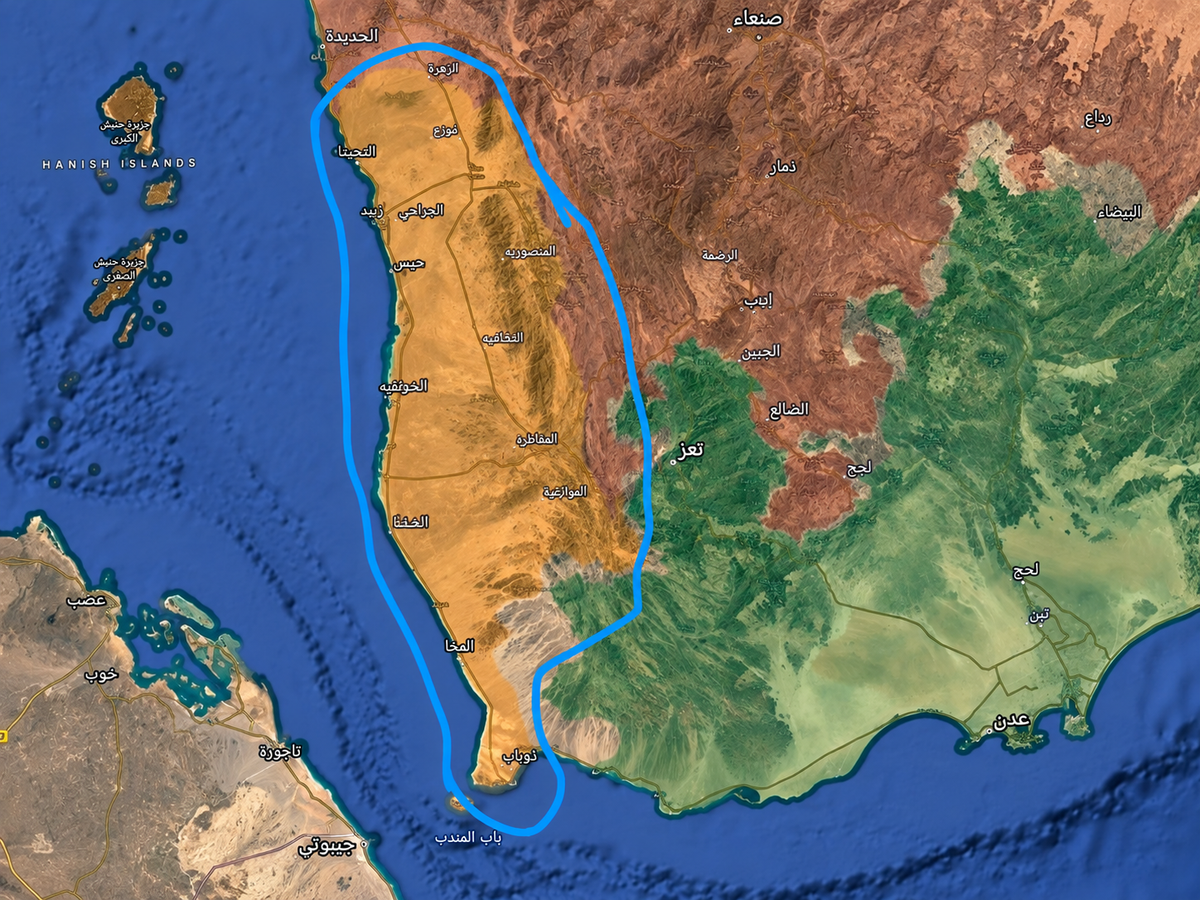
Yemen’s Houthis have seized the strategic Red Sea port city of Mocha after days of heavy fighting with forces aligned with Yemen’s internationally recognized government. The capture marks one of the group’s most important territorial gains in years and pushes Houthi control closer to the Bab el-Mandeb Strait, one of the world’s most important shipping chokepoints.
Mocha lies around 80 kilometers from Bab el-Mandeb, the narrow waterway connecting the Red Sea to the Gulf of Aden. Roughly 12% of global trade normally passes through the strait, making control of Yemen’s western coastline enormously important for international shipping and energy markets.
The Houthis are also advancing toward Dhubab and the Hanish Islands, positions that would give them even greater leverage over maritime traffic moving toward the Suez Canal. Their offensive has already forced government-aligned forces to withdraw south of Mocha after suffering heavy losses.
The timing is particularly significant because the Strait of Hormuz has already been heavily disrupted by the wider U.S.-Iran war. That means Bab el-Mandeb has become even more important as an alternative route for Gulf energy exports and global trade. If both chokepoints remain under sustained pressure, the world could face a much more serious supply shock.
Oil markets are already reacting. Brent crude surged above $109 a barrel, while WTI climbed above $103, as traders priced in the risk that the Houthis could disrupt another major energy corridor. The move has pushed oil to its highest levels in months and added to concerns over inflation and global growth.
The advance also deepens Saudi Arabia’s exposure. Riyadh relies heavily on Red Sea export routes whenever Hormuz becomes unreliable, and the Houthis have already launched missile and drone attacks on Saudi cities and energy infrastructure in recent days. Their control of Mocha gives them greater ability to threaten Saudi shipping as well as international vessels.
The broader strategic picture is increasingly clear: Iran and its allies now have potential leverage over both sides of the Arabian Peninsula. Iran can pressure shipping through Hormuz, while the Houthis can threaten Bab el-Mandeb from Yemen.
That combination explains why the fall of Mocha matters far beyond Yemen itself.
If the Houthis consolidate control over the Red Sea coast and push farther toward Bab el-Mandeb, the conflict could evolve from a Yemeni civil war into a direct threat to one of the most important arteries of the global economy.