Houthis Strike Saudi Cities as the Middle East War Expands Again
Yemen’s Houthis have launched coordinated attacks on Abha, Khamis Mushait, Jazan and Najran, injuring at least 73 people and disrupting operations at Saudi energy facilities.
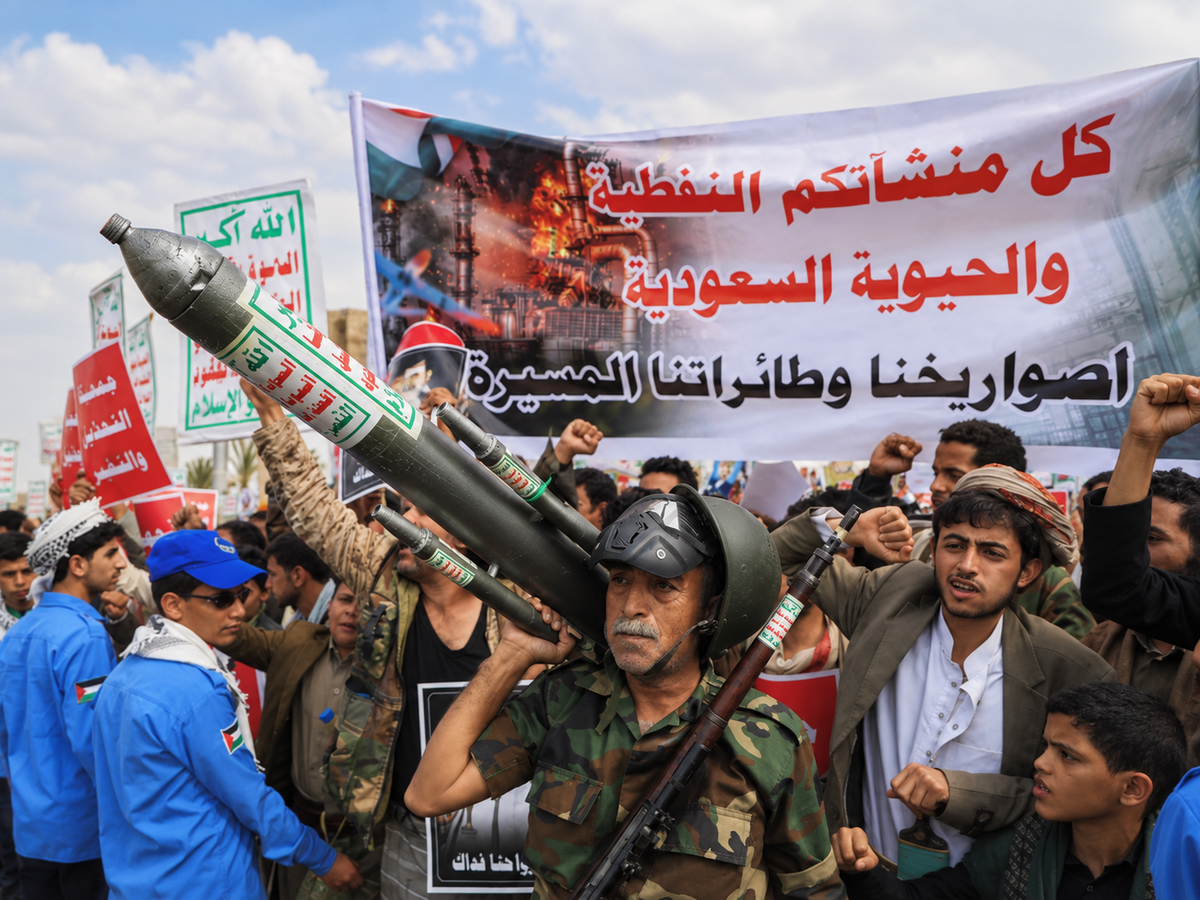
Yemen’s Iran-aligned Houthis launched a coordinated wave of attacks across southern Saudi Arabia this week, striking Abha, Khamis Mushait, Jazan and Najran and hitting several energy facilities. Saudi authorities said at least 73 people were injured, including women and children, while fires and operational disruptions were reported at some sites.
The attacks mark one of the most serious escalations between the Houthis and Saudi Arabia since the 2022 truce largely froze their direct conflict. For years, Riyadh had tried to reduce its military involvement in Yemen and pursue negotiations with the group. That restraint is now coming under growing pressure as the Houthis again target Saudi territory directly.
Houthi military spokesman Yahya Saree said the strikes were retaliation for Saudi attacks inside Yemen. Saudi Arabia, meanwhile, described the assault as a “dangerous escalation” and said it would respond firmly. The renewed confrontation risks reopening a front that both sides had spent years trying to contain.
What makes the latest attacks especially significant is their focus on energy infrastructure. Some facilities were forced to halt operations temporarily, while damage assessments continued. Saudi Arabia is the world’s largest crude exporter, meaning sustained attacks on its oil infrastructure would have consequences far beyond the kingdom itself.
Markets reacted quickly. Brent crude climbed toward $100 a barrel, as traders priced in the risk that the wider Middle East war could increasingly threaten both production facilities and shipping routes. The Saudi attacks are occurring at the same time as renewed U.S.-Iran strikes and reduced traffic through the Strait of Hormuz, multiplying concerns about global supply.
The Houthis also hold another source of leverage: the Bab el-Mandeb Strait. The group has spent years threatening shipping in the Red Sea, and Saudi exports through the Red Sea have already faced pressure from Houthi operations. That gives the group the ability to threaten Saudi energy flows from both land and sea.
The broader significance is that Yemen is once again being pulled directly into the regional war. The Houthis are no longer operating mainly as a local Yemeni force or even solely as a Red Sea threat. Their attacks on Saudi Arabia increasingly connect them to the larger confrontation involving Iran, the United States and Israel.
If Saudi Arabia responds with sustained strikes inside Yemen, the conflict could quickly revive one of the region’s most destructive wars while adding another front to an already expanding Middle East confrontation.