Iran’s Economy Is Beginning to Buckle Under Intensifying U.S. Pressure
Iran is showing growing signs of economic strain as U.S. sanctions and restrictions on oil exports begin to bite. Crude shipments have collapsed, the rial has fallen to record lows and inflation is running near 70%, while Tehran has created an “Economic War Headquarters” to manage the pressure.
Iran is increasingly signaling that the economic cost of its confrontation with the United States is becoming difficult to absorb. After months of sanctions, military pressure and restrictions on oil exports, Tehran has now created an “Economic War Headquarters” to manage the fallout, while senior officials have publicly acknowledged that the economy requires urgent intervention.
The biggest pressure point is oil. Iran’s crude exports have collapsed from roughly 1.7–2 million barrels per day before the latest escalation to around 220,000–260,000 barrels per day in August, according to shipping and industry estimates cited by Reuters. The U.S. naval blockade and tighter secondary sanctions have made it far harder for Tehran to move oil, collect payment and replenish foreign-currency reserves.
That matters because oil remains one of Iran’s main sources of hard currency. As export revenues fall, the government has fewer dollars available to stabilize the rial, pay for imports and finance the broader economy. The Iranian currency recently fell beyond 2 million rials to the dollar, while inflation surged to around 66% in July and is approaching 70% on some estimates. Food prices have risen even faster.
Tehran insists it still has enough reserves to manage the pressure. Central Bank Governor Abdolnaser Hemmati said Iran could inject up to $2 billion into the currency market if necessary and argued that the economy would not collapse. But the fact that officials are publicly defending reserve levels and announcing emergency economic measures is itself an indication of growing stress.
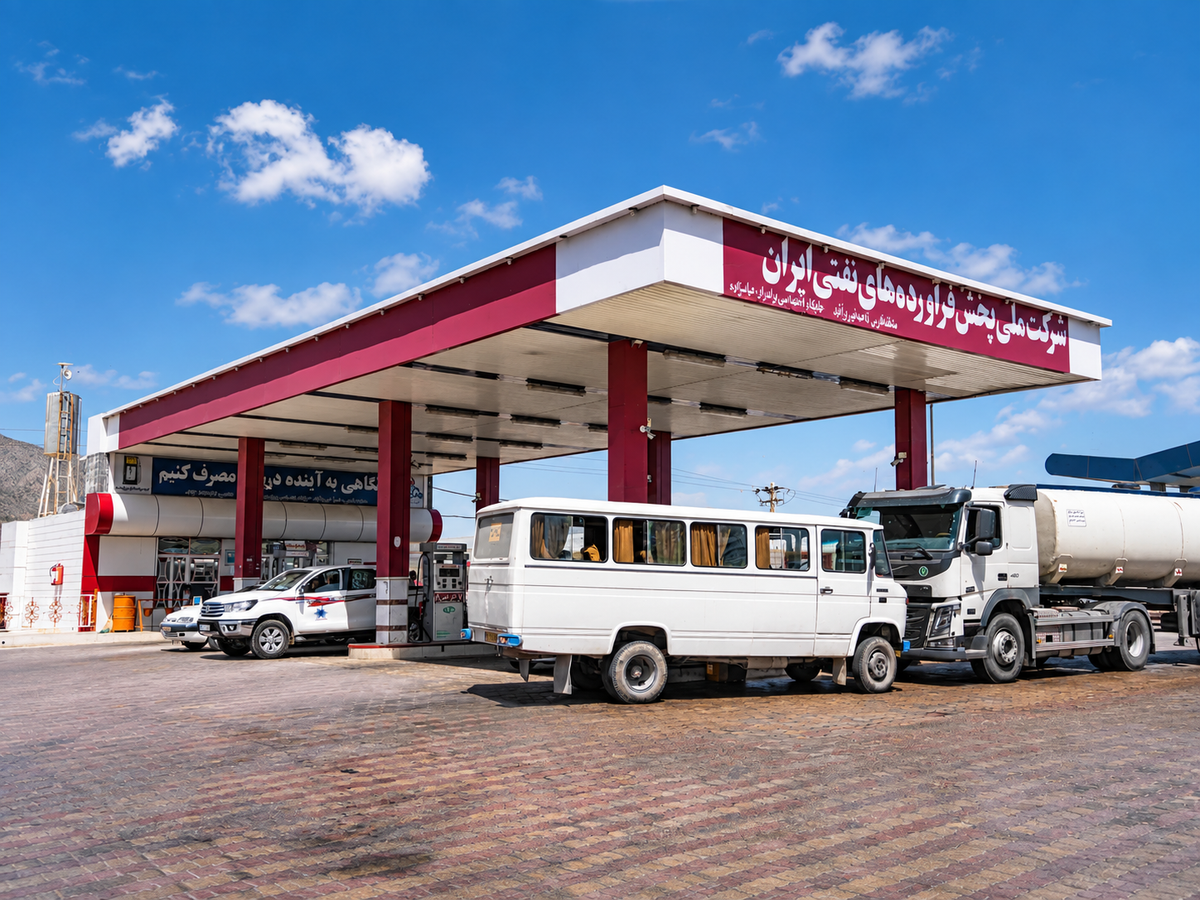
The strain is also beginning to reach ordinary consumers. Iran announced that gasoline prices for heavy users will rise from September 8, a politically sensitive move given that previous fuel-price increases helped trigger major protests in 2019. The government has kept subsidized quotas in place for most drivers, but the decision shows that maintaining some of the country’s costly subsidy system is becoming harder.
Imports are another vulnerability. Intensified financial sanctions, difficulties securing shipping and insurance, and reduced foreign-currency income are making it more expensive to bring essential goods into the country. Reuters has reported growing concerns about supplies of fuel and wheat, while the World Bank warns that disruptions to essential imports could further intensify inflation and food-security risks.
Washington appears to be deliberately targeting these pressure points. The Trump administration has expanded secondary sanctions beyond Iran itself, including action against a Turkish bank and subsidiaries accused of helping convert Iranian oil revenues into cash and gold. The strategy is aimed at making foreign banks and companies increasingly unwilling to facilitate Iranian trade, even through indirect channels.
The broader objective is political as much as economic. U.S. officials believe that depriving Iran of oil revenue and access to international finance will eventually force Tehran back toward negotiations from a weaker position. Iranian officials, meanwhile, remain publicly defiant and have warned of stronger military retaliation if pressure continues.
The risk for Tehran is domestic stability. Iran entered this phase already weakened by high inflation, unemployment, energy shortages and previous waves of unrest. A sharp further deterioration in living standards could revive protests and deepen pressure on a government that is simultaneously trying to sustain a military confrontation abroad.
For years, Iran became highly skilled at surviving sanctions through shadow fleets, intermediaries, barter networks and discounted oil sales to China. What appears different now is the combination of sanctions with a physical blockade and military pressure. Together, they are attacking both Iran’s ability to sell oil and its ability to move the money generated from those sales.
The central question is therefore becoming less about whether U.S. pressure is hurting Iran — it clearly is — and more about how much economic pain Tehran is willing to tolerate before it changes its political or military strategy.