Israeli Strikes in Lebanon's Beqaa Valley Renew Pressure on the Ceasefire
Israeli warplanes launched five strikes in Lebanon's Beqaa Valley on Thursday, targeting what Israel described as a Hezbollah missile production and weapons storage facility near Janta.
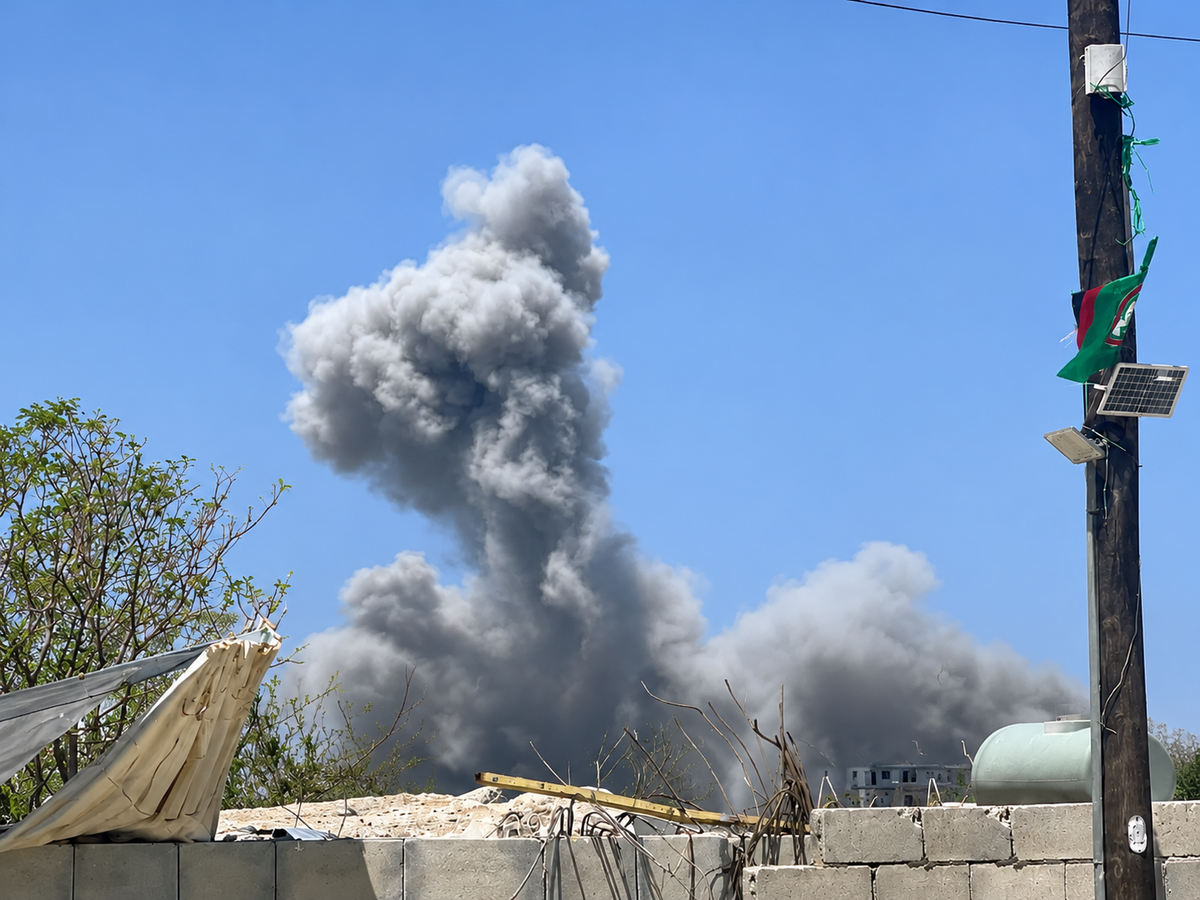
Israeli warplanes struck Hezbollah weapons facilities in eastern Lebanon as military operations continued across the south, raising concerns over the fragile ceasefire and the stalled agreement to restore Lebanese state authority.
Israeli warplanes launched a series of airstrikes across Lebanon's eastern Beqaa Valley on Thursday, November 19, targeting what Israel described as a Hezbollah missile production and weapons storage facility near the Syrian border.
Lebanon's National News Agency reported five strikes in the mountainous areas surrounding Janta, Yahfoufa, Shaara and Nabi Sheet, extending a week of Israeli military operations in eastern and southern Lebanon.
The Israeli military confirmed the operation, claiming that Hezbollah operatives had recently returned to an underground facility previously used to manufacture missiles and store weapons. Israeli aircraft reportedly targeted its entrances to prevent the site from being restored.
Israel Accuses Hezbollah of Rebuilding Its Arsenal
According to the Israeli military, the targeted facility had been struck several times during previous fighting but was again showing signs of activity.
Israel argued that Hezbollah's efforts to restore military infrastructure violated the existing ceasefire arrangements and threatened Israeli security.
The latest bombardment followed another Israeli strike on November 16 near Janta, which Israel said targeted a shipment of weapons transferred from Syria to Lebanon for Hezbollah.
The claims concerning the sites and weapons shipments have not been independently verified.
No casualties were immediately reported from Thursday's Beqaa strikes, according to the Associated Press.
The incidents nevertheless highlight Hezbollah's continued military presence and the persistent challenge facing the Lebanese government in implementing its commitment to bring all weapons under state authority.
Military Operations Continue in Southern Lebanon
The Beqaa bombardment coincided with further Israeli operations across southern Lebanon.
According to L'Orient Today, Israeli forces conducted airstrikes around Qantara, Tallousa and the area between Zawtar Sharqieh and Mayfadoun.
Israeli troops also entered parts of Kfar Shuba, conducted demolition operations and fired artillery across several border areas.
Additional activity was reported near Kfar Tibnit, Tiri and other villages where Israeli forces maintain a military presence. <Cite ref="turn363736search2"/>
The continued operations have complicated efforts to stabilize the border and allow displaced residents to return to their communities.
They also raise questions about the effectiveness of the existing ceasefire, which has substantially reduced fighting without ending Israeli military activity or resolving Hezbollah's armed status.
A Ceasefire Without a Political Settlement
The latest confrontation comes five months after the US-brokered June ceasefire reduced hostilities between Israel and Hezbollah.
A subsequent security framework envisaged Hezbollah's disarmament, a gradual Israeli withdrawal from southern Lebanon and the deployment of Lebanese Armed Forces to assume responsibility for security.
However, implementation has largely stalled.
Israel insists that Hezbollah must be prevented from rebuilding its military capabilities before a complete withdrawal can take place.
Hezbollah, meanwhile, refuses to surrender its weapons while Israeli forces remain on Lebanese territory.
The Lebanese government has repeatedly endorsed exclusive state control over weapons but continues facing political and operational obstacles to implementing that objective.
The result is a prolonged stalemate in which Israel continues military operations, Hezbollah retains an independent arsenal, and Lebanon's state institutions struggle to enforce a sustainable security arrangement.
Diplomatic Pressure Mounts as UNIFIL's Deadline Approaches
The strikes come just days after US Ambassador to the United Nations Mike Waltz visited Beirut to press Lebanese leaders on Hezbollah's disarmament and the implementation of the security agreement with Israel.
Washington has increasingly demanded measurable progress toward restoring Lebanese state sovereignty, arguing that the country cannot maintain two separate military forces.
Meanwhile, the United Nations Interim Force in Lebanon is approaching the December 31 termination of its mandate.
On November 19, the UN Security Council reaffirmed its support for UNIFIL but did not announce an agreement extending the mission or establishing a replacement.
The uncertainty surrounding the peacekeeping force adds another complication to negotiations already strained by military activity and disagreements over disarmament.
Lebanon Faces Another Test of State Authority
The latest strikes demonstrate how fragile Lebanon's security situation remains despite months of diplomatic engagement.
Israel's stated objective is to prevent Hezbollah from rebuilding its military capabilities. Yet continued strikes on Lebanese territory risk further escalation and complicate the government's efforts to establish effective sovereignty.
For Beirut, the central challenge remains securing an Israeli withdrawal while ensuring that Hezbollah can no longer independently determine whether Lebanon enters another war.
A ceasefire that leaves Hezbollah's arsenal intact, Israeli troops operating inside Lebanon and the government unable to enforce its decisions cannot provide lasting stability. Without meaningful progress on all three fronts, another major confrontation remains a serious possibility.