Trump, Xi and Putin Set for Historic Three-Way Talks as Global Powers Confront New Divisions
Donald Trump, Xi Jinping and Vladimir Putin are preparing for an unprecedented three-way summit in Shenzhen, China, with nuclear arms control, the wars in Iran and Ukraine, and global trade tensions dominating the agenda.
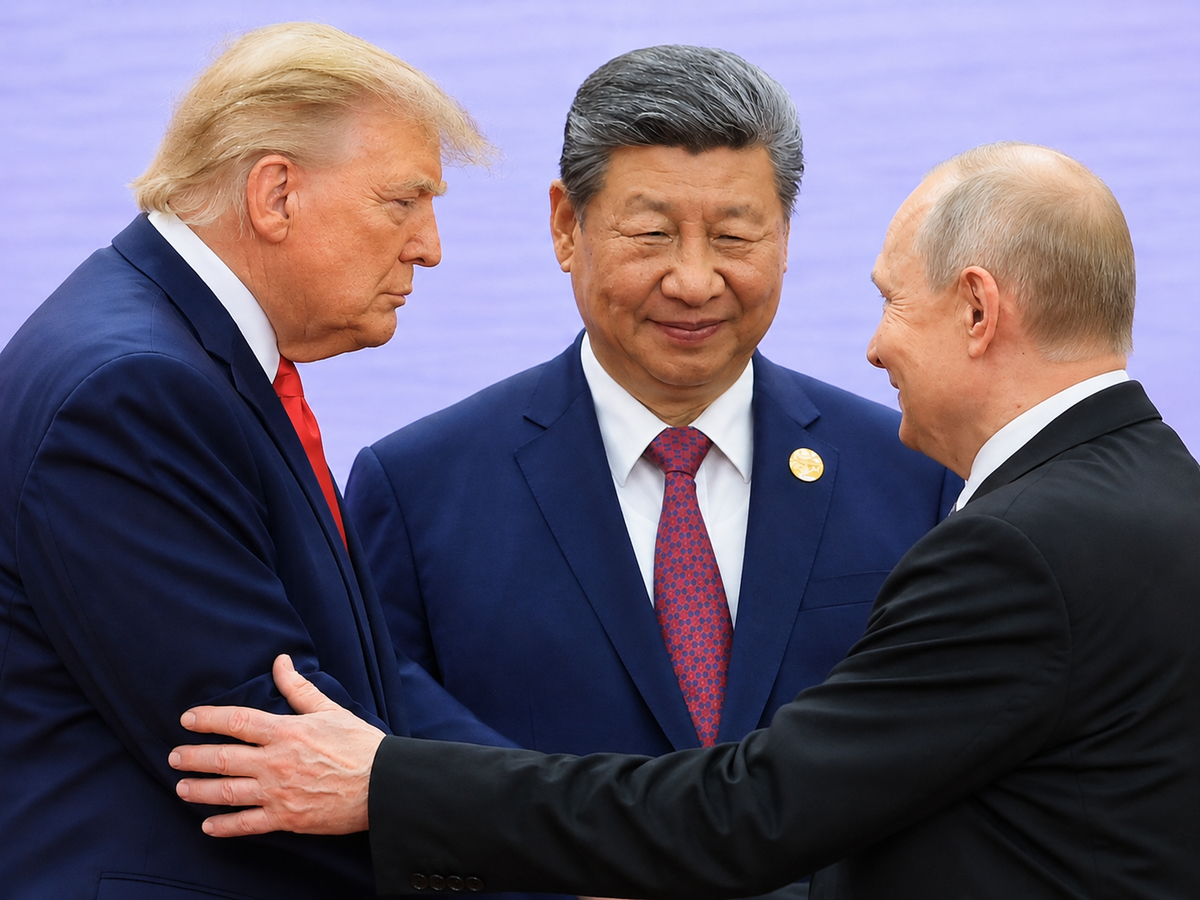
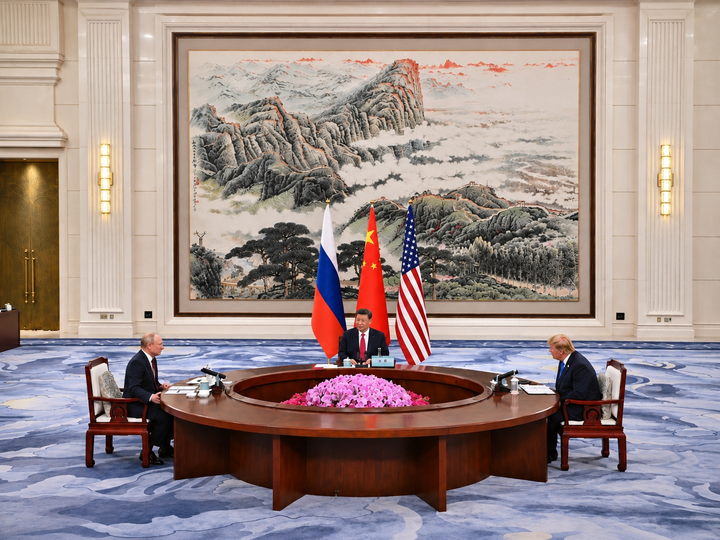
For the first time, the leaders of the United States, China and Russia are preparing to meet together in a formal summit, with nuclear weapons, the wars in Iran and Ukraine, and the future of global security at the center of competing agendas.
U.S. President Donald Trump, Chinese President Xi Jinping and Russian President Vladimir Putin are preparing for an unprecedented trilateral meeting in Shenzhen, China, on Thursday, November 19, in a diplomatic encounter that could influence the balance of power between the world's three leading military powers.
The talks are taking place on the sidelines of the Asia-Pacific Economic Cooperation (APEC) summit, where the three leaders appeared together at a welcoming ceremony on Wednesday.
Trump has already held separate meetings with Xi and Putin, discussing the war in Ukraine, energy security and bilateral relations. However, substantial disagreements remain over nuclear weapons, international trade and regional conflicts.
Nuclear Weapons Take Center Stage
Trump's principal objective is to begin negotiations on a new nuclear arms-control agreement involving all three countries.
The last major U.S.-Russia nuclear arms treaty, New START, expired in February 2026, leaving the world's two largest nuclear arsenals without its binding limits.
Trump wants a new framework incorporating China, whose nuclear capabilities have expanded considerably in recent years.
However, Beijing has resisted the proposal, arguing that its arsenal remains far smaller than those maintained by Washington and Moscow.
The United States and Russia each possess more than 5,000 nuclear warheads, compared with China's estimated arsenal of more than 600.
Analysts caution that the differences make an immediate agreement unlikely, although the summit could establish a foundation for future negotiations.
Ukraine Exposes Divisions Between the Powers
Russia's war against Ukraine represents another major source of disagreement.
Putin has sought greater American recognition of Moscow's security interests and a potential settlement that would consolidate Russia's territorial gains.
Trump has expressed interest in ending the conflict through negotiations, raising concerns among European governments and Ukrainian officials about discussions taking place without Kyiv's direct participation.
During his bilateral meeting with Xi on Thursday, Trump suggested that Washington and Beijing could work together to bring the war to an end.
However, China has been reluctant to assume a formal mediating role, while its strategic relationship with Moscow remains considerably stronger than its ties with Washington.
Reuters reported that Putin left his meeting with Trump in a positive mood, although no major breakthrough was announced.
The Iran War Brings Shared Economic Interests
The U.S.-Israeli war against Iran is another major subject surrounding the summit.
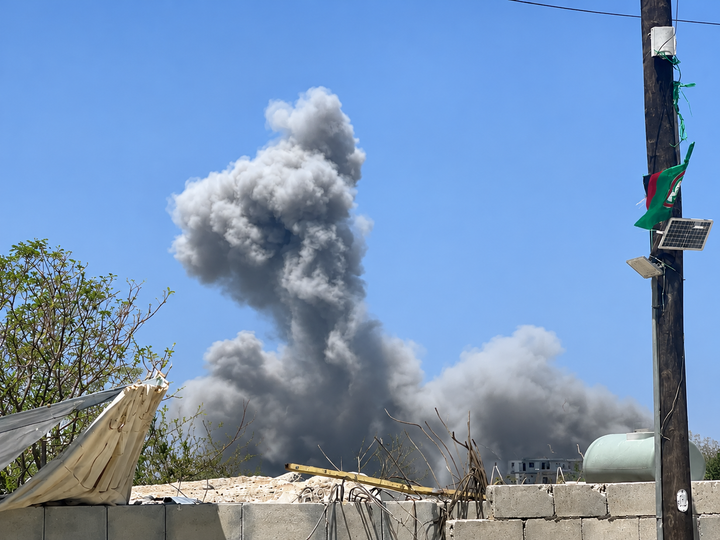
Months of conflict have disrupted shipping through the Strait of Hormuz, increased energy costs and threatened international trade.
Trump said during his meeting with Xi that both leaders support restoring the movement of oil through the strategic waterway.
China, a major importer of Middle Eastern energy, has strong economic reasons to support a reduction in hostilities.
Russia, meanwhile, maintains strategic relations with Iran while benefiting economically from periods of elevated oil prices.
Despite these competing interests, all three powers have reasons to prevent an uncontrolled regional escalation.
An understanding on maritime security or diplomatic coordination could provide one of the summit's more achievable outcomes, although no agreement has been confirmed.
Trade, Technology and the Competition for Global Influence
Beyond military conflicts, the summit comes amid growing economic competition between Washington and Beijing.
The two countries remain divided over tariffs, restrictions on advanced semiconductor exports, rare earth minerals and access to strategically important technologies.
China has increasingly promoted itself as a defender of international trade, while the Trump administration has relied on tariffs and technology restrictions to protect American economic and security interests.
Xi used the APEC summit to call for open trade and closer international cooperation, presenting China as a stable economic partner.
Russia, facing extensive Western sanctions, has sought closer economic integration with Asian markets.
The three leaders therefore arrive with fundamentally different visions of how international trade and security should operate.
A New Yalta or Diplomatic Theater?
The unprecedented gathering has prompted comparisons with the 1945 Yalta Conference, when Allied leaders negotiated arrangements that helped shape the postwar international order.
However, the comparison has limitations.
Unlike the wartime allies who gathered at Yalta, Washington, Beijing and Moscow are strategic competitors with conflicting interests.
Russia hopes to strengthen its international standing, China seeks to protect its economic and geopolitical influence, and Trump wants diplomatic agreements that could redefine American relationships with both countries.
Analysts interviewed by Reuters and the Associated Press caution that the gathering is unlikely to produce comprehensive agreements, given the substantial differences between the participants.
The exclusion of smaller countries directly affected by the issues under discussion has also raised concerns about whether great powers could attempt to negotiate arrangements without meaningful participation from their allies and partners.
The significance of the Shenzhen summit may ultimately lie less in the agreements reached on Thursday than in whether the world's three most powerful military states can establish a framework for managing their growing rivalries.
For now, the historic meeting offers an opportunity for diplomacy, but no guarantee that the divisions shaping global politics are becoming easier to resolve.