Jensen Huang Resigns as Nvidia CEO, Triggering New Uncertainty Across the AI Industry
Jensen Huang has resigned as Nvidia CEO and president after 33 years, following allegations involving extramarital relationships and a suspected Chinese intelligence operation.
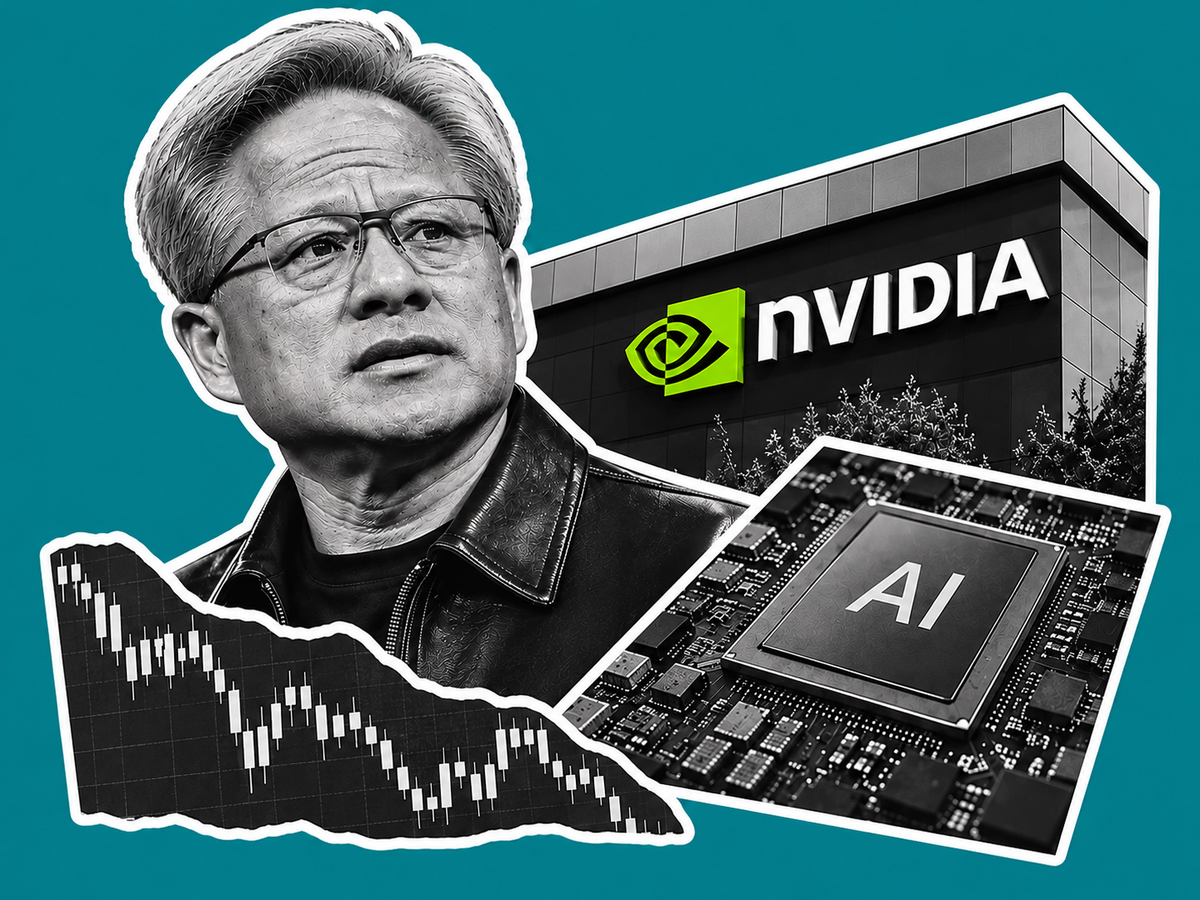
Nvidia's billionaire founder has stepped down following allegations involving extramarital relationships and a suspected Chinese intelligence operation, leaving the world's leading AI chipmaker facing an unprecedented leadership crisis.
Nvidia co-founder Jensen Huang has resigned as chief executive officer and president of the semiconductor giant, ending more than three decades of leadership amid a widening controversy involving alleged extramarital relationships and possible Chinese intelligence activity.
Nvidia confirmed the departure on November 12, announcing that Huang had also resigned from its board of directors with immediate effect. Chief Financial Officer Colette Kress has been appointed interim CEO while the company searches for a permanent replacement.
The announcement marks an extraordinary turning point for the company Huang co-founded in 1993 and transformed into the world's dominant supplier of advanced artificial intelligence processors.
Huang's resignation follows a week of damaging revelations about his personal relationships and their potential implications for US national security.
The controversy initially centered on his reported relationship with Alice Huang, a businesswoman associated with Singapore-based Megaspeed, a company involved in purchasing Nvidia's advanced AI chips.
US authorities reportedly investigated whether she had connections to Chinese intelligence and whether the relationship created opportunities to obtain sensitive information.
On November 8, Huang publicly acknowledged being unfaithful to his wife and apologized to his family and Nvidia employees.
Days later, further reporting alleged that Huang had maintained another undisclosed relationship with a Nvidia employee, intensifying scrutiny of his conduct and the company's corporate governance.
Nvidia's independent directors launched an investigation into the suspected foreign intelligence operation, although the company emphasized that it had no reason to believe confidential information or US national security had been compromised.
The Justice Department has not publicly established that Alice Huang was a Chinese intelligence operative, and no finding has established that Jensen Huang knowingly assisted foreign intelligence.
Interim CEO and Chief Financial Officer: Colette Kress
Kress joined Nvidia in 2013 and has overseen its finances through the company's extraordinary expansion into AI computing.
Kress will retain her responsibilities as chief financial officer while temporarily leading the company.
Nvidia also appointed longtime director Harvey Jones as its first board chair, separating board leadership from the chief executive position.
The company said it would consider both internal and external candidates for a permanent successor and emphasized that customer commitments, operations and technology development would continue uninterrupted.
However, replacing Huang presents an unusual challenge. His influence extended beyond executive management into chip development, customer relationships, industry partnerships and Nvidia's broader AI strategy.
The leadership crisis has already shaken financial markets.
Nvidia shares declined following the resignation, with Reuters reporting a drop of approximately 4.3% in Thursday's trading as investors assessed the potential disruption to the company's business.
The resignation comes during an already turbulent period for technology stocks, with investors questioning the sustainability of enormous AI infrastructure investments and the valuations of semiconductor manufacturers.
For Nvidia, the uncertainty is particularly significant because Huang played a central role in establishing relationships with technology giants, cloud providers and AI developers.
Competitors including AMD and Broadcom could benefit if customers seek to reduce dependence on Nvidia during the leadership transition. However, there is no evidence that Nvidia has lost major contracts because of Huang's departure.
Huang's departure raises questions extending well beyond Nvidia's leadership.
Under his direction, the company became central to the global AI investment boom, supplying processors to major technology companies while financing startups, cloud providers and infrastructure projects.
His close relationship with President Donald Trump and advocacy for continued access to the Chinese market also made him influential in Washington's technology policy debates.
The controversy could now strengthen calls for tighter restrictions on advanced chip exports to China, particularly as lawmakers investigate whether existing safeguards were sufficient.
Nvidia's next major test comes on November 17, when the company is scheduled to release quarterly earnings. Investors will be watching not only its financial performance but also whether the leadership transition threatens its growth plans.
Huang's resignation ends one of the most influential leadership tenures in modern technology. Nvidia remains dominant in AI computing, but the company must now prove that its extraordinary success can continue without the executive who built it.