Lebanon Has Used Just $4.2 Million of a $250 Million World Bank Reconstruction Loan
Lebanon has disbursed just $4.2 million of a $250 million World Bank reconstruction loan, despite initial expectations that $100 million would be released by July 2026.
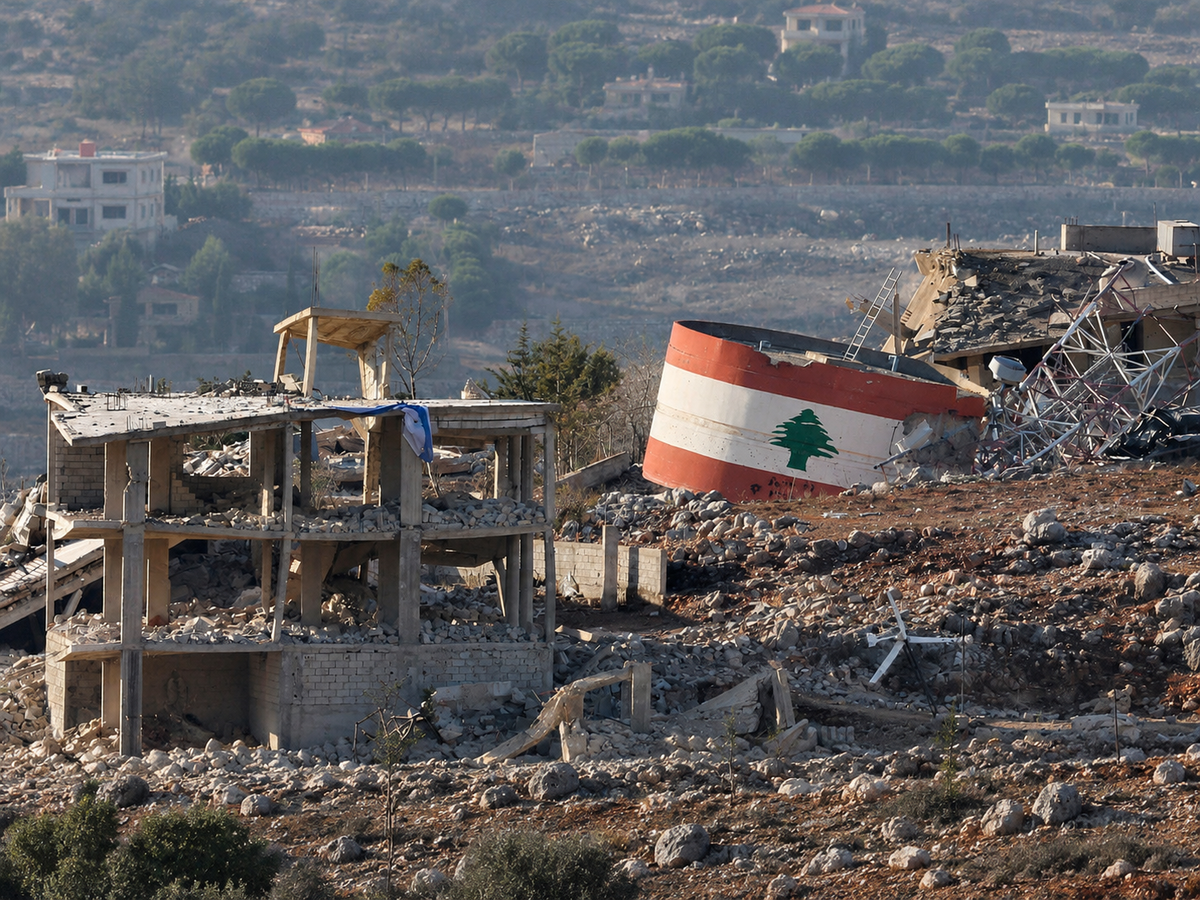
More than a year after the World Bank approved emergency reconstruction financing, Lebanon has disbursed less than 2% of the funds, as bureaucratic delays, institutional weaknesses and continued insecurity prevent damaged communities from rebuilding.
Lebanon has disbursed just $4.2 million of a $250 million World Bank reconstruction loan, according to the institution's September progress report, raising serious questions about the government's ability to deliver urgently needed infrastructure repairs after successive wars with Israel.
The World Bank originally expected $100 million to have been disbursed by July 2026. Instead, by September, only 1.7% of the approved financing had been released.
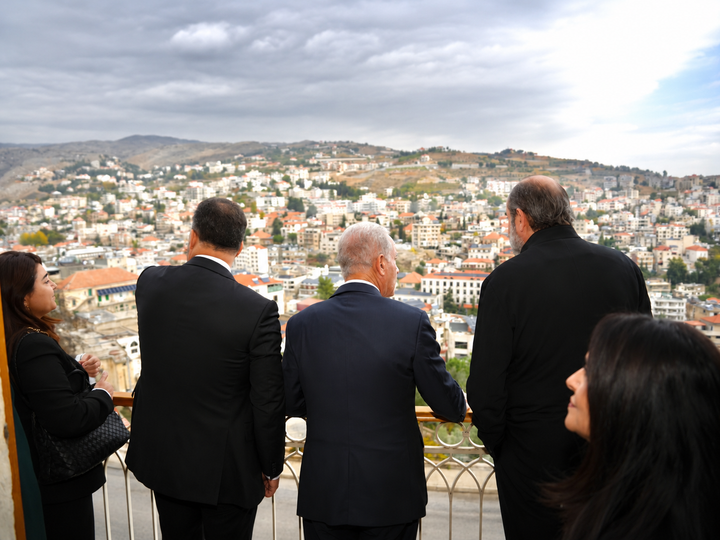
The findings were highlighted by World Bank Managing Director of Operations Anna Bjerde during a visit to Lebanon this week, including an inspection of war-damaged areas in the south.
Speaking to the Associated Press on November 17, Bjerde acknowledged that reconstruction was progressing more slowly than the institution had anticipated, citing security constraints and the limited capacity of Lebanese public institutions.
A $250 Million Loan, but Almost No Disbursement
WORLD BANK RECONSTRUCTION LOAN — SEPTEMBER 2026
$4.2M
1.68% disbursed
Total loan approved
$250M
Originally expected by July
$100M
Source: World Bank.
The loan was approved in June 2025 under the Lebanon Emergency Assistance Project (LEAP), designed to remove rubble and restore essential public infrastructure damaged during the 2023–2024 conflict.
Funding targets roads, water networks, electricity infrastructure, healthcare facilities, schools and municipal services.
The World Bank structured the initiative as the first phase of a broader $1 billion reconstruction framework, leaving a $750 million financing gap dependent on additional funding.
Why Has Reconstruction Been So Slow?
Lebanon's government attributes the delays partly to the lengthy parliamentary ratification process and the deterioration of security conditions following renewed fighting with Israel in March.
Prime Minister Nawaf Salam's office said that Israeli military operations and continued occupation of southern territory had prevented projects from beginning on schedule.
The government also acknowledged implementation difficulties and said the Council for Development and Reconstruction had introduced measures to accelerate activity.
According to Bjerde, Lebanon's overstretched public institutions have struggled to prepare and implement projects while navigating security risks.
The World Bank has consequently intensified its supervision, emphasizing the need for close monitoring to ensure promised reconstruction actually takes place.
The explanation highlights two distinct problems: active conflict makes certain construction sites inaccessible, while administrative and institutional delays prevent work from progressing even where security permits.
$70 Million in Projects Promised Before Year's End
Salam's office says the Council for Development and Reconstruction expects to launch approximately $70 million worth of projects before the end of 2026.
However, launching projects is not the same as disbursing funding or completing construction.
Whether the government meets that target will depend on tendering, contracting, site accessibility and implementation capacity.
The distinction matters because Lebanon's reconstruction needs extend far beyond the existing loan.
The World Bank previously estimated that recovering from the 2023–2024 conflict would require approximately $11 billion. The renewed fighting that began in March 2026 has caused further destruction.
Around 300,000 people remain displaced, according to figures reported by the Associated Press.
The Cost of Government Inaction
The delays have broader economic and political consequences.
Destroyed roads, damaged water networks and unreliable public services make it harder for displaced families to return and businesses to resume operations.
Slow state-led reconstruction also risks deepening dependence on assistance distributed through political organizations, including Hezbollah, which recently announced compensation for families whose homes were destroyed or rendered uninhabitable.
Although American officials have linked broader reconstruction assistance to Hezbollah's disarmament, the existing World Bank loan does not carry that condition.
Lebanon therefore already possesses financing for urgently needed infrastructure work, yet has struggled to convert those resources into completed projects.
Security threats are real, but they cannot explain every administrative delay.
The government's challenge is no longer simply securing international assistance. It must demonstrate that it can actually use the money already available.
With less than 2% of the loan disbursed as of September, Lebanon's reconstruction crisis is becoming as much a question of state capacity and accountability as it is of funding.