Lebanon Launches Largest Customs Reshuffle in 13 Years to Tighten Border Controls and Fight Smuggling
Lebanon has approved its largest customs reshuffle in 13 years, reassigning 44 officials across Beirut Port, the international airport and key crossings with Syria. The changes aim to strengthen inspections, combat smuggling and improve customs revenue.
Lebanon has approved its largest customs administration reshuffle in 13 years, transferring 44 senior officials across the country’s ports, airport and land crossings in an effort to combat smuggling, strengthen oversight and increase government revenue.
The decision, approved on October 30 by the Higher Customs Council, represents one of the most significant administrative changes to an institution long associated with allegations of corruption, political interference and weak border enforcement.
The reshuffle includes 19 senior inspectors and 25 inspectors, with additional transfers involving lower-ranking employees expected within two weeks.
For Lebanon, the initiative could become an important test of the government’s ability to restore control over its borders.
What Is Changing?
The reshuffle was approved during a meeting chaired by Higher Customs Council President Brigadier General Mesbah Khalil, under the supervision of Finance Minister Yassin Jaber and following consultations with Customs Director General Gracia Azzi.
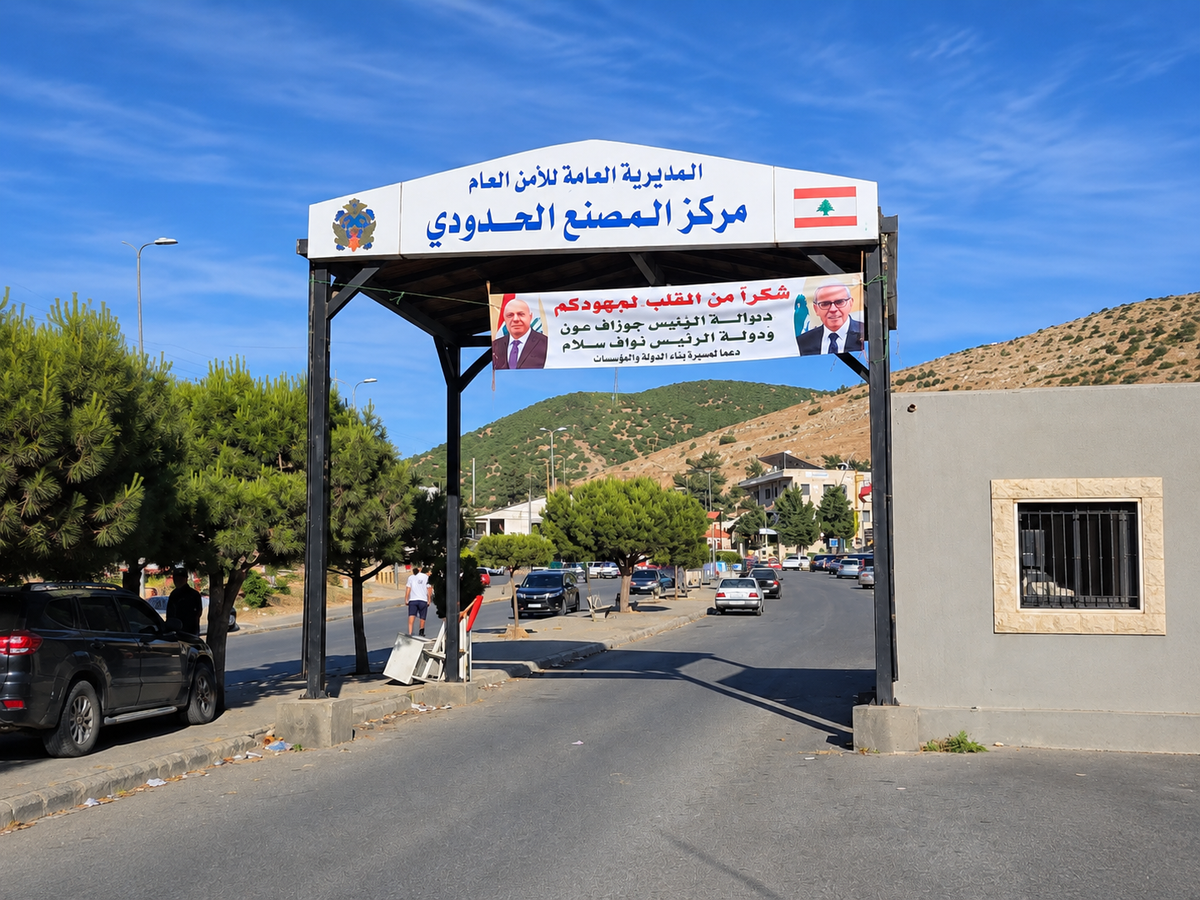
It covers several of Lebanon’s most important entry points, including Beirut Port, Rafic Hariri International Airport, the Masnaa crossing with Syria, the Abboudieh and Arida crossings in northern Lebanon, and Qlayaat Airport.
The transfers are expected to be implemented within one week.
The stated objectives include filling vacant positions, rotating personnel, strengthening inspections and improving the verification of declared import values.
Personnel rotation is particularly important in customs administration.
Officials who remain in the same positions for extended periods can develop relationships with importers, brokers and other commercial actors, potentially increasing opportunities for favoritism or corruption.
Regular transfers can help reduce those risks, although they cannot eliminate corruption without independent oversight and enforcement.
Smuggling Has Cost Lebanon Enormously
Lebanon’s customs administration sits at the intersection of two major national problems: lost government revenue and weak border control.
Smuggling deprives the Treasury of customs duties and taxes while allowing illicit products to compete with legally imported goods.
Import undervaluation presents another challenge.
When goods enter the country at artificially reduced declared prices, the government collects less revenue than legally required.
For a state struggling to finance public services, those losses matter.
The customs administration is also responsible for preventing the illegal movement of weapons, narcotics and other restricted materials.
Lebanon’s porous border with Syria has repeatedly raised concerns about illicit trade networks.
Meanwhile, Beirut Port and the airport represent critical gateways for international commerce.
Improving supervision at these locations could strengthen both public finances and national security.
But reshuffling personnel alone does not guarantee that established smuggling networks will disappear.
Effective enforcement requires coordinated investigations, modern inspection equipment, transparent customs procedures and accountability for violations.
Why Beirut Port Matters
The inclusion of Beirut Port carries particular significance.
The devastating August 4, 2020 explosion exposed serious failures in the handling, storage and oversight of dangerous materials.
Although the disaster involved multiple institutions and unresolved questions of responsibility, it demonstrated the consequences of institutional dysfunction at one of the country’s most important facilities.
Six years later, Lebanon still faces the challenge of rebuilding confidence in port governance.
A credible customs reform program would require clear responsibility for inspecting cargo, documenting hazardous shipments and identifying irregularities.
Replacing officials without changing the underlying procedures would leave many of the same risks intact.
Faster Trade, Not Just Tougher Inspections
The reform is also intended to improve legitimate commerce.
Authorities want to simplify customs procedures, shorten clearance times and reduce administrative burdens on importers and exporters.
These changes could make Lebanese businesses more competitive by reducing delays and uncertainty.
The initiative also supports discussions between the Finance Ministry and World Bank concerning regional transport, trade and energy corridors.
Lebanon’s geographic position provides opportunities to serve as a commercial gateway connecting Mediterranean ports with neighboring markets.
But realizing that potential requires predictable border procedures and reliable enforcement.
Investors and trading partners need confidence that goods can move legally and efficiently.
A Step Toward Leaving the FATF Grey List?
The reshuffle also forms part of Lebanon’s broader efforts to strengthen controls against money laundering, smuggling and illicit cross-border financial activity.
Lebanon was placed on the Financial Action Task Force’s grey list in 2024, increasing scrutiny of weaknesses in its financial and regulatory systems.
Customs enforcement is relevant because illicit trade can generate or conceal financial proceeds.
Better inspections, documentation and cooperation between agencies could support the country’s compliance efforts.
However, customs transfers alone will not secure removal from the grey list. Lebanon must demonstrate broader progress in implementing its anti-money-laundering commitments.
The Real Test Is Enforcement
The reshuffle is a substantial administrative development after thirteen years without a comparable rotation.
But its success cannot be measured by the number of officials reassigned.
The government needs to demonstrate whether inspections improve, customs revenue increases, clearance times decline and smuggling operations are actually disrupted.
It must also ensure that new appointments are based on professional qualifications rather than political affiliations.
Lebanon has repeatedly announced institutional reforms without delivering lasting improvements.
This initiative offers another opportunity to demonstrate that the state can exercise effective authority over its own infrastructure and borders.
Forty-four officials have been reassigned.
What matters now is whether anything changes at the checkpoints.