Lebanon's Displaced Families Face Another Winter as Reconstruction Funding Stalls
More than 300,000 people remain displaced across Lebanon as winter approaches, with families facing rising rental costs, inadequate shelter and uncertainty over when they can return home.
More than 300,000 people remain displaced in Lebanon as winter approaches, while less than 2% of a major World Bank reconstruction loan has been disbursed. For families unable to return home, the delay is becoming another humanitarian and financial burden.
Hundreds of thousands of Lebanese are preparing to spend another winter away from their homes as reconstruction efforts struggle to advance, leaving families facing rising rental expenses, inadequate shelter and uncertainty over when they can safely return.
According to recent United Nations estimates, approximately 304,500 people remain internally displaced following successive conflicts between Israel and Hezbollah. Many are unable to return because their homes have been destroyed, basic infrastructure remains damaged or security conditions make their communities inaccessible.
The humanitarian challenge has been compounded by delays in international reconstruction financing.
Just $4.2 Million Disbursed From a $250 Million Loan
The World Bank approved $250 million in June 2025 to help Lebanon remove rubble and rehabilitate essential public infrastructure damaged during the 2024 war.
However, a September 2026 progress report revealed that just $4.2 million had been disbursed, equivalent to 1.7% of the total.
The World Bank had initially expected $100 million to be released by July.
During a visit to Lebanon this week, World Bank Managing Director of Operations Anna Bjerde acknowledged that reconstruction was progressing more slowly than anticipated.
Lebanese officials have attributed the delays to parliamentary procedures, limited institutional capacity and renewed Israeli military operations. The government says approximately $70 million in projects could be launched before the end of the year.
Importantly, the World Bank loan primarily finances public infrastructure rather than direct compensation for destroyed private homes. Nevertheless, delays in restoring roads, water networks and essential services also prevent displaced families from returning.
Winter Brings New Risks for Displaced Families
LEBANON'S DISPLACEMENT CRISIS
304,500
People still displaced, recent UN estimate
280,000
People estimated to need winter assistance
UN displacement reporting and UNHCR winter appeal. The two figures describe different populations and should not be added together. aljazeeranews-3fuh52rgrl.edgeone.app+1
As temperatures fall, displaced households face additional expenses for heating, clothing, electricity and weatherproofing temporary accommodation.
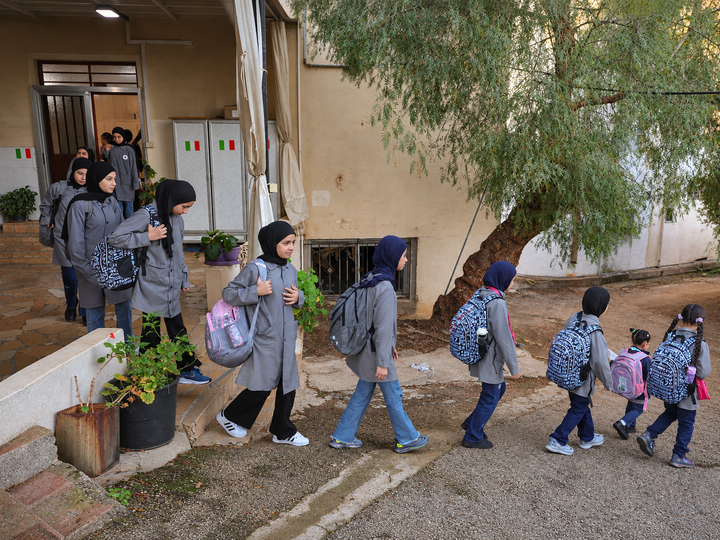
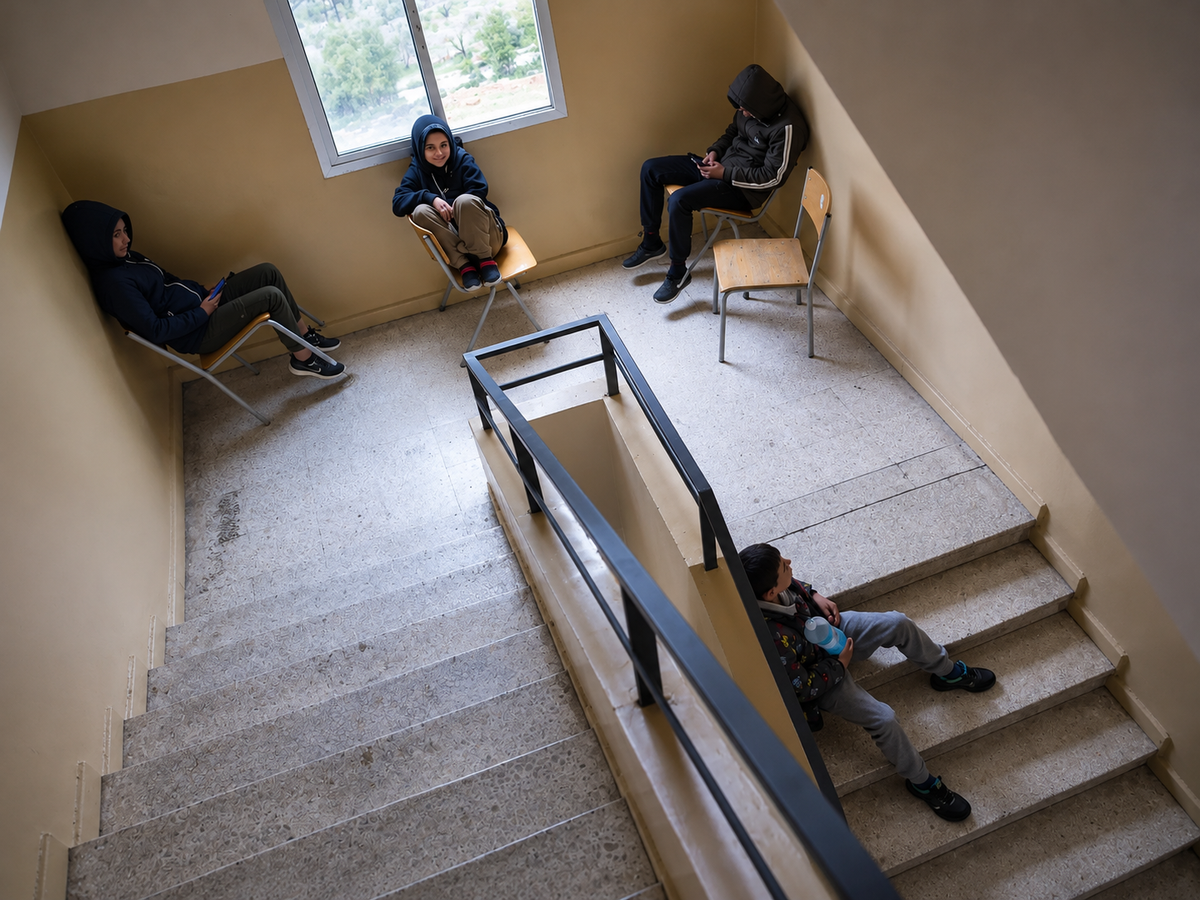
Some families are staying with relatives or renting apartments, while others remain in collective shelters or unfinished buildings.
The International Organization for Migration reported that more than 17,000 displaced people were still living in collective shelters in September, with many others relying on rental accommodation or host communities.
The UN refugee agency has warned that funding shortages threaten its ability to provide essential assistance during the winter.
Its latest appeal estimates that approximately 280,000 people in Lebanon require winter-related support, while cash assistance programs face substantial reductions.
For families already struggling with unemployment and depleted savings, another winter away from home means additional financial pressure.
Why Families Still Cannot Return
The obstacles extend beyond damaged buildings.
Continued Israeli military activity in southern Lebanon, unexploded ordnance and restrictions on access to certain villages have prevented residents from returning safely.
Even in areas where fighting has subsided, damaged electricity and water networks make everyday life difficult.
The International Committee of the Red Cross has warned that housing destruction and the loss of essential services remain major barriers to return.
Meanwhile, Lebanon's economic crisis has limited families' ability to finance repairs independently.
The World Bank expects the country's economy to contract by 6.4% in 2026, further weakening employment opportunities and household purchasing power.
Reconstruction Cannot Wait Indefinitely
The government faces two urgent responsibilities: accelerating reconstruction wherever security conditions permit and providing immediate support to families who cannot return.
The first requires faster project approvals, transparent procurement and effective coordination with international donors.
The second requires rental assistance, winter supplies, temporary shelter improvements and support for essential services.
These measures cannot replace a lasting security settlement, but they can reduce the hardship endured by displaced families.
Lebanon has secured international reconstruction financing, yet its institutions have struggled to turn those commitments into tangible improvements. As another winter begins, the consequences of that failure are being measured not only in delayed projects, but in families spending another season without a home.