Lebanon Seizes Nearly One Ton of Explosives as Salam Promises Full Investigation
Lebanese security forces have seized roughly 980 kilograms of explosives in two operations, including a 780-kilogram shipment reportedly heading from the Bekaa toward Beirut’s southern suburbs.
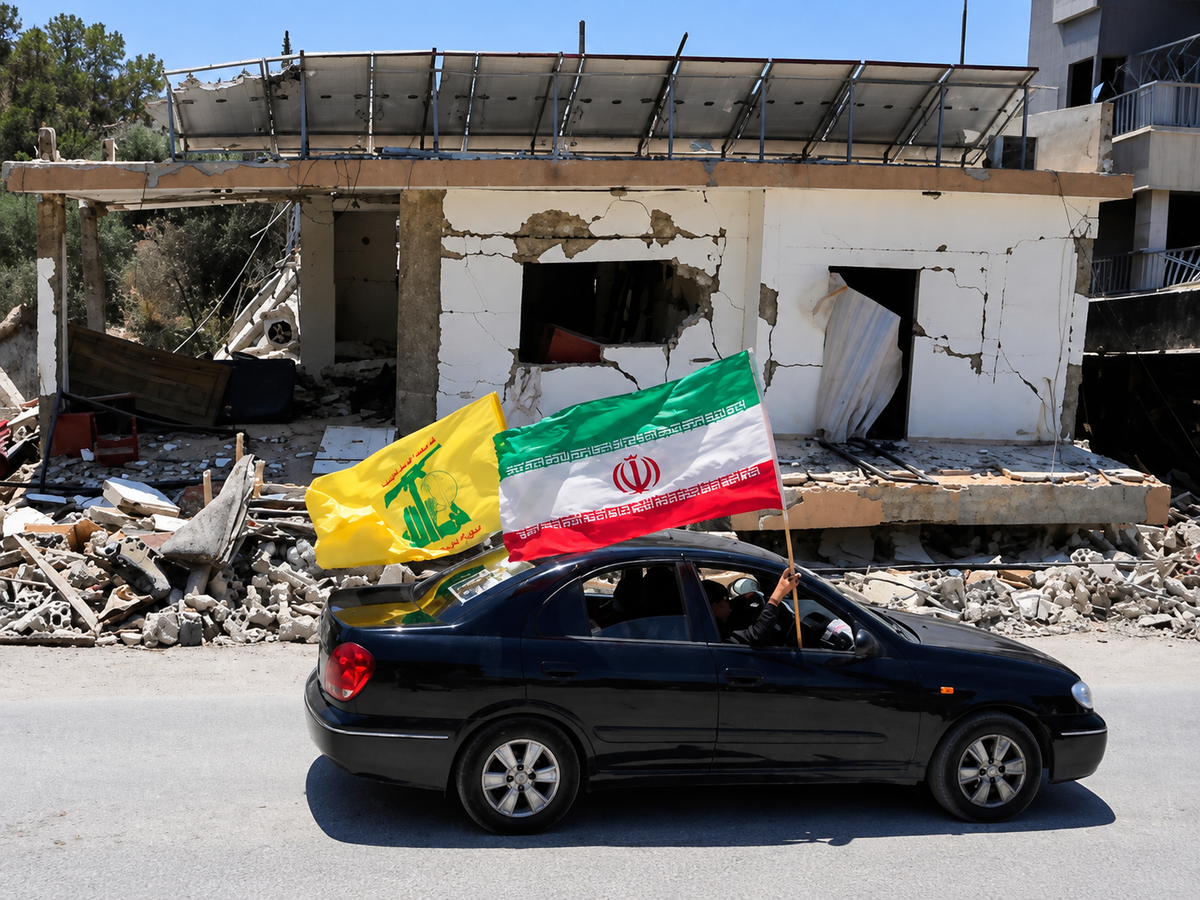
Lebanon’s security services have now seized nearly one ton of explosives in two separate operations, including a massive shipment allegedly linked to Hezbollah that was being transported toward Beirut’s southern suburbs.
Prime Minister Nawaf Salam responded on October 12 by promising that there would be “no leniency” and no attempt to bury the case, saying everyone involved would be held accountable.
The largest seizure occurred at the Dahr al-Baidar checkpoint.
Authorities intercepted a vehicle carrying approximately 780 kilograms of explosive material. According to reporting by MTV, the cache included around 216 kilograms of C4 and 281 kilograms of Tetryl, alongside smaller explosive devices, nails and other material capable of dramatically increasing casualties in a blast.
Justice Minister Adel Nassar later said the shipment was travelling from the Bekaa toward Beirut’s southern suburbs and described the amount seized as sufficient to “blow up an entire neighborhood.” He has called for the case to be referred to Lebanon’s Judicial Council, which handles some of the country’s most serious national-security cases.
Two men were arrested.
A military source and a judicial source told L’Orient Today that both were Hezbollah members, although two other security sources and a Hezbollah source did not independently confirm that affiliation. Hezbollah has not publicly explained the shipment.
According to MTV’s reporting on the investigation, the detainees said a Honda vehicle first moved the explosives to a location in the Baalbek highlands. They were later instructed by a man identified only as “Sajed” to transport the material in a caravan toward the southern suburbs, where it was allegedly supposed to be handed to another individual known as “Zulfiqar.” Those claims remain under investigation and have not yet been tested in court.
The Lebanese Army separately reported seizing another 200 kilograms of explosives smuggled from Syria.
Taken together, the two cases bring the amount intercepted to roughly 980 kilograms, nearly one metric ton.
The central question is no longer simply what was found.
It is what the explosives were intended for.
No official investigation has yet established a target or final operational purpose, and authorities have not announced evidence proving an assassination plot.
But the contents of the shipment explain why political concern has escalated so quickly.
C4 and Tetryl are military-grade explosives. Nails and other fragmentation material can be incorporated into explosive devices specifically to increase casualties.
Lebanon also has a long history of political assassinations carried out with large explosive charges, making any unexplained shipment of this size extraordinarily sensitive.
Information Minister Paul Morcos acknowledged that history when discussing public fears surrounding the case, while Salam urged Lebanese citizens to trust the investigation.
The case also lands directly inside the country’s unresolved fight over Hezbollah’s weapons.
Lebanon has formally committed itself to restoring the state’s monopoly over arms.
The Army has been confiscating weapons and dismantling military infrastructure, particularly in the south.
Washington is simultaneously increasing pressure on Beirut to produce measurable progress on Hezbollah’s disarmament rather than another round of political promises.
Then security forces intercept hundreds of kilograms of high explosives allegedly being moved toward Hezbollah’s principal stronghold in Beirut.
That makes this much more than a smuggling case.
If investigators confirm that Hezbollah personnel were moving the explosives on behalf of the organization, it would provide evidence that an independent military logistics network remains active inside Lebanon despite the government’s commitment to dismantle such structures.
Justice Minister Nassar has made precisely that point.
He said the investigation into the explosives would be taken “to the very end” and linked the case directly to the state’s campaign against illegal weapons and organizations operating outside the law.
This is where Salam’s promise will be tested.
Lebanon has seen major security investigations lose momentum before.
Files become politicized.
Pressure is applied.
Responsibility narrows to low-level operatives.
The people who ordered, financed or organized an operation disappear from the story.
That cannot happen here.
Nearly 800 kilograms of explosives do not move from the Bekaa toward Beirut through the decision of two men alone.
There was a source.
There was storage.
There was transport.
There were instructions.
There was an intended recipient.
And there was presumably a reason for assembling such a large quantity of military-grade material in the first place.
Those are the questions the investigation now has to answer.
The timing makes accountability even more important.
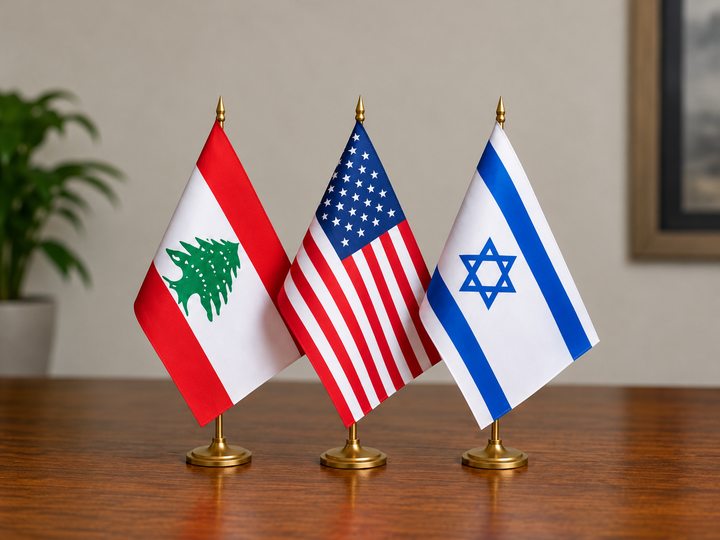
Lebanon is negotiating with Israel.
The government is asking international partners to fund reconstruction.
Washington is threatening greater Treasury pressure if Hezbollah’s military and financial networks remain intact.
And the Lebanese state is trying to convince both its own citizens and foreign governments that it is finally capable of exercising sovereignty.
A credible investigation would strengthen that claim.
A compromised one would destroy it.
Salam has promised there will be no leniency.
Nassar says nobody will be allowed to interfere.
Those are the correct words.
Now Lebanon gets to find out whether the state is finally prepared to follow them with action.