Makhzoumi’s Beirut Victory Delivers a Blow to the Future Movement
Fouad Makhzoumi’s allies won 11 of 18 seats in the Beirut Families Union election on August 29, defeating a list backed by the Future Movement in an institution historically associated with the Hariri political camp.
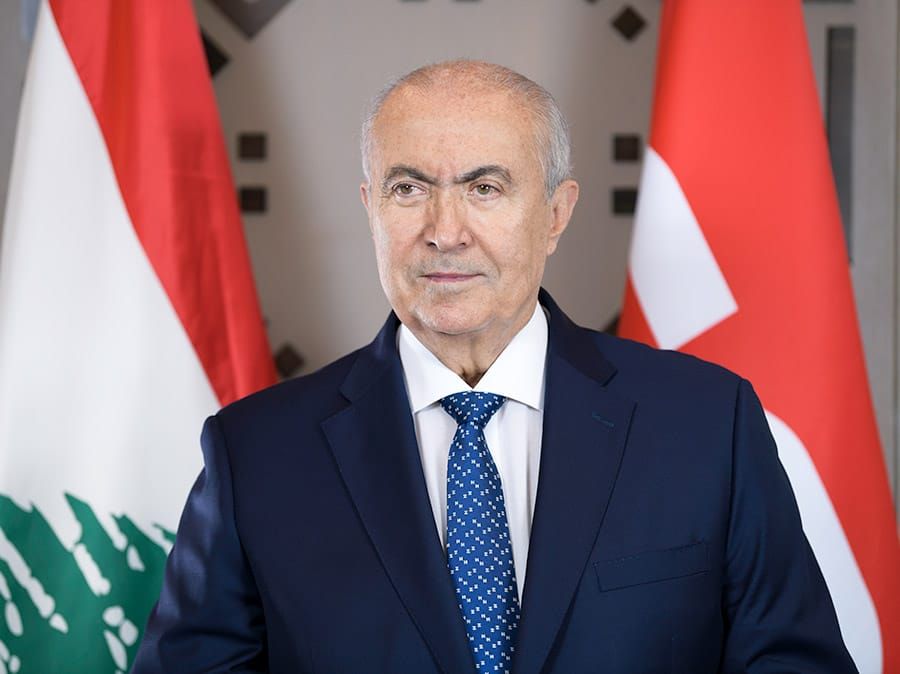
A relatively small organizational election in Beirut on August 29 carried much larger political implications. The Union of Associations of Beirut Families elected a new 18-member administrative board, with the Independent Beirut Families list backed by MP Fouad Makhzoumi winning 11 seats, compared with 7 seats for the “Qouwatna Fi Al-Ittihad” list supported by the Future Movement and its allies.
The Union was established in 1998, during the height of Rafik Hariri’s political influence, and has traditionally been closely associated with the Hariri political camp. That is what made the result notable: Makhzoumi’s slate did not simply win a local association vote, it took control of an institution long viewed as part of the Future Movement’s social and political ecosystem in the capital.
The election therefore offered a useful snapshot of the competition underway for Sunni political influence in Beirut. Saad Hariri’s Future Movement remains one of the most recognizable political brands among Beirut’s Sunni community, but its organizational dominance has weakened considerably in recent years. Makhzoumi, meanwhile, has been positioning himself as an increasingly important independent Sunni figure and potential alternative center of influence in the capital.
The numbers themselves were decisive. A total of 238 voters participated, with Makhzoumi-backed candidates taking a clear majority of seats. Jamil Hout topped the results with 139 votes, followed by Nader Chaar with 137 and Ziad Dandan with 130.
The election should not be treated as a direct substitute for a parliamentary contest: the electorate was small and specific to the Union. But politically, it still matters. Beirut’s traditional family networks have historically played a role in mobilization, community representation and electoral organization, meaning control of such institutions can translate into influence beyond the organization itself.
The August 29 result is therefore being read as another sign that Beirut’s Sunni political landscape is becoming more competitive and less automatically dominated by the Hariri camp. Whether Makhzoumi can convert that momentum into broader electoral strength remains the larger question.