More Than 300,000 Lebanese Remain Displaced as Israel Continues Demolitions in the South
More than 300,000 Lebanese remain displaced despite the June ceasefire, as Israeli forces continue demolitions and military operations across parts of southern Lebanon.
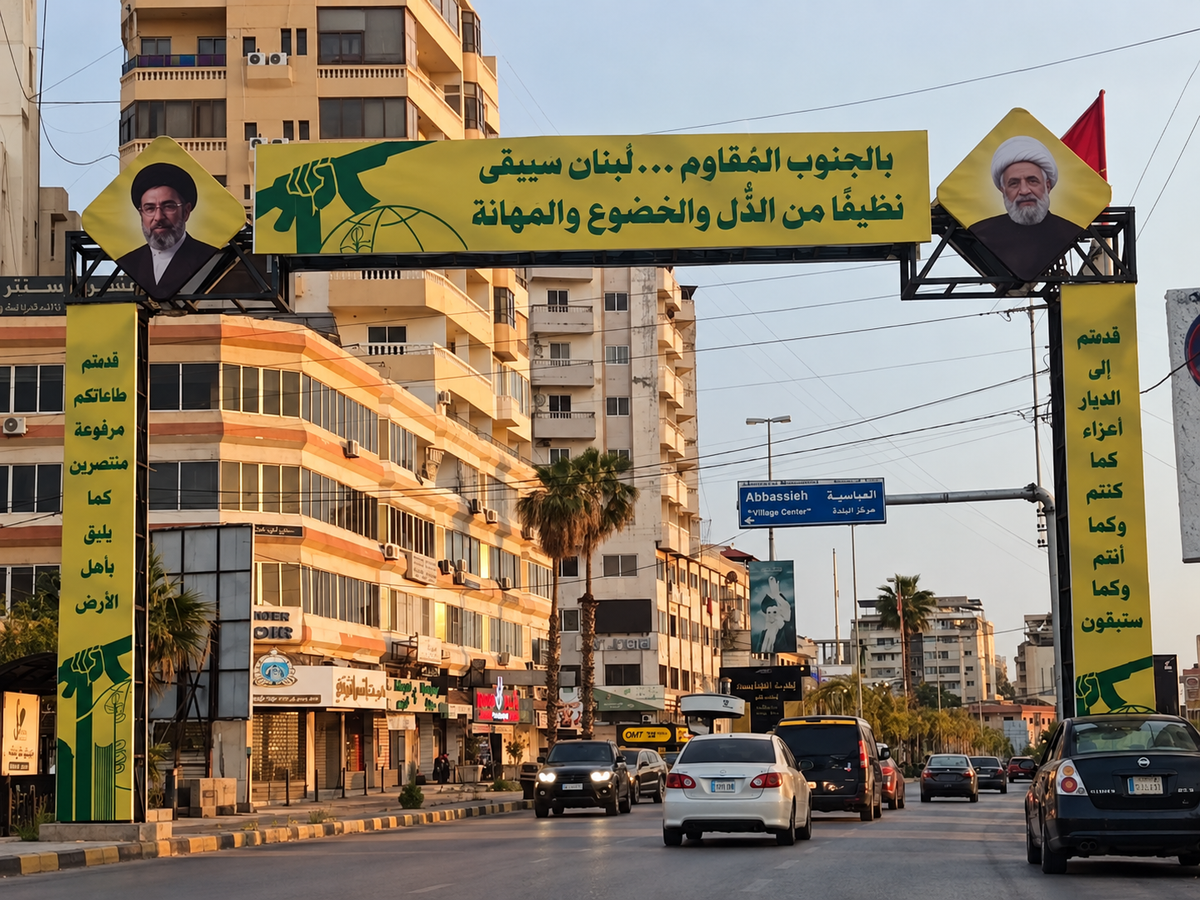
More than 300,000 Lebanese remain displaced nearly three months after the latest ceasefire, as Israeli military operations continue to prevent large numbers of families from returning to their villages in southern Lebanon. More than 1.2 million people have returned home since the June truce, but hundreds of thousands remain unable to do so because of destruction, insecurity and continuing Israeli activity.
The situation is particularly severe in frontline villages, where Israeli forces continue demolition operations even after active fighting has decreased. In Mansouri, residents displaced to nearby Hanniyeh now gather to watch Israeli drones drop explosives on homes and other structures in their village. The town’s public school has also been targeted, while residents say houses, orchards and livelihoods are steadily being destroyed.
The United Nations has repeatedly warned that demolitions, shelling and military activity are damaging homes, agricultural land and civilian infrastructure across southern Lebanon. UNIFIL has reported large-scale Israeli engineering and demolition works inside its area of operations, while earlier UN reporting documented more than 200 demolitions, particularly in communities close to the Blue Line.
Even in areas where people are technically able to return, conditions are often extremely difficult. Families are finding heavily damaged homes, disrupted water and electricity networks, limited access to schools and healthcare, and widespread unexploded ordnance. Some residents who attempted to return have subsequently left again because of renewed strikes and the persistent presence of drones overhead.
The displacement crisis is increasingly tied to the unresolved political settlement between Lebanon and Israel. A U.S.-brokered framework agreed after the June ceasefire envisioned an Israeli withdrawal alongside the disarmament of Hezbollah, but implementation has stalled. Hezbollah has resisted broader disarmament while Israel says it will not fully withdraw until the threat from the group is removed.
Israel has meanwhile consolidated control over several areas in the south, including the strategic Ali al-Taher ridge, where it recently destroyed a major Hezbollah underground complex and declared the establishment of a new security zone. Continued Israeli operations are reinforcing fears among displaced communities that some areas may remain inaccessible for an extended period.
Diplomatic efforts are also moving slowly. Israel-Lebanon talks that had been expected in Rome next week have now been postponed until October, although contacts between the two sides continue through U.S. mediation.
For hundreds of thousands of Lebanese, the ceasefire has therefore not meant a return to normal life. The war may have entered a lower-intensity phase, but as long as villages continue to be demolished and Israeli forces remain inside southern Lebanon, displacement is becoming less temporary and increasingly at risk of turning into a long-term reality.