Nvidia Smashes Earnings Forecasts but Rules Out Jensen Huang’s Return as CEO
Nvidia has reported record quarterly revenue of $115.8 billion, up 103% year-over-year, beating Wall Street forecasts as its data-center business generated $107.6 billion.
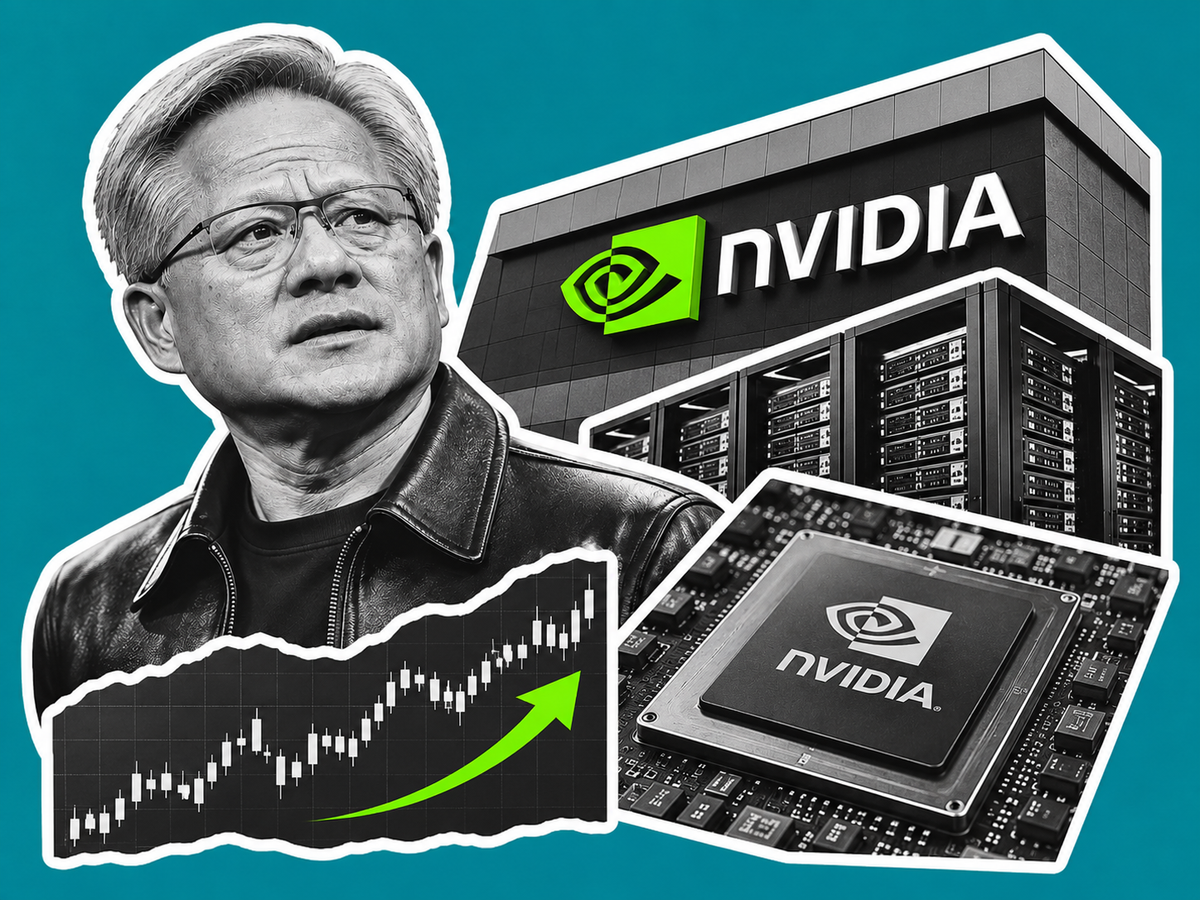
Nvidia has delivered record quarterly revenue and raised its growth forecasts, reassuring investors that demand for artificial intelligence chips remains strong. But the company's board has firmly rejected calls to reinstate founder Jensen Huang, leaving its leadership transition unresolved.
Nvidia has reported record quarterly revenue of $115.8 billion, beating Wall Street expectations and forecasting another quarter of explosive growth, even as its board ruled out reinstating former chief executive Jensen Huang following his resignation last week.
The semiconductor giant announced its fiscal third-quarter results on Tuesday, November 17, reporting a 103% increase in revenue from a year earlier and net income of $65.3 billion, more than double the previous year's figure.
The results provided reassurance that demand for advanced AI processors remains exceptionally strong despite the leadership controversy and a broader technology-stock selloff.
Nvidia shares rose approximately 2% in after-hours trading following the announcement, having fallen roughly 25% during November.
NVIDIA Investor Relations+1
Nvidia Delivers Another Record Quarter
$115.8B
Quarterly revenue · +103% YoY
$107.6B
Data-center revenue · +110% YoY
$65.3B
Quarterly net income
$130B
Fourth-quarter revenue forecast
Source: Nvidia fiscal Q3 2027 earnings release, November 17, 2026. NVIDIA Investor Relations
The company's data-center division continued to dominate its business, generating $107.6 billion in revenue as major technology companies accelerated investment in AI computing.
Nvidia also forecast fourth-quarter sales of approximately $130 billion, exceeding analysts' expectations of just over $125 billion.
Interim CEO Colette Kress projected revenue growth of approximately 75% in fiscal 2028, signaling confidence that the AI infrastructure boom will continue beyond the current year.
Reuters
Nvidia's Board Rejects Huang Comeback
Despite the strong financial results, Nvidia's board has ruled out bringing Huang back as chief executive.
Speaking during Tuesday's earnings call, chairman Harvey Jones confirmed that the board had unanimously accepted Huang's November 12 resignation and did not intend to reinstate him.
The announcement followed a growing campaign demanding his return, including a petition attracting more than 180,000 signatures and public expressions of support from Elon Musk and President Donald Trump.
Earlier Tuesday, Huang said he would be honored to return if the board considered it beneficial to the company.
However, Nvidia's directors have maintained their decision, backing Kress as interim CEO while continuing the search for a permanent successor.
Reuters+1
The Espionage Controversy Remains Unresolved
Huang resigned amid scrutiny over reported extramarital relationships, including allegations involving a woman suspected of connections to Chinese intelligence.
The controversy has raised questions about Nvidia's corporate governance and the security of sensitive technology as Washington continues restricting exports of advanced AI processors to China.
Nvidia has not established that Huang knowingly transferred confidential information or assisted foreign intelligence.
The company has launched an independent investigation and created a new board committee responsible for national security and export-control oversight.
During the earnings call, Nvidia declined to answer questions about the circumstances of Huang's departure or the continuing investigation.
Reuters+1
Can Nvidia Continue Growing Without Its Founder?
The earnings demonstrate that Nvidia's commercial momentum has not immediately weakened following Huang's resignation.
Its latest Vera Rubin computing platform is entering deployment, while major cloud providers continue investing heavily in AI infrastructure.
However, the company faces increasing competition from AMD, Google and manufacturers developing custom AI processors.
Investors are also questioning whether technology companies can sustain hundreds of billions of dollars in infrastructure spending and generate adequate returns.
Nvidia's leadership transition introduces another layer of uncertainty, particularly because Huang was closely involved in technology strategy, customer relationships and product development.
The company must now demonstrate that its technological advantages and customer relationships can survive the departure of the executive who built them.
Nvidia's earnings have answered one major question: demand for its AI chips remains exceptionally strong. The question now is whether its next chief executive can sustain that dominance without Jensen Huang.