Saudi Arabia Is Preparing a Major Offensive Against the Houthis to Reopen the Red Sea
Saudi Arabia is preparing a major offensive against the Houthis after the group made rapid gains along Yemen’s Red Sea coast and strengthened its position around the Bab el-Mandeb Strait.
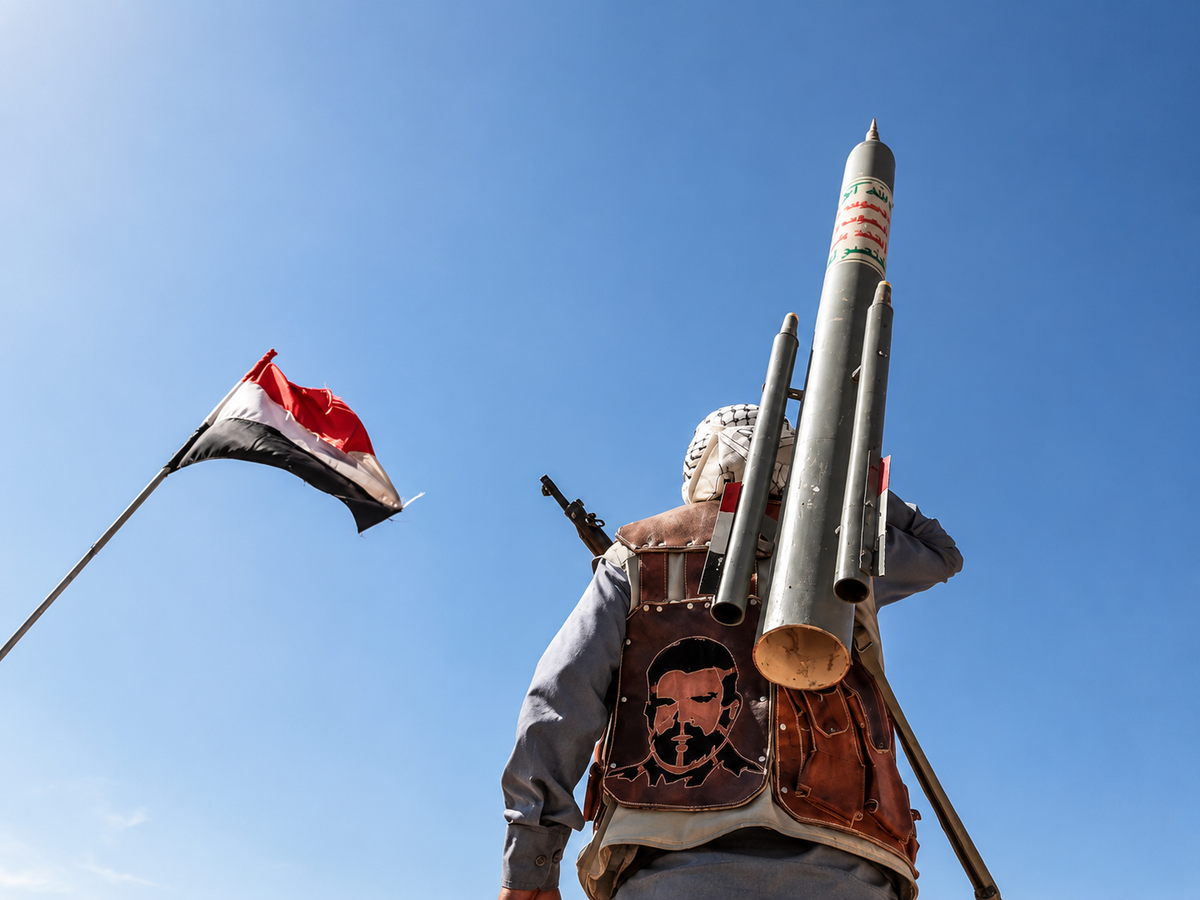
Saudi Arabia is preparing for what could become its largest military operation in Yemen in years, as Riyadh looks to push the Houthis back from the Red Sea coast and restore secure shipping through the Bab el-Mandeb Strait.
According to Reuters, Saudi Arabia is considering several military options, including a concentrated coastal offensive or a broader push across multiple fronts. The operation is expected to begin within weeks and would be led primarily by Yemeni government forces on the ground, with Saudi Arabia providing air support and overall coordination.
The reported preparations mark a major escalation in a conflict that had largely remained contained since the 2022 truce.
They also reflect how dramatically the situation in Yemen has changed over the past month.
In September, Houthi forces made rapid advances along Yemen’s western coastline, capturing the strategic port city of Mocha and reaching the Hanish Islands near the Bab el-Mandeb Strait. Those gains gave the group far greater leverage over one of the world’s most important maritime chokepoints.
Bab el-Mandeb connects the Red Sea with the Gulf of Aden and the Arabian Sea.
Any ship travelling between the Indian Ocean and the Suez Canal must effectively pass through it.
That makes the strait critical not only to Saudi Arabia, but to global trade between Asia, Europe and the Mediterranean.
Before the latest regional disruptions, millions of barrels of oil and petroleum products passed through Bab el-Mandeb every day. In the second quarter of 2026, the U.S. Energy Information Administration estimated flows through the strait at around 8.1 million barrels per day.
That has become even more important because the Iran war has already disrupted traffic through the Strait of Hormuz.
With Hormuz increasingly unreliable, Saudi Arabia and other Gulf producers have relied more heavily on Red Sea export routes.
A Houthi chokehold on Bab el-Mandeb therefore threatens one of the most important alternatives available to Gulf energy exporters.
This is why Riyadh’s objectives now go far beyond simply pushing the Houthis away from Saudi territory.
Saudi leaders want to reverse recent Houthi gains along Yemen’s coast and prevent the group from controlling both the land surrounding Bab el-Mandeb and the maritime approaches leading into it.
The scale of the planned operation could be substantial.
Reuters reported that more than 100,000 Yemeni government-aligned troops could potentially be involved, although the exact composition and final battle plan remain under discussion. Saudi Arabia would provide air power, intelligence and logistical support rather than leading the ground assault itself.
The United States is already assisting Riyadh with intelligence and advisory support.
For now, however, Washington is not expected to participate directly in the ground campaign. Other Saudi partners, including Pakistan, Turkey and several European countries, are also providing varying degrees of military and defensive assistance.
That distinction matters.
Saudi Arabia fought a direct war against the Houthis for years after entering Yemen in 2015 at the head of an Arab coalition supporting the internationally recognized government.
The intervention failed to defeat the Houthis.
Instead, the group consolidated control over Sanaa and much of northern Yemen, while Saudi Arabia gradually moved toward negotiations and de-escalation after the 2022 truce.
The current plan appears designed to avoid repeating that model.
Rather than sending large numbers of Saudi troops into Yemen, Riyadh is expected to rely on Yemeni forces while providing the air power and coordination needed to support them.
But that creates another problem.
The anti-Houthi camp inside Yemen remains fragmented.
The internationally recognized government is based in Aden, but the broader coalition opposing the Houthis includes several factions with different political goals, regional loyalties and command structures.
Some are backed by Saudi Arabia.
Others have historically been supported by the United Arab Emirates.
Some want a unified Yemen.
Others support an independent southern state.
That fragmentation has repeatedly undermined previous campaigns against the Houthis.
Saudi Arabia’s ability to coordinate those forces may therefore be just as important as its air power.
The renewed conflict is already visible.
Yemeni government forces said they carried out 20 airstrikes against Houthi positions in Taiz province on October 2, targeting personnel, vehicles, reinforcements and military infrastructure.
Fighting around Taiz is particularly important because control of the area affects access between northern and southern Yemen and the approaches to the Red Sea coast.
Saudi Arabia has also accused the Houthis of launching missiles and drones against Saudi infrastructure.
The Houthis, meanwhile, say their operations are directed against Saudi-linked shipping and military targets, and they have rejected accusations surrounding some recent attacks inside the kingdom.
The military escalation is unfolding against an already severe humanitarian crisis.
Renewed fighting has displaced tens of thousands of Yemenis, while the World Food Programme says hunger has risen sharply in government-controlled areas.
Yemen imports roughly 90% of its food, meaning disruption to ports, roads and shipping routes can quickly translate into shortages and higher prices.
That makes any major offensive particularly risky.
A successful Saudi-backed push could reopen parts of the Red Sea coast and weaken the Houthis’ ability to threaten maritime traffic.
But a prolonged battle could deepen Yemen’s humanitarian crisis and draw Saudi Arabia back into a war it had spent years trying to leave.
The wider regional implications are equally significant.
The Houthis have evolved from a Yemeni insurgent movement into a regional military actor capable of launching long-range missiles and drones, striking commercial shipping and threatening energy infrastructure far beyond Yemen.
Their position on the Red Sea gives them leverage that extends well beyond the country itself.
For Saudi Arabia, allowing the group to consolidate control around Bab el-Mandeb would mean accepting that an Iran-aligned armed movement could influence one of the kingdom’s most important export routes.
That is increasingly viewed in Riyadh as unacceptable.
The coming offensive is therefore not simply another chapter in Yemen’s civil war.
It is becoming a fight over one of the world’s most important maritime corridors.
And after years of trying to reduce its military involvement in Yemen, Saudi Arabia now appears prepared to escalate again in order to reopen it.