Tesla’s Cybercab Launch Marks Its Biggest Robotaxi Step Yet, but Regulators Are Already Closing In
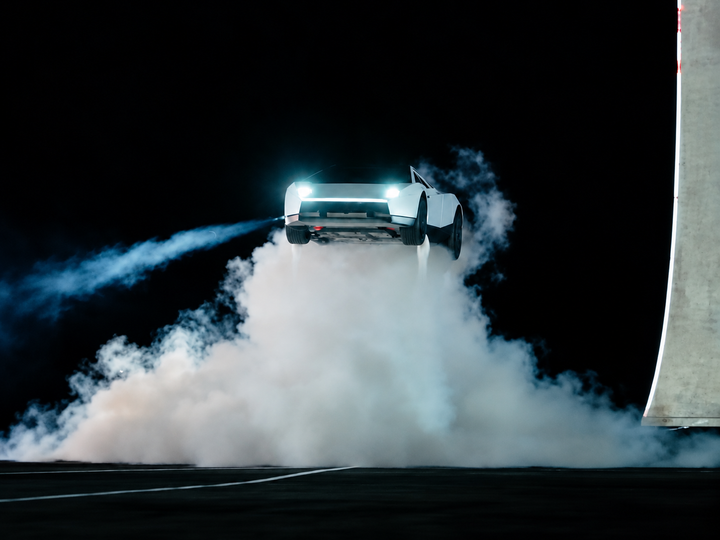
Tesla has officially launched its purpose-built Cybercab robotaxi in Austin, offering paying rides in a two-seat autonomous vehicle with no steering wheel or pedals.
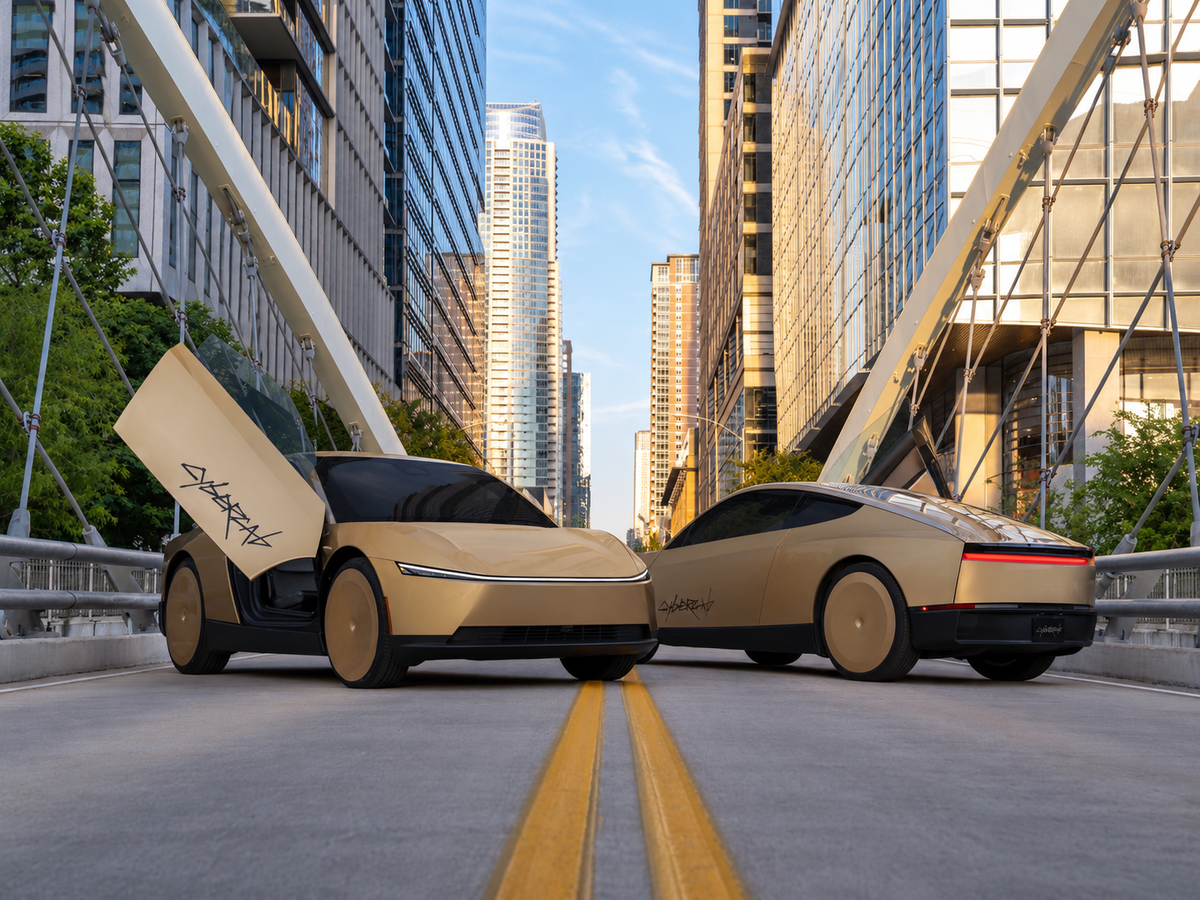
Tesla has officially launched its long-awaited Cybercab in Austin, Texas, moving its robotaxi ambitions from modified Model Ys to a purpose-built autonomous vehicle with no steering wheel, no pedals and no side mirrors. The September 3 event marked the first time paying passengers could ride in the two-seat Cybercab as part of Tesla’s commercial robotaxi network.
The Cybercab is central to Elon Musk’s argument that Tesla’s future is less about selling cars and more about autonomous transport. Unlike rivals such as Waymo and Zoox, Tesla continues to rely primarily on cameras and artificial intelligence rather than lidar-heavy sensor systems. Musk has repeatedly argued that this approach will ultimately allow Tesla to deploy robotaxis more cheaply and at much greater scale.
For now, however, the rollout remains small. Only 45 Cybercabs are currently registered in Texas, while Tesla’s broader autonomous fleet remains far smaller than Waymo’s. The launch also offered fewer concrete details than investors had hoped for, including no clear timeline for large-scale deployment or public sales of the vehicle.
The biggest issue may be regulation. Just one day after commercial Cybercab rides began, the U.S. National Highway Traffic Safety Administration opened an audit into Tesla’s self-certification of the vehicle. Federal safety standards were largely written around cars with human controls, meaning a vehicle without a steering wheel or pedals presents an unusual regulatory test. Tesla maintains that the Cybercab complies with applicable rules and has not sought a special exemption.
That tension captures the importance of the launch. Tesla is no longer simply promising a robotaxi future; it is now putting a vehicle designed exclusively for autonomous operation onto public roads with paying passengers. But whether Cybercab becomes a mass-market transportation platform will depend on whether Tesla can prove its technology is safe, scale its fleet quickly and navigate regulators that are only beginning to confront vehicles designed without a human driver at all.