The U.S. and Iran Hold Three-Hour Meeting in New York as Trump Says Another Round Is Already Planned
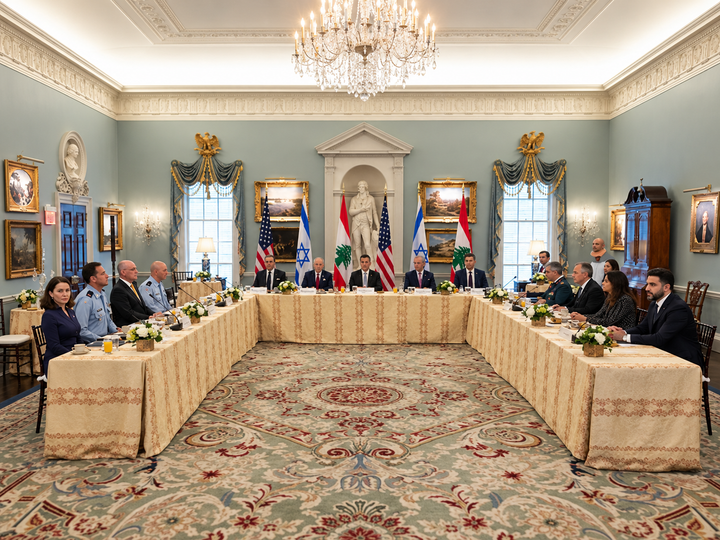
Senior U.S. and Iranian officials held a three-hour meeting in New York, with Steve Witkoff and Jared Kushner meeting Iran’s Foreign Minister Abbas Araghchi on the sidelines of the U.N. General Assembly.
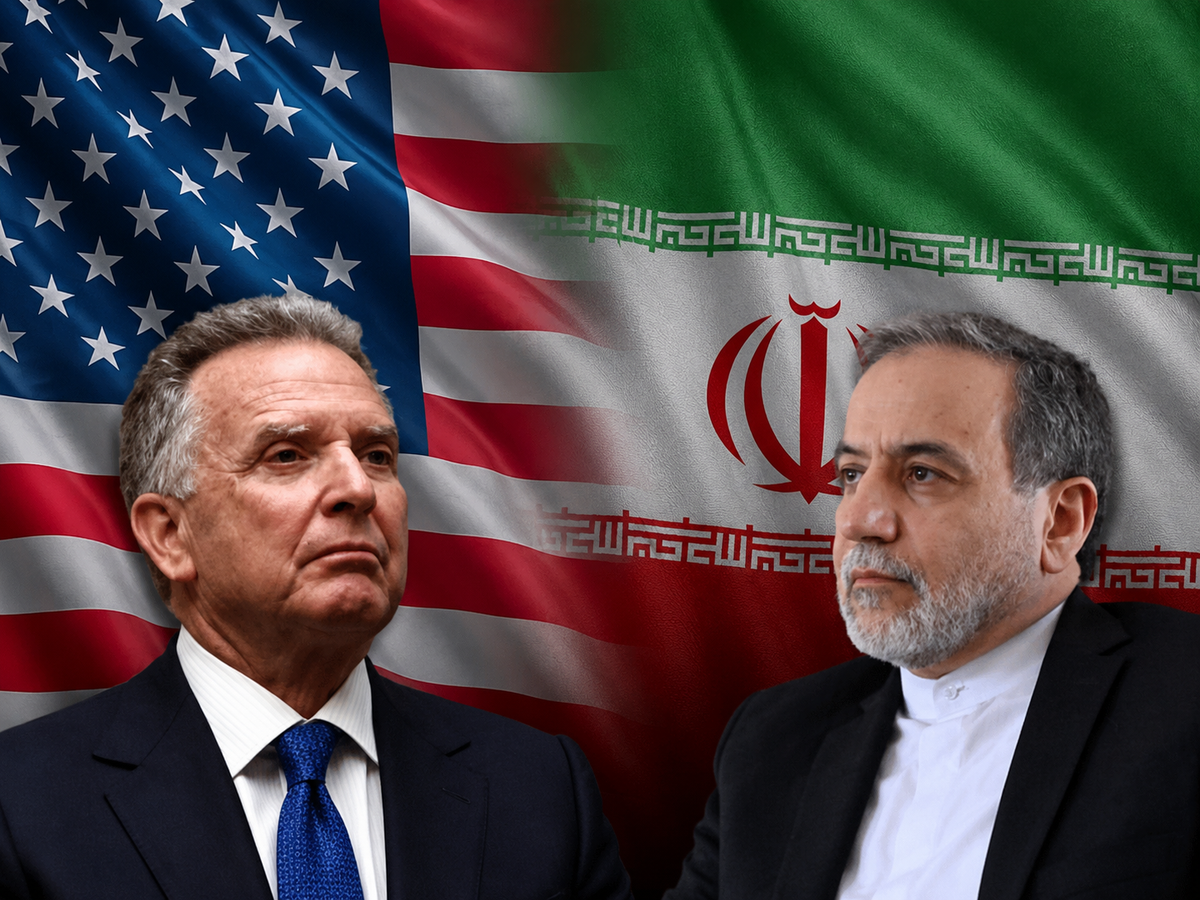
The United States and Iran have held their most significant direct talks in months, with senior officials meeting for roughly three hours in New York on the sidelines of the United Nations General Assembly.
President Donald Trump said the meeting was “very good” and “very productive,” adding that another round of talks had already been scheduled for the near future. His envoys Steve Witkoff and Jared Kushner took part in the discussions.
Iranian state television later confirmed that Foreign Minister Abbas Araghchi had met Witkoff and said Tehran had presented its conditions for moving diplomacy forward.
The meeting focused heavily on the Strait of Hormuz, where months of confrontation have disrupted global energy markets and raised the risk of a wider regional war.
Iran has indicated that it could reopen the strait within seven days if Washington eases military pressure and lifts its blockade on Iranian ports. A senior Iranian official told Reuters that Tehran’s delegation in New York has full authority to pursue negotiations.
Iranian state media has also reported that Tehran is seeking the release of frozen Iranian assets and an end to military pressure across what it describes as the wider “resistance” front as part of any broader agreement.
No final agreement was reached during the three-hour session.
But the fact that senior American and Iranian officials were willing to sit together directly is itself significant after months of war, sanctions, threats and indirect messages transmitted through regional intermediaries.
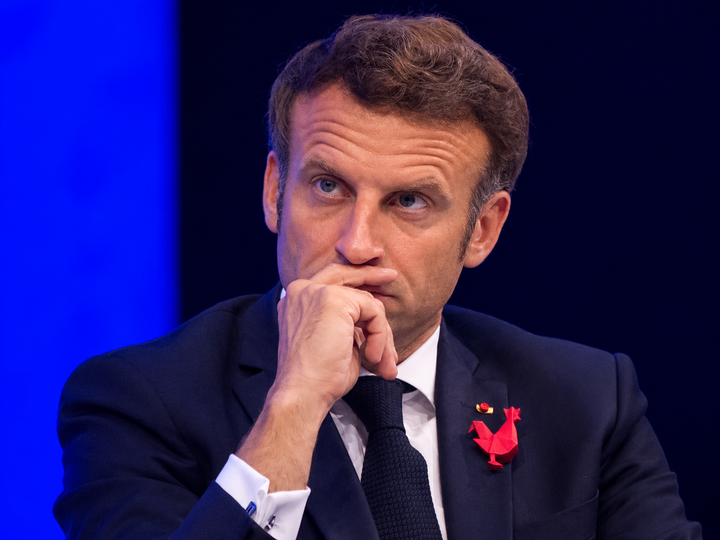
Trump sounded unusually optimistic afterward.
He said there was “a lot of momentum” toward a deal and predicted that “a settlement is going to be reached.” He also suggested that progress could come sooner than he had previously expected.
That optimism remains balanced by military pressure.
Only hours earlier, Trump used his U.N. speech to repeat that the United States would not allow Iran to obtain a nuclear weapon and warned Tehran that failure to reach an agreement could bring further military consequences.
Iran has responded with threats of its own.
Iranian military officials continue to warn that any new U.S. or Israeli attacks could trigger a much larger retaliation. Tehran has also maintained that control over Hormuz remains one of its most important forms of leverage.
So the two sides are negotiating while simultaneously threatening one another.
That is what makes the New York meeting important.
The U.S.-Iran conflict has increasingly become a war of both military pressure and economic leverage. Washington is trying to force Tehran toward a nuclear and regional security agreement. Iran is using its influence over Hormuz, regional militias and energy flows to raise the cost of continued confrontation.
The Strait of Hormuz sits at the center of that bargaining.
A reopening would immediately ease pressure on global oil markets. The strait remains one of the most important energy chokepoints in the world, and any credible reduction in risk could push oil prices lower and relieve some of the inflationary pressure currently affecting the United States, Europe and the Middle East.
Regional governments are also pushing hard for diplomacy.
Qatar, Saudi Arabia, Egypt, Pakistan and Türkiye have all backed renewed dialogue, while Qatar has played a particularly active role as a mediator. Qatari Prime Minister Sheikh Mohammed bin Abdulrahman Al Thani reportedly attended much of the New York meeting.
For Gulf states, the incentive is obvious.
A prolonged U.S.-Iran war threatens energy exports, shipping, investment and domestic security across the entire region. Saudi Arabia has already faced attacks on its infrastructure, while the Houthis have intensified pressure around the Red Sea and Bab el-Mandeb.
A U.S.-Iran agreement would not automatically resolve those conflicts, but it could remove the central confrontation driving much of the current instability.
There is still a long way to go.
The two sides remain divided over Iran’s nuclear program, sanctions relief, regional armed groups, frozen assets, shipping restrictions and the broader question of U.S. military pressure.
Iranian President Masoud Pezeshkian is also in New York for the General Assembly, but Reuters reported that he does not currently plan to meet Trump directly.
That means the diplomatic process is still operating primarily through envoys rather than at presidential level.
Still, the direction has changed.
Only days ago, discussion centered on whether Trump might meet Pezeshkian at all.
Now, senior U.S. and Iranian officials have already held a three-hour meeting, Tehran has delivered concrete terms, Washington says the talks were productive, and another round is planned.
After months in which diplomacy appeared largely frozen, the channel is open again.
The next meeting will show whether this was simply exploratory contact or the beginning of a serious effort to end one of the most dangerous conflicts in the region.