Trump Suspends New Russia Sanctions as Energy Crisis Reshapes U.S. Policy
Donald Trump has suspended a sweeping new package of sanctions and tariffs against Russia for 60 days, just before they were due to take effect under legislation passed overwhelmingly by Congress.
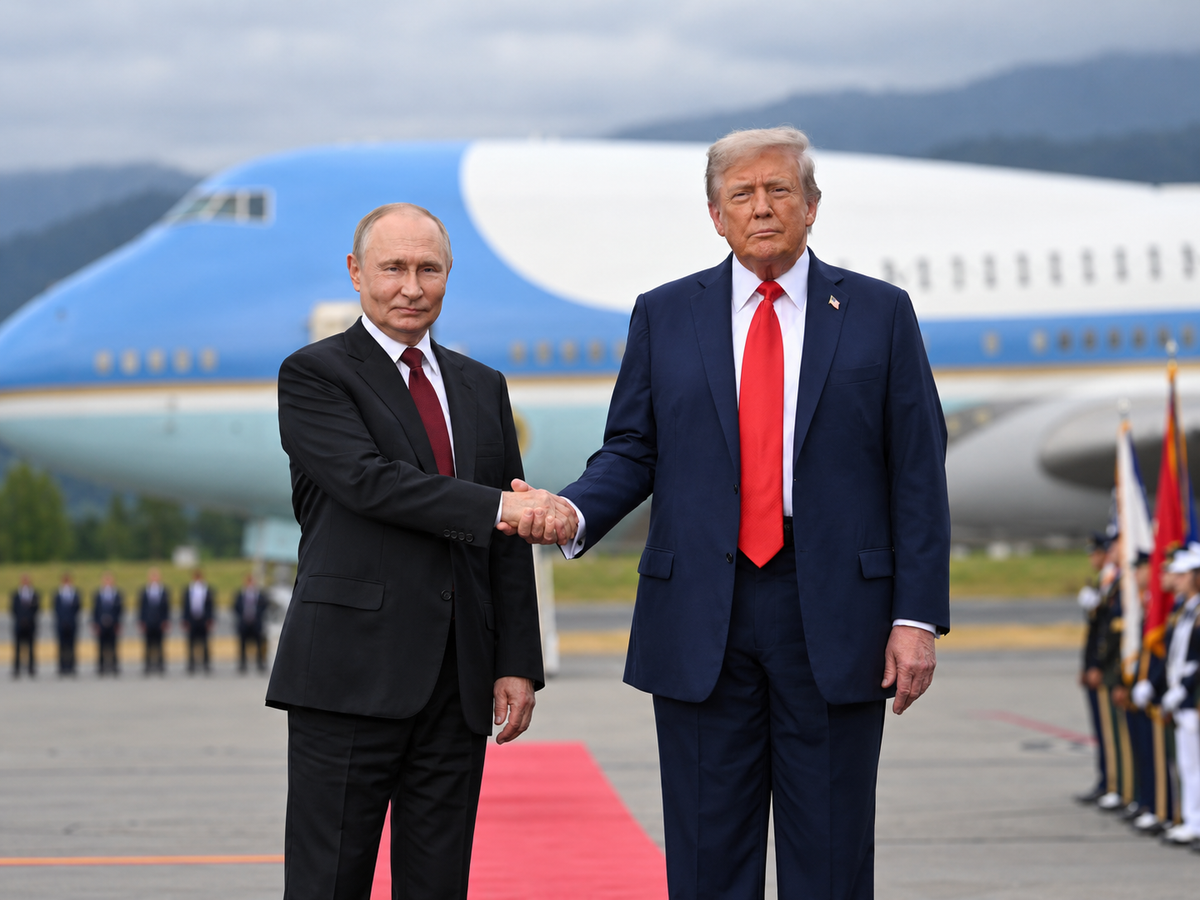
Donald Trump has put sweeping new sanctions on Russia on hold for 60 days, delaying penalties that were supposed to sharply increase the economic cost of Moscow’s war in Ukraine.
The decision came just before the measures were due to take effect under the Lindsey O. Graham Sanctioning Russia and Iran Act, legislation passed with broad bipartisan support and signed by Trump last month.
The law was designed to hit Russia where it hurts most.
Its provisions targeted Russian officials, banks, energy traders and the shadow fleet helping Moscow continue exporting oil. It also authorized tariffs of up to 100% on major countries continuing to buy Russian oil and gas.
Trump has now waived many of those measures.
Secretary of State Marco Rubio said the administration will use the next 60 days to assess the sanctions’ economic consequences, particularly their impact on global energy markets and countries heavily dependent on Russian oil.
That explanation reveals how dramatically the global energy crisis is beginning to reshape American foreign policy.
Washington still wants Russia economically constrained over Ukraine.
But it also wants lower oil and diesel prices.
Those two objectives are increasingly colliding.
The Middle East war has already tightened energy markets. Iran is disrupting shipping around the Strait of Hormuz. The Houthis are attacking Saudi infrastructure. Diesel inventories are strained. Oil remains expensive.
At the same time, Ukrainian attacks on Russian refineries have reduced Russian fuel production and contributed to tighter supply.
Trump is now choosing to prioritize energy stability, at least temporarily.
That shift became obvious earlier this month when Washington reached a deal with Moscow to allow large volumes of Russian diesel back into global markets.
Trump said Russia would immediately provide 300,000 metric tons of diesel, followed by another 500,000 tons in November and one million tons shortly afterward.
Now the administration has gone further.
Instead of merely creating an exception for diesel, Trump has paused an entire package of new sanctions that Congress designed to squeeze Russian energy revenues.
The timing matters.
The United States is less than three weeks away from the November 3 midterm elections.
Energy prices and inflation have become major political problems.
U.S. inflation has climbed to 3.7%, while diesel and gasoline costs have risen sharply because of global supply disruptions.
Trump has repeatedly blamed attacks on energy infrastructure for pushing prices higher.
His administration has also pressured Ukraine to reduce strikes on Russian refineries, arguing that they are contributing to the global fuel shortage.
The economic logic is straightforward.
If sanctions reduce Russian exports, global supply becomes tighter.
If Ukraine destroys Russian refining capacity, diesel becomes scarcer.
If Middle East producers are simultaneously struggling to move energy safely through major shipping routes, the pressure becomes even greater.
The result is higher prices for American consumers.
Trump appears increasingly unwilling to accept that cost simply to maintain maximum economic pressure on Moscow.
That is a major departure from the strategy pursued by Washington for much of the Ukraine war.
For years, the basic idea was to limit Russia’s ability to earn money from energy while maintaining Western support for Kyiv.
Sanctions targeted banks.
Russian oil faced restrictions.
Shipping networks were blacklisted.
Western companies withdrew.
Countries continuing to buy Russian energy were threatened with additional penalties.
The new Graham Act was supposed to push that strategy significantly further.
Instead, Trump has paused it before it even fully began.
Ukraine reacted angrily.
President Volodymyr Zelensky called the waiver a mistake and warned that reducing economic pressure on Moscow would encourage Vladimir Putin to continue the war.
Russia welcomed the move.
Kirill Dmitriev, Moscow’s investment envoy, described the decision as a turning point in economic relations between the United States and Russia.
Congress is also furious.
The sanctions bill passed with strong bipartisan support, and both Republican and Democratic lawmakers have criticized Trump’s decision to waive measures they had only recently approved.
Several senators had already urged him to abandon the Russian diesel agreement, arguing that American purchases would send money back to Moscow while Russia continues attacking Ukraine.
The controversy exposes a deeper contradiction in Western strategy.
Sanctions are designed to impose economic pain.
But successful sanctions rarely impose pain only on the target.
Russia remains one of the world’s largest energy producers.
Restrict its exports and global supply tightens.
Global supply tightens and energy prices rise.
Higher energy prices then hurt the same Western economies imposing the sanctions.
For years, relatively stable energy markets allowed Washington and Europe to manage that trade-off.
The Middle East war has made it much harder.
The United States is now dealing simultaneously with conflict involving Iran, disrupted Gulf shipping, Houthi attacks on Saudi infrastructure and continuing war in Ukraine.
Every barrel matters more.
That is why Russian oil and diesel, once treated primarily as a source of Kremlin revenue to be restricted, are increasingly being treated again as commodities the global economy needs.
Trump has always approached sanctions differently from much of Washington’s foreign-policy establishment.
He tends to view them as bargaining tools rather than permanent moral commitments.
If a sanction creates more economic pain for Americans than strategic leverage against an adversary, he is willing to reconsider it.
The next 60 days will show whether this is truly a temporary pause.
If energy markets stabilize, Trump could allow the sanctions to take effect later.
If oil and diesel remain expensive, the political incentive will be to delay them again.
And if Washington ultimately concludes that Russian supply is necessary to keep global energy prices under control, the entire Western sanctions strategy toward Moscow may have to be reconsidered.
That would be a remarkable reversal.
The United States spent years trying to isolate Russian energy.
Now a wider global energy crisis is forcing Washington to decide how much economic pressure on Moscow it can actually afford.