FBI Art Crime Team Returns Three Roman-Era Artifacts to Lebanon
The FBI’s Art Crime Team has returned three Roman-era sarcophagus fragments to Lebanon after investigators determined they were likely looted from illicit excavations in or around Tyre and smuggled abroad.
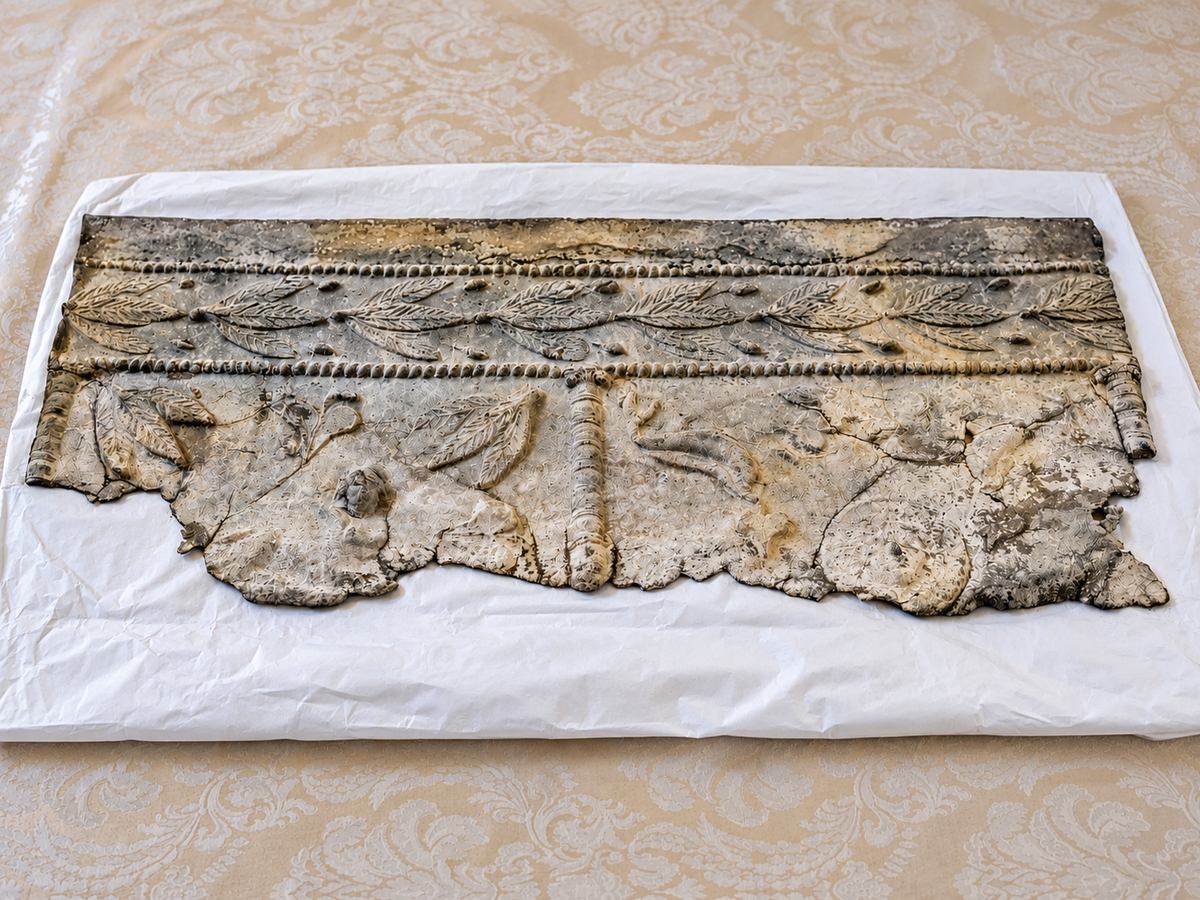
The FBI’s Art Crime Team has returned three ancient Lebanese artifacts believed to have been looted from the area around Tyre and illegally removed from the country. The objects were formally handed over to Lebanese representatives during a ceremony in New York on September 2.
The artifacts are lead sarcophagus fragments dating to the 2nd and 3rd centuries A.D. Their design and craftsmanship are characteristic of workshops in ancient Tyre, allowing experts to identify them as part of Lebanon’s cultural heritage. Investigators believe the fragments originated from illicit excavations in or around the southern Lebanese city before being trafficked abroad.
The repatriation was carried out through cooperation between U.S. and Lebanese authorities as part of a broader effort to combat the trafficking of antiquities. Lebanon has prohibited unauthorized excavation, sale and export of archaeological objects since 1933, but decades of conflict and weak enforcement have allowed significant numbers of artifacts to leave the country illegally.
FBI officials framed the return as part of a wider campaign against international art crime, which includes looting, theft, fraud and trafficking. James Barnacle, head of the FBI’s New York field office, said illicit trafficking not only strips countries of their heritage but also supports criminal networks.
This is not the first time the FBI has returned Lebanese antiquities. In 2018, U.S. authorities repatriated a ceremonial bronze axe originating from Byblos, showing that cooperation between the two countries on cultural-property cases has been developing for years.
For Lebanon, the return is significant beyond the three objects themselves. It represents another step in recovering pieces of the country’s archaeological history that were dispersed through illegal excavation and the international antiquities trade.