Israel Reportedly Prepares Offensive Reaching Saida, With Naval Blockade of Beirut and Tripoli Also Under Consideration
Israeli newspaper Maariv reports that Israel is preparing plans to occupy Saida, Tyre and Nabatieh if Hezbollah joins another war involving Iran. The Israeli Navy could also strike Beirut's southern suburbs and impose a blockade on the ports of Beirut and Tripoli.
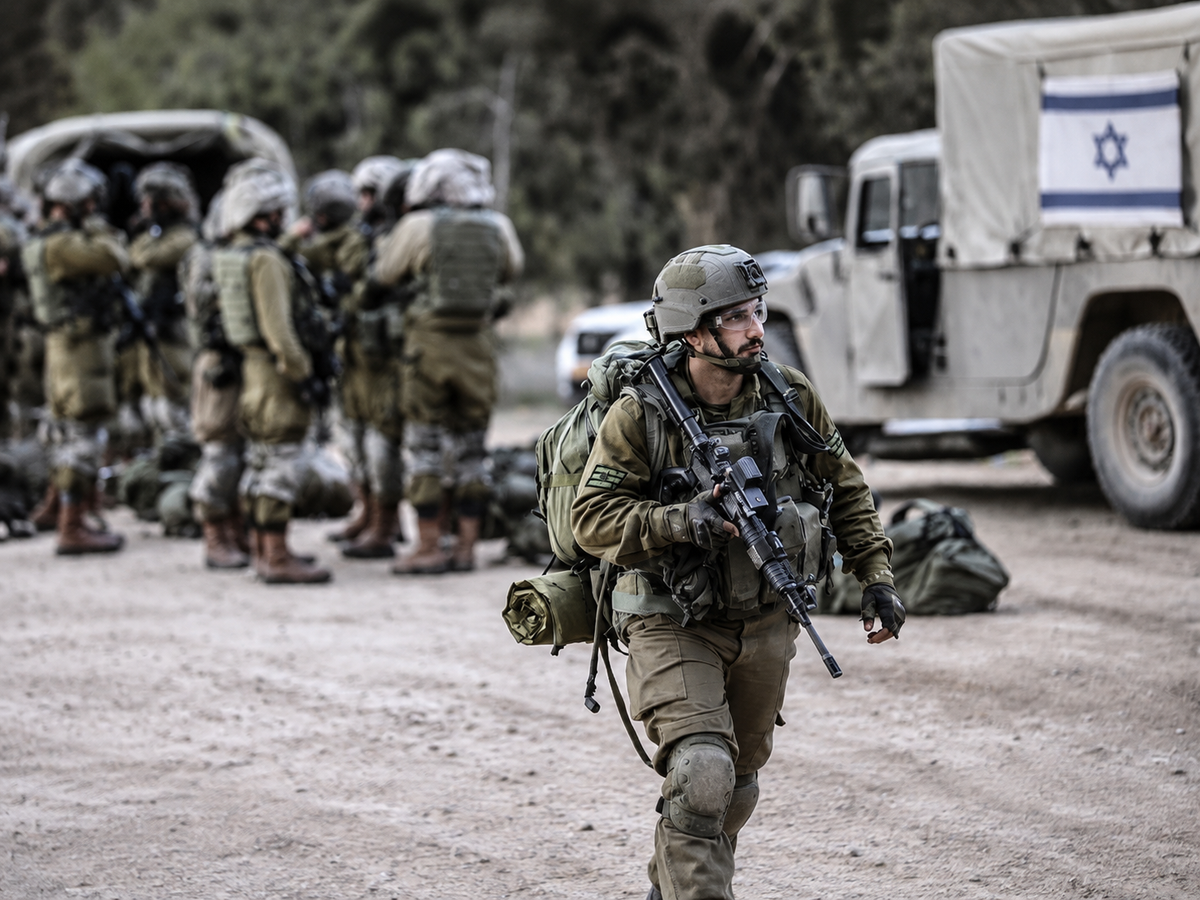
Israel is reportedly preparing a major military offensive that could extend as far as Saida, with plans to occupy three southern Lebanese cities and potentially impose a naval blockade on Beirut and Tripoli if Hezbollah enters another war involving Iran.
According to Israeli newspaper Maariv, the military is considering operations to seize Saida, Tyre and Nabatieh, accompanied by intensive bombardment across southern Lebanon and Beirut's southern suburbs.
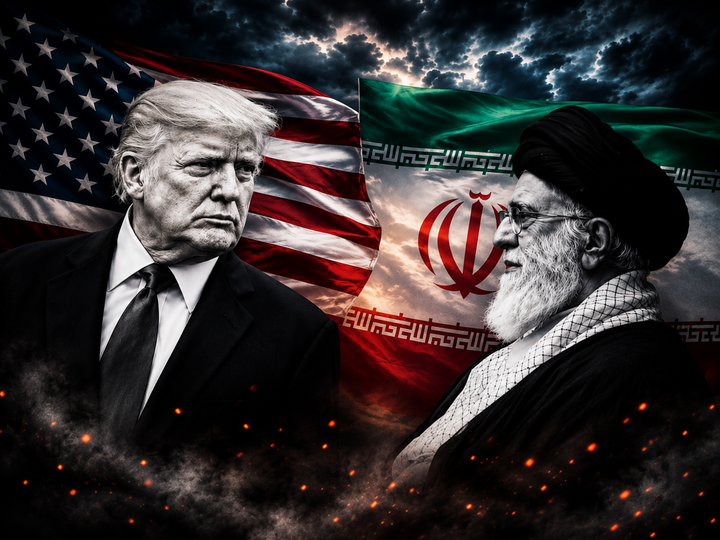
The report, published November 1, comes as tensions between Washington and Tehran intensify, raising fears that Hezbollah could once again drag Lebanon into a regional confrontation.
The reported plans are conditional. Israel has not publicly confirmed that an offensive against these cities has been authorized or ordered.
An Offensive Far Beyond the Border
The scale of the reported operation would represent a significant expansion of Israel's military presence in Lebanon.
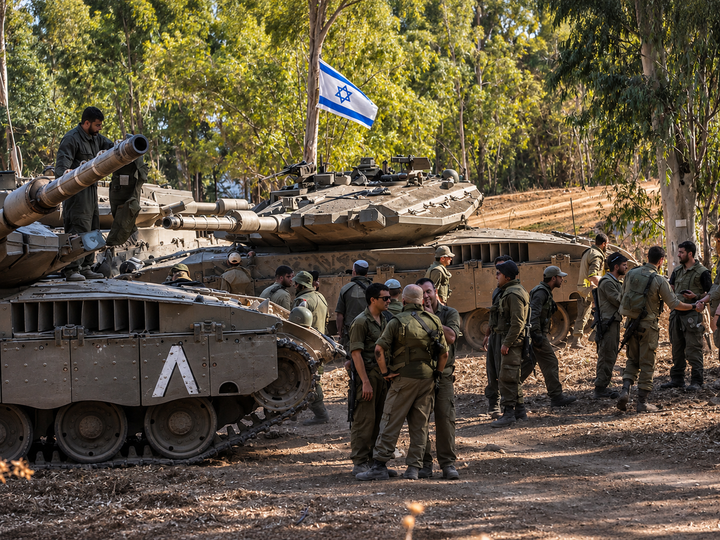
Israeli forces already control positions across southern Lebanon, with operations concentrated around strategic heights, border villages and areas near the Litani River.
Advancing toward Saida would bring Israeli ground forces considerably farther north, threatening one of Lebanon's largest coastal cities.
Tyre and Nabatieh would also become major objectives.
According to Maariv, Israeli military planners are preparing for the possibility that Hezbollah launches attacks if another confrontation erupts between Iran and Israel.
The newspaper reported that Israel would respond with overwhelming military force rather than another limited operation.
The reported strategy appears designed to impose consequences substantially greater than those of the previous conflict.
But capturing and holding major Lebanese cities would require extensive military resources and could cause enormous civilian displacement.
Beirut and Tripoli Could Face a Naval Blockade
The plans reportedly extend beyond ground operations.
Maariv indicated that the Israeli Navy is preparing for a larger role because the air force could be heavily engaged in operations against Iran.
Israeli naval forces could conduct strikes deep inside Lebanon, intensify bombardment against Beirut's southern suburbs and potentially blockade the ports of Beirut and Tripoli.
Such a blockade would have serious economic consequences.
Lebanon depends heavily on maritime imports for essential goods, fuel and commercial supplies.
Restricting access to its major ports could disrupt trade, increase prices and place additional pressure on an economy still struggling to recover from years of financial collapse and war.
A naval blockade would also raise significant legal and humanitarian questions, particularly concerning access to essential civilian supplies.
Hezbollah's Iranian Connection Returns to the Center
The Israeli report follows contradictory signals from Hezbollah.
The organization reportedly assured Parliament Speaker Nabih Berri that it would not intervene in another war involving Iran.
Tehran also reportedly communicated that it would not request Hezbollah's military assistance.
But Hezbollah made similar assurances before the March escalation, only to launch attacks against Israel after the war involving Iran began.
More recently, Reuters reported that Hezbollah had received tens of millions of dollars from Tehran to rebuild its military capabilities.
Those efforts reportedly include manufacturing attack drones, acquiring explosives and restoring damaged command structures.
Hezbollah's latest assurances therefore exist alongside continued military preparations.
Rearmament does not establish that another intervention is planned, but it leaves the organization with the capacity to make that decision independently of the Lebanese government.
For Lebanon, that remains the central problem.
Why should millions of Lebanese citizens face the possibility of another devastating war because Hezbollah decides to intervene on Iran's behalf?
Israeli Attacks Are Already Intensifying
The reported preparations coincide with increased Israeli military activity in southern Lebanon.
According to L'Orient Today, Israeli bombardment intensified over the weekend, with strikes, artillery fire and controlled demolitions reported across numerous southern villages.
Among the affected areas were Bani Hayan, Wadi Slouqi, Aitaroun, Khiam and locations around Nabatieh.
The escalation follows earlier warnings by Israeli Defense Minister Israel Katz that additional Lebanese territory could be incorporated into Israel's security zone if Hezbollah joined another Iranian confrontation.
The threats have fueled concerns that Israel could pursue a much deeper and longer-lasting military occupation.
Meanwhile, American-mediated negotiations over Israeli withdrawal and the deployment of the Lebanese Army have yet to resolve the dispute.
Lebanon Cannot Afford Another War
The situation places President Joseph Aoun and Prime Minister Nawaf Salam under renewed pressure.
Their government has committed itself to restoring exclusive state authority over weapons and decisions of war and peace.
Yet Hezbollah continues rejecting disarmament while maintaining its military relationship with Tehran.
Israel, meanwhile, is threatening operations that could devastate additional Lebanese communities and undermine efforts to stabilize the border.
Both developments threaten Lebanon's sovereignty.
The government must be able to prevent an armed organization from independently launching attacks from Lebanese territory.
But Israeli security concerns cannot automatically justify indefinite occupation or the seizure of additional Lebanese cities.
The reported plans remain contingency scenarios, not confirmation of an imminent ground invasion.
Nevertheless, their implications are serious.
Lebanon has already endured extensive destruction, displacement and economic disruption.
An offensive reaching Saida, combined with a blockade of Beirut and Tripoli, could expand the consequences of another war across the entire country.
And once again, the decision that could trigger that confrontation may rest with Hezbollah rather than the Lebanese state.