Israel Threatens Deeper Incursion Into Lebanon as Diplomatic Efforts Stall
Fears of renewed war are growing in southern Lebanon as Israel threatens a deeper ground offensive, Hezbollah reportedly rebuilds its military capabilities, and US-mediated negotiations remain deadlocked.
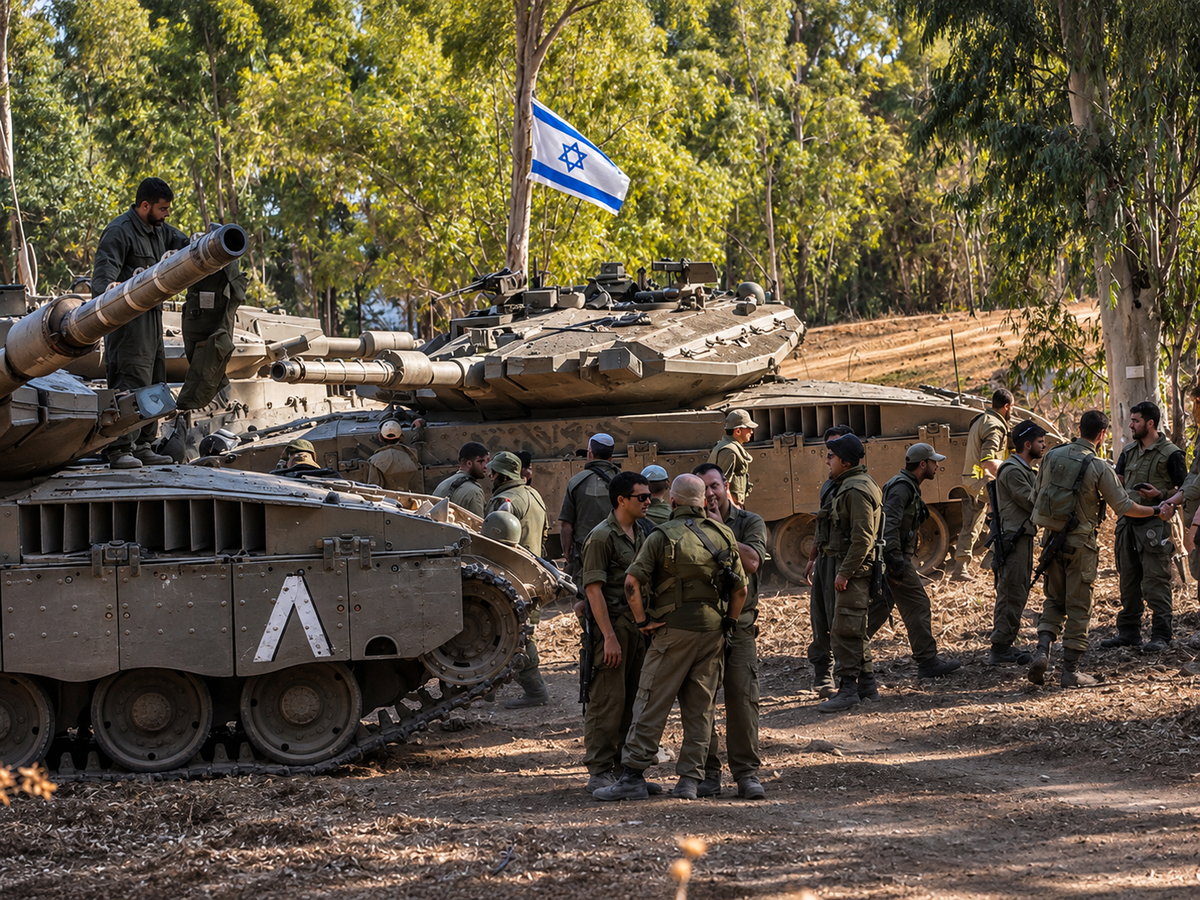
Fears of another major military escalation in southern Lebanon are intensifying as Israel threatens to expand its ground operations, Hezbollah reportedly prepares for renewed fighting, and US-mediated negotiations struggle to produce a breakthrough. The deteriorating security environment has placed Lebanon's diplomatic efforts under increasing pressure, raising concerns that the country could once again become a major battlefield in the wider confrontation between Israel and Iran.
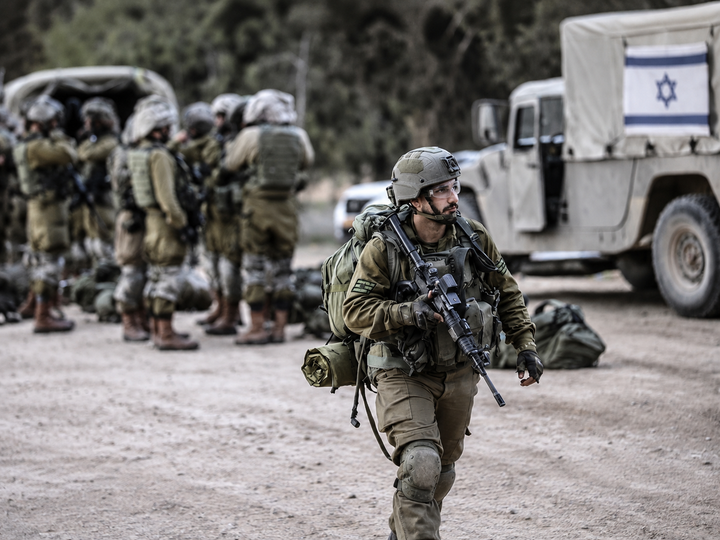
The latest warnings come as Israeli forces continue operating inside Lebanese territory despite the June 26 framework agreement intended to end hostilities. Israeli military operations and demolitions have continued across parts of the south, while Hezbollah has refused to surrender its weapons and insists that any discussion of disarmament must follow a complete Israeli withdrawal.
The United Nations has warned that Lebanon risks remaining trapped in a prolonged political and security stalemate, with military developments threatening to outpace diplomatic efforts.
Israel Warns of a Wider Ground Offensive
Israeli officials have increasingly threatened to expand military operations if Hezbollah resumes attacks in support of Iran.
According to a November 1 report by L'Orient Today, citing Israel's Maariv newspaper, Israeli military planners have considered operations extending toward Tyre, Sidon and Nabatieh in the event of renewed hostilities.
The reported scenarios also include intensified bombardment of Beirut's southern suburbs and the possibility of naval restrictions affecting Lebanon's ports.
These are reported contingency plans and threats, not confirmation that Israel has ordered or begun such an offensive.
Nevertheless, the warnings have been accompanied by continued military activity in southern Lebanon, including explosions and strikes reported around the beginning of November.
On November 4, an Israeli drone strike killed one person travelling on a motorcycle near Qabrikha, in the Marjayoun district, according to L'Orient Today. The outlet described it as a rare targeted strike outside the zone Israel currently claims to control.
Hezbollah Reportedly Rebuilding Its Military Capabilities
The prospect of renewed fighting has been amplified by reports that Hezbollah has spent months replenishing its military capabilities.
On October 26, Reuters reported that the Iran-backed organization had spent approximately three months preparing for another possible confrontation with Israel, citing Lebanese security sources.
The preparations reportedly included acquiring explosives, developing attack drones, rebuilding weapons stockpiles and restoring damaged command-and-control networks.
The report also indicated that Hezbollah had received tens of millions of dollars in additional military funding from Iran, separate from approximately $200 million reportedly allocated to support displaced families.
Hezbollah remains significantly weakened by successive wars, having suffered substantial losses among its leadership, fighters and military infrastructure. Its ongoing efforts to rebuild, however, complicate attempts to secure a lasting ceasefire.
The group's refusal to disarm remains one of the principal obstacles to an agreement.
Israel insists that Lebanese state institutions must prevent Hezbollah from rebuilding its military capabilities, while Hezbollah maintains that its weapons remain necessary as long as Israeli forces occupy Lebanese territory.
This disagreement has left the Lebanese government caught between international demands to establish a state monopoly over weapons and the risk of confrontation with an armed organization operating outside its authority.
Diplomatic Talks Reach Another Deadlock
Lebanon and Israel signed a US-brokered framework on June 26 intended to establish a path toward ending the latest war.
The agreement envisaged a gradual transfer of security responsibilities in southern Lebanon to the Lebanese Armed Forces, alongside verified measures addressing non-state armed groups and a phased Israeli withdrawal.
However, implementation has stalled over disagreements concerning the order of these steps and the mechanism for verifying compliance.
Negotiations held in Rome during the summer failed to resolve several outstanding questions.
A further round of military-level talks, held in Florida on October 20 and 21, also ended without a major breakthrough.
According to the November forecast published by Security Council Report, the central dispute remains unchanged: Israel conditions withdrawal on demonstrable progress toward Hezbollah's disarmament, while Hezbollah refuses to discuss surrendering its weapons before Israeli forces leave Lebanese territory.
Reports following the Florida meetings suggested that Washington was increasingly frustrated by the lack of progress and might seek to reduce its direct mediation role.
Diplomatic sources cited by Naharnet described the discussions as particularly unsuccessful and warned of possible political and security escalation. These assessments have not been independently confirmed as an official American position.
Lebanon Attempts to Prevent Another War
President Joseph Aoun and Prime Minister Nawaf Salam have intensified diplomatic contacts in an effort to prevent Lebanon from being drawn into another regional confrontation.
Beirut has sought support from Washington, Paris, Doha and the United Nations while emphasizing the need to strengthen Lebanese state authority and secure an Israeli withdrawal.
The Lebanese leadership faces a difficult balancing act.
It has committed to extending government control across the country and bringing weapons under state authority, yet it lacks a mutually accepted mechanism for disarming Hezbollah without risking internal conflict.
At the same time, continued Israeli strikes and military occupation weaken the government's ability to demonstrate that diplomacy can secure Lebanon's sovereignty.
On November 4, Salam publicly warned Hezbollah against undertaking another military escalation that could expose the country to further destruction, according to L'Orient Today.
The warnings reflect a broader concern among Lebanese officials that another decision by Hezbollah to enter a regional conflict could impose devastating consequences on a country still struggling to recover from previous wars.
UNIFIL's Withdrawal Adds Another Layer of Uncertainty
The diplomatic stalemate is becoming more urgent as the United Nations Interim Force in Lebanon (UNIFIL) approaches the scheduled termination of its mandate on December 31, 2026.
Under Security Council Resolution 2790, the peacekeeping mission is expected to begin withdrawing after nearly five decades in southern Lebanon.
The prospect of its departure has raised concerns about a possible security vacuum, particularly as Israeli forces remain in Lebanese territory and the Lebanese Army faces significant operational challenges.
France and other Security Council members have explored alternative monitoring arrangements, including a smaller international observer mission that could help support Lebanese state authority and maintain communication along the Blue Line.
However, no definitive replacement mechanism has been agreed upon.
The United States has shown little willingness to reconsider UNIFIL's scheduled withdrawal, according to Security Council Report, further complicating efforts to establish a functioning international security arrangement.
Without effective monitoring and enforcement, the departure of international peacekeepers could further increase the risk of miscalculation between Israeli and Hezbollah forces.
The Iran Conflict Could Determine Lebanon's Fate
The greatest immediate risk may originate outside Lebanon.
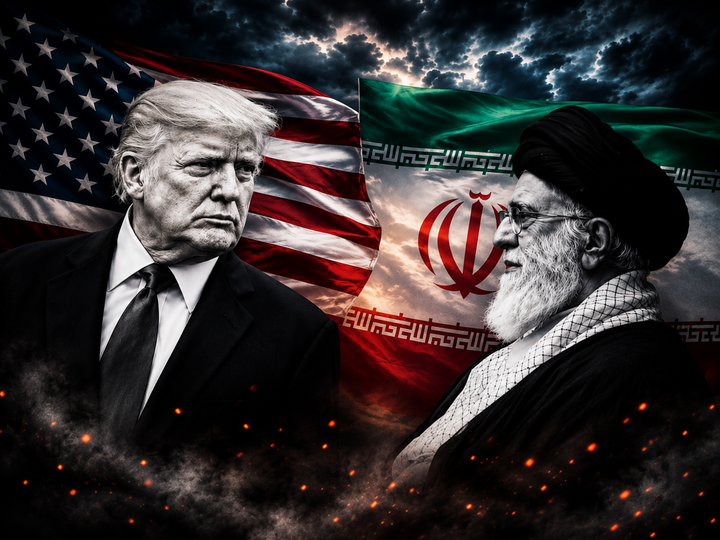
The possibility of renewed American or Israeli military action against Iran has raised concerns that Hezbollah could once again enter the conflict in support of Tehran, repeating its decision of March 2.
Indirect negotiations between Washington and Tehran continued through Qatari mediation in early November, but discussions ended without a breakthrough.
Iranian officials have warned of broader retaliation if hostilities resume, while Washington has continued to signal that military options remain available.
For Lebanon, the danger is that another breakdown in US-Iranian diplomacy could trigger an escalation along its southern border before Beirut can secure meaningful progress in its own negotiations.
The country has already suffered extensive destruction, mass displacement and severe economic losses from successive conflicts.
Another major confrontation would further undermine reconstruction efforts, weaken public institutions and threaten communities that have only recently begun returning to their homes.
A Country Running Out of Diplomatic Options
Lebanon's predicament is increasingly defined by decisions it cannot fully control.
Israel continues to insist on security guarantees and Hezbollah's disarmament before withdrawing from occupied Lebanese territory. Hezbollah refuses to surrender its weapons while presenting Israeli military operations as justification for maintaining its arsenal. Meanwhile, negotiations involving Iran and the United States remain unresolved.
The Lebanese government has attempted to pursue diplomacy while strengthening its own security institutions, but the absence of tangible progress has left the country exposed to another round of fighting.
A lasting settlement would require enforceable security arrangements, an Israeli withdrawal, effective Lebanese state authority and a resolution of Hezbollah's armed status.
Until those conditions are addressed, even a temporary reduction in hostilities cannot guarantee stability.
The central danger is that Lebanon could once again find itself paying the price for a regional confrontation that its government neither initiated nor has the power to end.