Lebanese Cuisine Ranks Among the Arab World’s Best
Lebanese cuisine has once again ranked among the best in the Arab world, reinforcing its position as one of Lebanon’s most successful cultural exports.
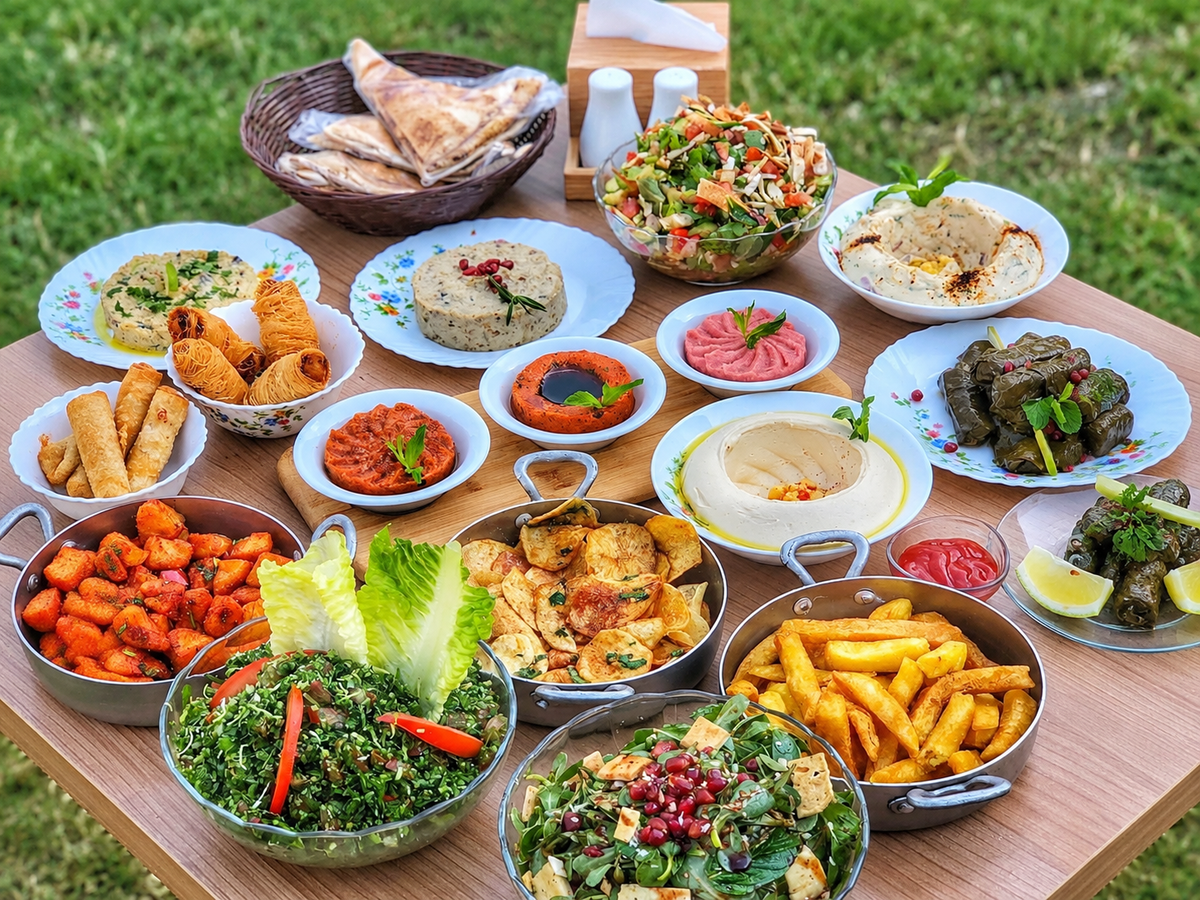
Lebanese cuisine has once again been recognized among the strongest culinary traditions in the region, ranking second in the Arab world in a widely shared TasteAtlas-based ranking. The result reflects the international popularity of a cuisine built around mezze, grilled meats, fresh herbs, olive oil, breads and dishes such as kibbeh, tabbouleh, hummus, manakish and shawarma.
Lebanon’s food has become one of the country’s most successful cultural exports. Waves of Lebanese migration have taken the cuisine across Europe, the Americas, Africa, Australia and the Gulf, creating restaurant communities that introduced dishes once associated with Beirut, Tripoli, Zahle and the mountains to diners around the world.
That international reach has also helped turn Lebanese cuisine into a form of soft power. Unlike many aspects of Lebanon’s image abroad, its food is overwhelmingly associated with hospitality, abundance and social gatherings. The Lebanese table itself — often built around multiple shared plates rather than a single main course — has become instantly recognizable far beyond the country.
The ranking should be viewed as a snapshot rather than an objective verdict. TasteAtlas itself says its lists are based on user ratings and are intended to encourage interest in traditional foods rather than establish a definitive hierarchy of world cuisines. Its current 2025–26 awards actually place Lebanon 20th globally and first among Arab cuisines, showing how rankings can shift depending on the edition and methodology.
Still, Lebanon’s consistently strong performance is notable. In the latest TasteAtlas global ranking, Lebanese cuisine holds a rating of 4.34, with dishes such as toum, shishbarak, shawarma, kunafa and sfiha among its highest-rated foods.
For a country whose international headlines are often dominated by political crisis, war and economic collapse, food remains one of Lebanon’s most enduring success stories.
From neighborhood bakeries serving manakish to Lebanese restaurants operating in cities around the world, the cuisine has managed to retain a strong identity while adapting easily to different markets and cultures.
In many ways, Lebanese food has become one of the country’s most recognizable global brands — exported not by government strategy, but by generations of Lebanese who carried their recipes with them.