Lebanon Approves $100 Million for EDL and $20 Million for Solar Energy Loans
Lebanon's Parliament has approved $120 million in additional electricity-related funding, including $100 million to cover part of the unpaid bills owed by public institutions to Électricité du Liban and $20 million for household solar energy loans.
Parliament has approved $120 million in additional electricity-related funding, seeking to ease the financial crisis at Lebanon's state power utility while supporting household investment in solar energy. But the decision raises familiar questions about unpaid public-sector bills and the sustainability of electricity reform.
Lebanon's Parliament approved $120 million in additional electricity-related funding on Thursday, November 12, allocating $100 million to Électricité du Liban (EDL) and $20 million to finance solar energy loans for individuals.
The decision comes as the state electricity provider struggles to secure sufficient funds for fuel purchases, while households continue relying heavily on private generators and solar installations to compensate for unreliable public electricity supplies.
Both allocations will be drawn from approximately $243 million in reserves included in the 2026 state budget, rather than from newly secured international financing.
$100 Million to Cover Government Electricity Debts
The largest allocation, equivalent to approximately 8.95 trillion Lebanese pounds, will cover part of the outstanding electricity bills owed by government ministries, public administrations and state institutions.
These debts exceed $200 million, creating a financial paradox in which government institutions themselves have become major contributors to the liquidity crisis facing the state-owned utility.
EDL recently began disconnecting electricity supplies to public institutions that failed to settle their bills, prompting some administrations to negotiate repayment arrangements.
The $100 million allocation is intended to provide the utility with urgently needed liquidity, particularly for fuel purchases required to maintain electricity generation.
The company's fuel expenses have reportedly doubled as international oil prices increased following the outbreak of the US-Israeli war against Iran earlier this year.
However, the allocation covers less than half of the public sector's outstanding obligations, leaving substantial debts unresolved.
$20 Million to Support Solar Energy Loans
APPROVED ELECTRICITY FUNDING
$100M
Public-sector electricity arrears owed to EDL
$20M
Loans for individual solar energy projects
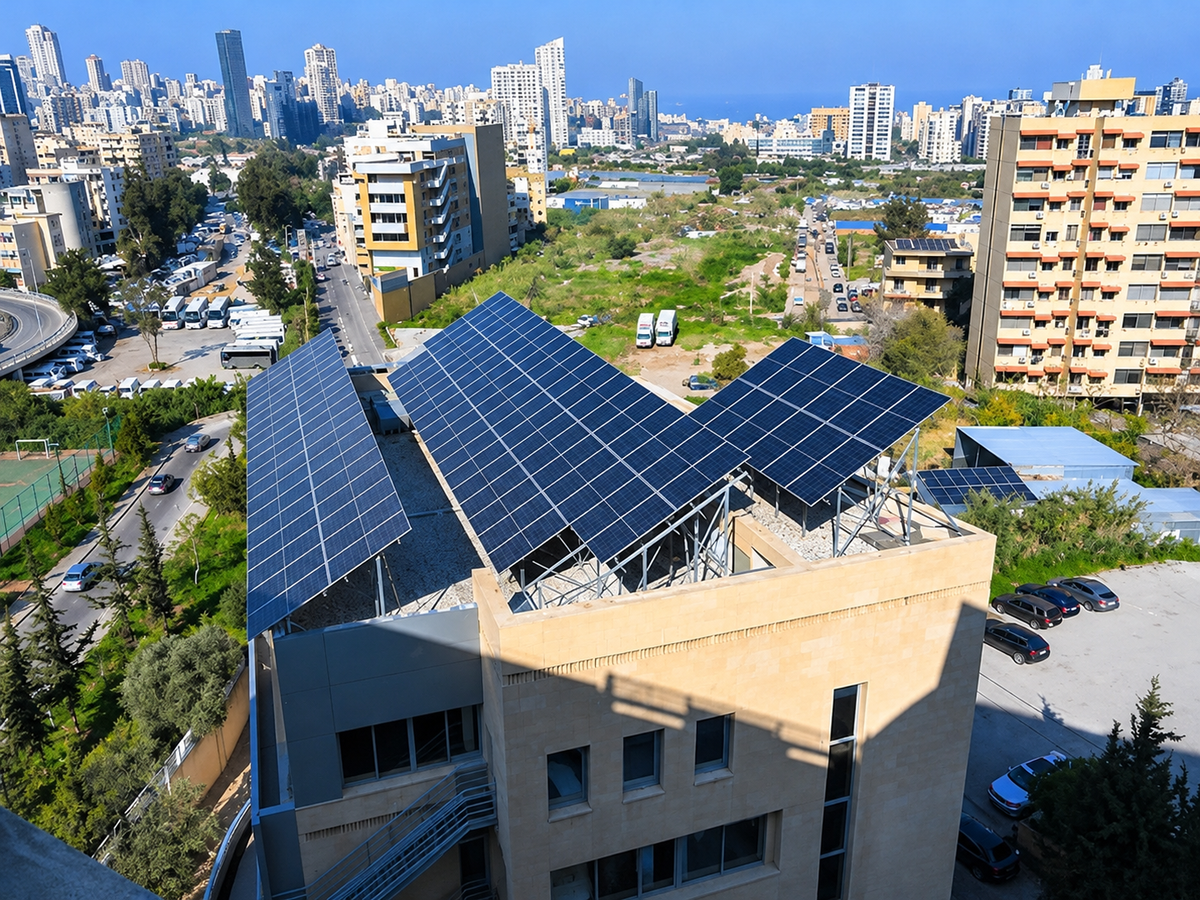
Parliament separately approved $20 million to finance loans for individuals investing in solar energy systems.
The measure is intended to make renewable energy installations more accessible to households that cannot afford the substantial upfront costs of solar panels, batteries and related equipment.
Lebanon has experienced rapid growth in private solar installations since the 2019 financial collapse, driven by unreliable electricity supplies and the high cost of diesel generators.
However, access to solar power remains unequal, particularly for lower-income households and apartment residents who may lack the financial resources or space required for installation.
The new financing could help reduce these barriers, although authorities have yet to publicly clarify the detailed eligibility requirements, interest rates, repayment periods and application procedures.
The allocation therefore establishes funding for the program but does not mean loans are immediately available to applicants.
Why EDL Continues to Need Financial Support
The latest funding decision highlights the persistent structural weaknesses of Lebanon's electricity sector.
For decades, EDL has struggled with insufficient revenue collection, technical losses, electricity theft, outdated infrastructure and dependence on imported fuel.
The financial collapse further complicated operations, reducing the utility's ability to maintain generation capacity and invest in improvements.
While settling public-sector arrears could improve EDL's immediate financial position, it does not address the underlying reasons these debts accumulated.
Parliament's Finance and Budget Committee has called for a comprehensive assessment of government electricity obligations and stronger payment enforcement.
Committee chairman Ibrahim Kanaan emphasized that public institutions must meet their financial responsibilities rather than allowing the same crisis to reappear every few years.
Qatar Proposal Could Shape Lebanon's Energy Future
The funding comes as Lebanon considers additional investments in electricity generation.
The Cabinet is expected to examine a proposal from Qatar concerning the construction of new power plants, potentially offering another route toward increasing national electricity production.
However, the proposal's financial structure, implementation schedule and operational conditions have not yet been finalized.
Even if new generating capacity becomes available, improvements in electricity supply will depend on the ability to purchase fuel, maintain infrastructure, collect payments and reduce distribution losses.
Solar power offers an important complementary solution, but household installations cannot substitute for a reliable national electricity grid.
Funding Alone Will Not Solve the Crisis
The $120 million allocation provides immediate relief to EDL and creates an opportunity to expand access to renewable energy financing.
But the two measures address different aspects of the same underlying problem: the continued inability of Lebanon's electricity system to provide reliable, affordable service.
The government's immediate priority is preventing further deterioration in electricity generation. Its longer-term responsibility is ensuring that public institutions pay their bills, the utility operates sustainably and households are no longer forced to finance their own electricity infrastructure.
Without reforms to revenue collection, management and generation, additional funding risks becoming another temporary solution to a crisis Lebanon has struggled to resolve for decades.