Lebanon's Fuel Consumption Plunges by Nearly a Third as Economic Pressures Deepen
Lebanon's gasoline consumption fell 31.9% during the first nine months of 2026, while diesel consumption dropped approximately 32%, according to figures from the country's fuel station owners' syndicate.
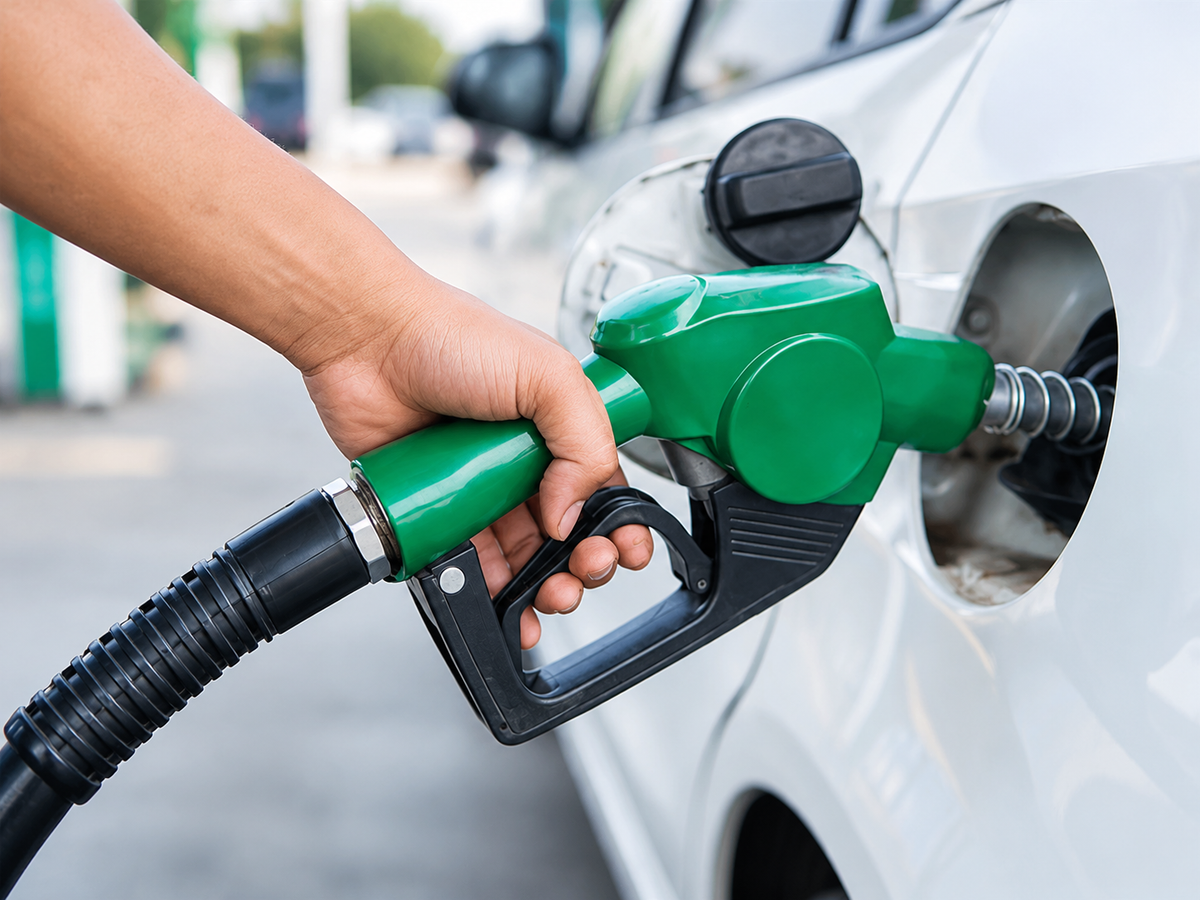
Lebanese consumers and businesses are using substantially less gasoline and diesel as rising fuel costs force households to reduce travel and companies to cut expenses. The decline raises concerns about the underlying health of an already fragile economy.
Lebanon's gasoline and diesel consumption has fallen by approximately one-third during the first nine months of 2026, according to figures disclosed by the country's fuel station owners' syndicate, highlighting the growing pressure of energy prices on households and businesses.
In an interview with Ad-Diyar published November 14, syndicate president Georges Brax revealed that gasoline consumption declined by 31.9%, while diesel consumption fell approximately 32% between January and September compared with the same period in 2025.
The figures represent a substantial reduction in fuel volumes sold, rather than a decline in prices. They are industry-reported estimates, not a comprehensive official national energy balance.
Year-on-year volume changes reported by Georges Brax, president of Lebanon's fuel station owners' syndicate.
Brax attributed the decline primarily to soaring fuel prices and deteriorating purchasing power.
Earlier in 2026, the price of a 20-liter gasoline canister more than doubled, reaching approximately 2.6 million to 2.8 million Lebanese pounds at certain points.
The increases forced households to reduce unnecessary journeys, consolidate errands and limit spending on transportation.
Diesel consumption also declined sharply, affecting electricity generation, heating and commercial transportation.
According to Brax, some households have abandoned the practice of purchasing large quantities of heating fuel before winter, instead buying small amounts whenever their finances permit.
What Does This Mean for Lebanon's Economy?
Falling fuel consumption can have several explanations, including improved energy efficiency, renewable energy adoption or changing transportation habits.
However, Lebanon's current circumstances suggest that financial pressure is an important driver.
When households cannot afford fuel, they may travel less, reduce social activities and limit spending at businesses.
For companies, higher transportation and electricity costs can reduce profitability, discourage investment and make locally produced goods more expensive.
Industries such as food processing, plastics and paper production have been particularly exposed to rising operating costs, according to Brax.
The decline in consumption is therefore concerning because it may reflect economic activity being constrained by affordability rather than a voluntary shift toward more efficient energy use.
Nevertheless, fuel consumption alone cannot measure the size of Lebanon's economic contraction. Changes in electricity supply, solar adoption, inventories and fuel distribution channels can also influence demand.
Lebanon's Economic Recovery Is Under Threat
The figures reinforce broader warnings about Lebanon's economic outlook.
In its latest economic assessment, the World Bank projected that Lebanon's economy would contract by 6.4% in 2026, reversing an estimated 4.2% expansion in 2025.
The renewed conflict in March disrupted tourism, trade, household consumption and investment, while higher energy and transportation costs further reduced purchasing power.
The World Bank also projected inflation of 17.5% for 2026, reflecting conflict-related supply disruptions and rising import costs.
The fuel market illustrates another vulnerability: Lebanon depends on imported petroleum products, leaving consumers exposed to international oil prices, shipping disruptions, insurance costs and regional instability.
Even when crude oil prices decline internationally, domestic fuel prices may not fall immediately.
Brax explained that Lebanon's pricing mechanism relies on international refined-product quotations rather than the daily Brent crude price, creating delays between changes in global markets and domestic pump prices.
Fuel Prices Are Falling, but Is Relief Coming?
Recent price reductions have offered some relief.
Between the beginning of October and November 13, the price of 95-octane gasoline fell approximately 15.9%, while diesel declined 8.4%.
By November 13, a 20-liter gasoline canister cost 2,391,000 Lebanese pounds, while diesel stood at 2,524,000 pounds.
However, lower prices do not automatically restore lost purchasing power.
Businesses and households continue facing elevated living costs, uncertain employment prospects and the consequences of Lebanon's prolonged financial crisis.
Brax expects gasoline prices to face further downward pressure but warned that winter demand could keep diesel prices elevated.
A Warning Sign for the Wider Economy
The decline in fuel consumption highlights a broader economic problem: Lebanese households and businesses are increasingly adjusting essential activities to match shrinking purchasing power.
Although lower fuel use can reduce import volumes, it is not necessarily good news when driven by financial hardship.
The government's challenge extends beyond reducing fuel prices. Improving electricity reliability, expanding affordable public transportation and supporting economic recovery would help reduce the pressure on households and businesses.
A country consuming nearly one-third less fuel is not automatically becoming more efficient. In Lebanon's case, the figures raise a more troubling possibility: people and businesses may simply be unable to afford the energy required for normal economic activity.