Lebanon Before Modern Medicine: The Remedies Lebanese Families Relied On
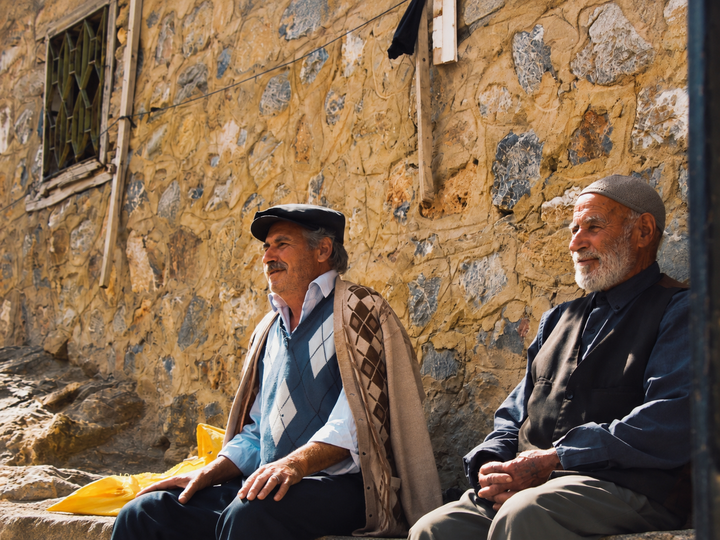
Before modern hospitals and pharmacies became widely accessible, Lebanese families relied on herbs, olive oil, honey, household preparations and the knowledge of village healers and midwives.
Before pharmacies became part of everyday life, before antibiotics were widely available, and before hospitals became accessible to much of Lebanon's population, families relied on a very different understanding of health.
In villages across Mount Lebanon, illnesses were treated with herbs gathered from the mountains, oils kept in household cupboards, remedies passed down through generations and advice from experienced relatives.
A grandmother might prepare sage for a sore throat, apply olive oil to dry skin or recommend a warm herbal infusion for stomach discomfort. A village healer might treat an injury using methods learned through experience rather than formal medical education.
Some practices had roots stretching back centuries. Others emerged from local experience, religious traditions and the exchange of knowledge between communities.
Not all of them worked. Some offered genuine relief, others had little effect, and certain treatments could be dangerous.
Yet together they formed an important part of Lebanon's social history, revealing how families understood illness and cared for one another without today's medical resources.
The Village Was Its Own Pharmacy
For generations, the Lebanese countryside supplied many of the ingredients households used to treat everyday complaints.
The country's varied landscape, from the Mediterranean coast to the mountains and the Bekaa Valley, supported a rich variety of medicinal and aromatic plants.
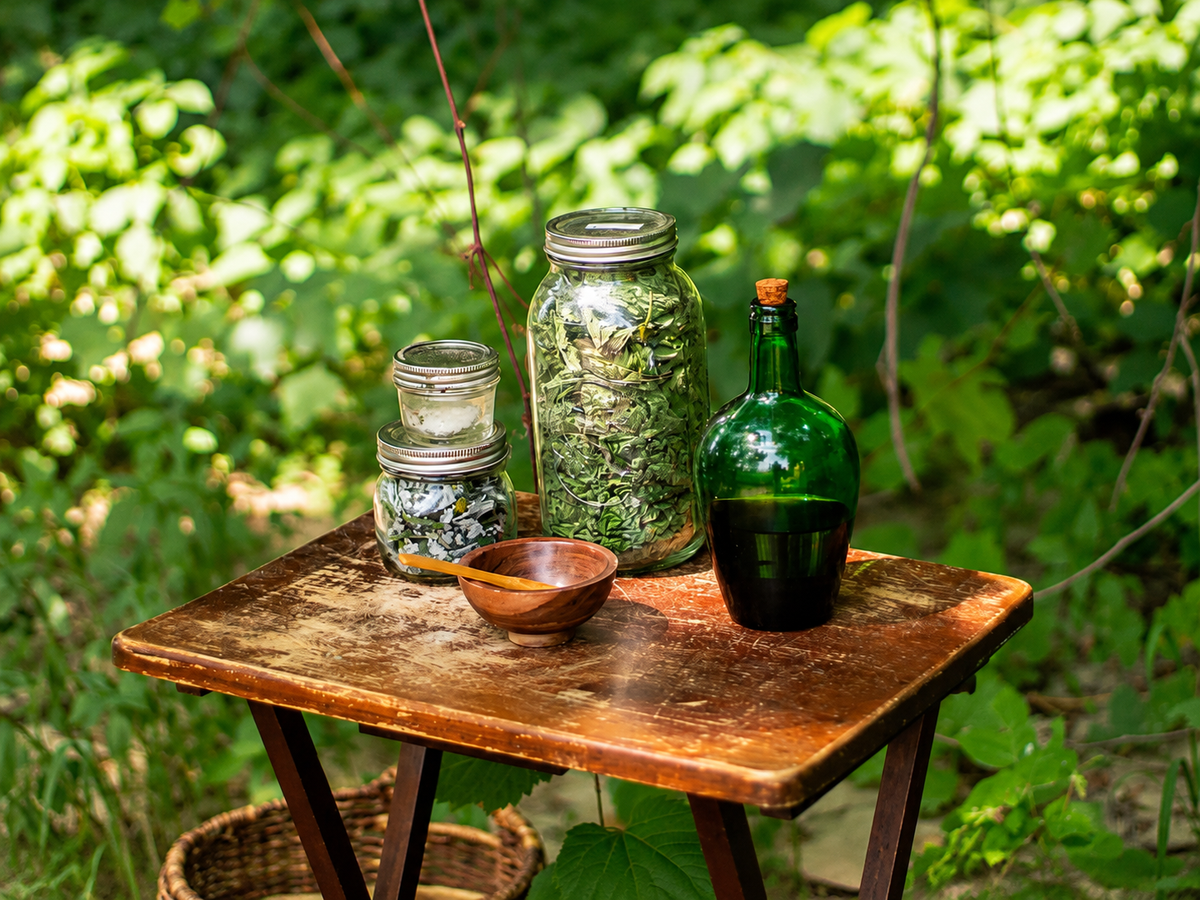
Thyme, sage, chamomile, mint, anise and other herbs were used in household preparations. Depending on the plant and local custom, they could be collected, dried, stored or purchased for later use.
These traditions were part of a much wider system of herbal medicine practiced across the eastern Mediterranean.
In Lebanon, knowledge was often transmitted within families, including through women responsible for much of the household's everyday care.
There was no single Lebanese book of remedies that every village followed. Practices varied by region, community, season and family.
What one household considered a trusted treatment, another might never have used.
Sage, Thyme and the Household Herbal Cabinet
Among the most familiar plants in Lebanese traditional medicine was sage, known as maramiyeh.
Sage tea has traditionally been consumed for digestive discomfort, sore throats and other minor complaints. Its strong aroma and bitter flavor became associated with the idea of a restorative household drink.
Thyme, or zaatar, occupied an equally important place.
Beyond its culinary role, thyme was used in traditional preparations for coughs, colds and respiratory discomfort. Herbal infusions were often among the first remedies offered when someone developed seasonal symptoms.
Chamomile, known as babounj, was commonly associated with relaxation and stomach complaints.
Anise, or yansoun, was another familiar household ingredient, traditionally prepared as a warm drink for digestive discomfort.
These remedies did not necessarily cure the conditions for which they were used. Modern research has identified biologically active compounds in several medicinal plants, but this does not automatically establish that traditional preparations are effective treatments.
Their historical importance lies not only in their possible medicinal properties, but also in their availability.
For families living far from physicians, an herb growing nearby could be considerably easier to obtain than professional treatment.
Olive Oil: More Than a Food
Few ingredients were as deeply embedded in traditional Lebanese life as olive oil.
For centuries, olive trees were central to agriculture, household economies and food preparation across much of the country.
But olive oil also had a place in domestic care.
It was used to soften dry skin, as a base for homemade preparations and during massage. In some traditional practices, it was combined with herbs or other ingredients and applied externally.
Olive oil also played an important role in traditional soap production, particularly in Tripoli, where soap making became an established craft.
The connection between olive oil, cleanliness and household care extended beyond Lebanon, reflecting a shared Mediterranean heritage.
Although olive oil can moisturize skin, historical applications should not be confused with proven treatments for infections, burns or serious skin conditions.
The Remedies That Came From the Kitchen
Traditional medicine was not limited to wild herbs.
Many remedies began with ingredients already available in the kitchen.
Honey was used to soothe irritated throats and coughs. Warm drinks containing lemon were offered during colds. Garlic was valued in folk traditions for its perceived medicinal qualities.
Saltwater gargles were used for throat discomfort, while warm compresses were applied to certain aches and pains.
Families also relied on soups, broths and easily digestible foods when someone was unwell.
These practices reveal how closely food and medicine were connected in traditional households.
A remedy did not always come from a healer or herbalist. Often, it came from the same person preparing the family's meals.
Some traditions have partial support from modern medicine. Research suggests that honey can provide modest relief from coughing, including in children older than one year. However, honey must never be given to infants under twelve months because of the risk of botulism.
Other practices, including using garlic to treat infections, lack sufficient clinical evidence to replace established medical treatments.
The Hajjameh, the Healer and the Village Midwife
Not every illness could be managed with a household infusion.
Communities also relied on people believed to possess specialized healing knowledge.
Traditional cupping, known as hijama, was practiced across the Middle East, including communities within present-day Lebanon. It involved applying cups to the skin to create suction, sometimes accompanied by superficial cuts intended to draw blood.
The practice was associated with treating various complaints, including pain and general illness.
Its continued use reflects the persistence of older medical traditions, although evidence supporting its benefits remains limited. Wet cupping also carries risks including infection, scarring and blood loss.
Village midwives occupied another important position.
Before hospital births became increasingly common, many women in Lebanon delivered their children at home with experienced traditional birth attendants, often known as dayat.
These women helped during labor, cared for mothers after childbirth and passed practical knowledge between generations.
Their work could be indispensable, particularly where physicians were distant or unaffordable.
But childbirth remained dangerous. Without modern obstetric care, complications such as severe bleeding, obstructed labor and infection could become fatal.
The traditional midwife was therefore both an important figure in community life and a reminder of healthcare's limitations.
When Illness Was Also Spiritual
Medicine in historical Lebanon was not always separated from religion or spiritual belief.
Some families sought protection through prayers, blessings, religious objects or visits to sacred sites.
Practices differed among Lebanon's religious communities and even between households belonging to the same community.
Belief in the evil eye, for example, influenced how some people interpreted unexplained illness or misfortune.
Certain families combined practical remedies with spiritual rituals, seeing no contradiction between the two.
A person might drink an herbal preparation, consult a healer and seek religious comfort for the same illness.
These practices illustrate a world in which physical health, family relationships, religion and community beliefs were closely connected.
Lebanon Was Not Without Doctors
It would be misleading to imagine that Lebanon had no organized medicine before the modern era.
Under Ottoman rule, Beirut and other urban centers had physicians, pharmacists and established medical traditions. The nineteenth century brought major changes as medical schools, missionary institutions and hospitals expanded.
The Syrian Protestant College, founded in Beirut in 1866 and renamed the American University of Beirut in 1920, opened its medical school in 1867. Its first medical students graduated in 1871.
The French medical school at Saint Joseph University opened on November 30, 1883, initially enrolling eleven students.
These institutions helped transform medical education and professional healthcare in the region.
But their existence did not mean every Lebanese family could access a doctor.
Geography, cost and social circumstances continued to shape treatment. In rural communities, household remedies and traditional healers remained important even as modern medical institutions expanded.
The transition was gradual rather than sudden.
What Survived Into the Present
Today, Lebanon has physicians, hospitals, pharmacies and medical technologies that earlier generations could scarcely have imagined.
Yet many older practices remain familiar.
Sage is still prepared for an uncomfortable stomach. Anise is still associated with digestive relief. Chamomile remains a common evening drink, and honey with lemon is still offered during colds.
These practices can now exist alongside modern medical care rather than serving as its principal alternative.
Some remain useful forms of comfort. Others have limited evidence, and none should substitute for appropriate treatment of serious illness.
What makes them worth remembering is not the idea that medicine was necessarily better in the past.
It was not.
Infections that are treatable today could once be deadly. Childbirth carried far greater risks, and illnesses that modern medicine can successfully manage could permanently alter a family's life.
But the remedies of old Lebanon reveal something important about the country's history.
They tell the story of communities that learned to use the plants around them, of women who preserved knowledge across generations, of village midwives and healers, and of families who cared for the sick with whatever resources they possessed.
Long before modern medicine became widely accessible through pharmacies and hospitals, much of Lebanon's everyday healthcare began in its gardens, kitchens and homes.