Lebanon Cuts Power to Public Institutions Over $240 Million in Unpaid Electricity Bills
Lebanon's state electricity provider has begun cutting power to public institutions over approximately $240 million in unpaid bills, including $130 million owed by water authorities.
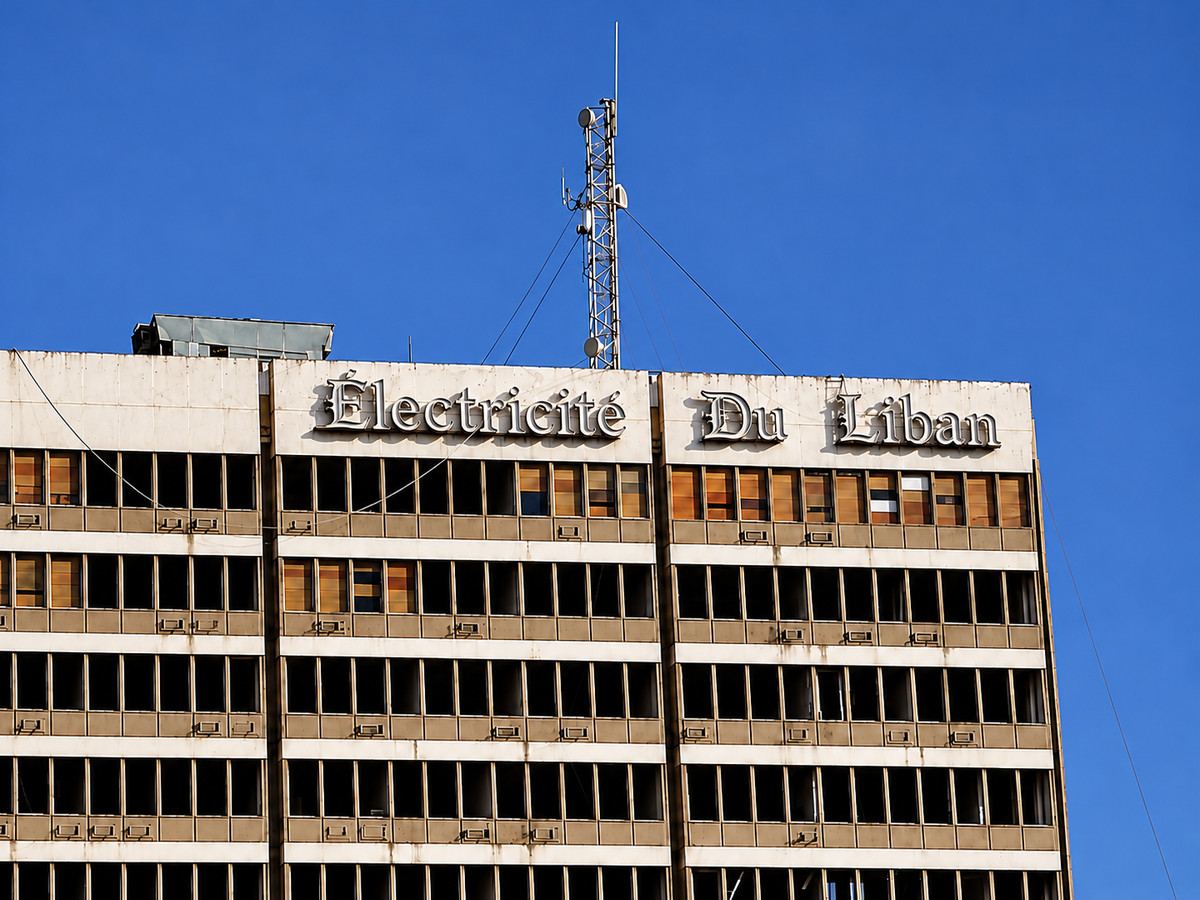
Lebanon's state electricity provider, Électricité du Liban (EDL), has begun disconnecting electricity supplies to government institutions, ministries and municipalities that have failed to settle outstanding bills, escalating efforts to recover approximately $240 million in unpaid public-sector dues.
The measures, which took effect on Monday, November 2, follow repeated warnings to public administrations and independent agencies that have accumulated substantial electricity debts. Government hospitals have been exempted from the disconnections to protect essential healthcare services.
The decision marks an unusually sweeping enforcement effort by the financially troubled utility, which has struggled for decades with unpaid bills, inadequate revenue collection, deteriorating infrastructure and persistent electricity shortages.
According to figures reported by LBCI, outstanding public-sector electricity payments total approximately $240 million, including $130 million owed by Lebanon's regional water authorities alone.
Among the institutions identified in reports as facing potential disconnections were Parliament, the Grand Serail, the Ministry of Finance's value-added tax building, the General Directorate of Land Registry and Cadastre, several Internal Security Forces facilities and regional water establishments.
Other public bodies, including Beirut's Rafic Hariri International Airport, the Ministry of Telecommunications and the Beirut municipality, had also been identified among entities with unsettled electricity accounts. However, EDL cautioned media outlets against treating unofficial lists as definitive confirmation of disconnections.
The campaign has already prompted several government bodies to seek payment arrangements.
In a statement issued Monday, EDL confirmed that numerous institutions had contacted the utility to settle their debts, making partial payments and submitting written commitments to repay their remaining balances through monthly installments.
Electricity was restored only to institutions that fulfilled those conditions, while other bodies that failed to make payments remained subject to disconnection.
The dispute highlights a longstanding structural problem within Lebanon's public finances: government institutions themselves have accumulated significant debts to the state-owned utility responsible for supplying electricity.
Lebanon's electricity sector has faced chronic financial difficulties, with the situation further complicated by rising fuel costs linked to regional conflict. The system's limited generating capacity has forced households and businesses to rely extensively on privately operated diesel generators and alternative energy sources.
For EDL, recovering outstanding payments represents an important part of efforts to improve financial sustainability and reduce the burden of unpaid electricity consumption.
The inclusion of water authorities among the targeted institutions has also raised concerns about the potential consequences for essential public services, although the utility has maintained exemptions for government hospitals.
The latest measures underscore the financial pressures facing Lebanon's public sector, as institutions already operating under constrained budgets are being required to settle years of accumulated electricity debts.
Whether the campaign produces sustained improvements in payment compliance remains uncertain, but the initial response suggests that the threat of disconnection has succeeded in pushing several institutions toward financial settlements.