Saudi Arabia Postpones Its Flagship Investment Conference as Houthi Attacks Threaten Vision 2030
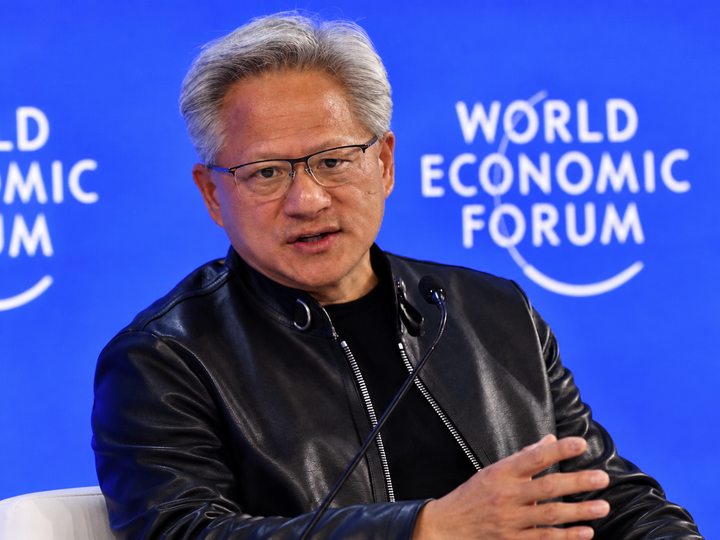
Saudi Arabia has postponed its flagship Future Investment Initiative conference until 2027 following deadly Houthi attacks on Riyadh and major infrastructure. The event, known as Davos in the Desert, was expected to bring together some of the world's most influential investors and executives.
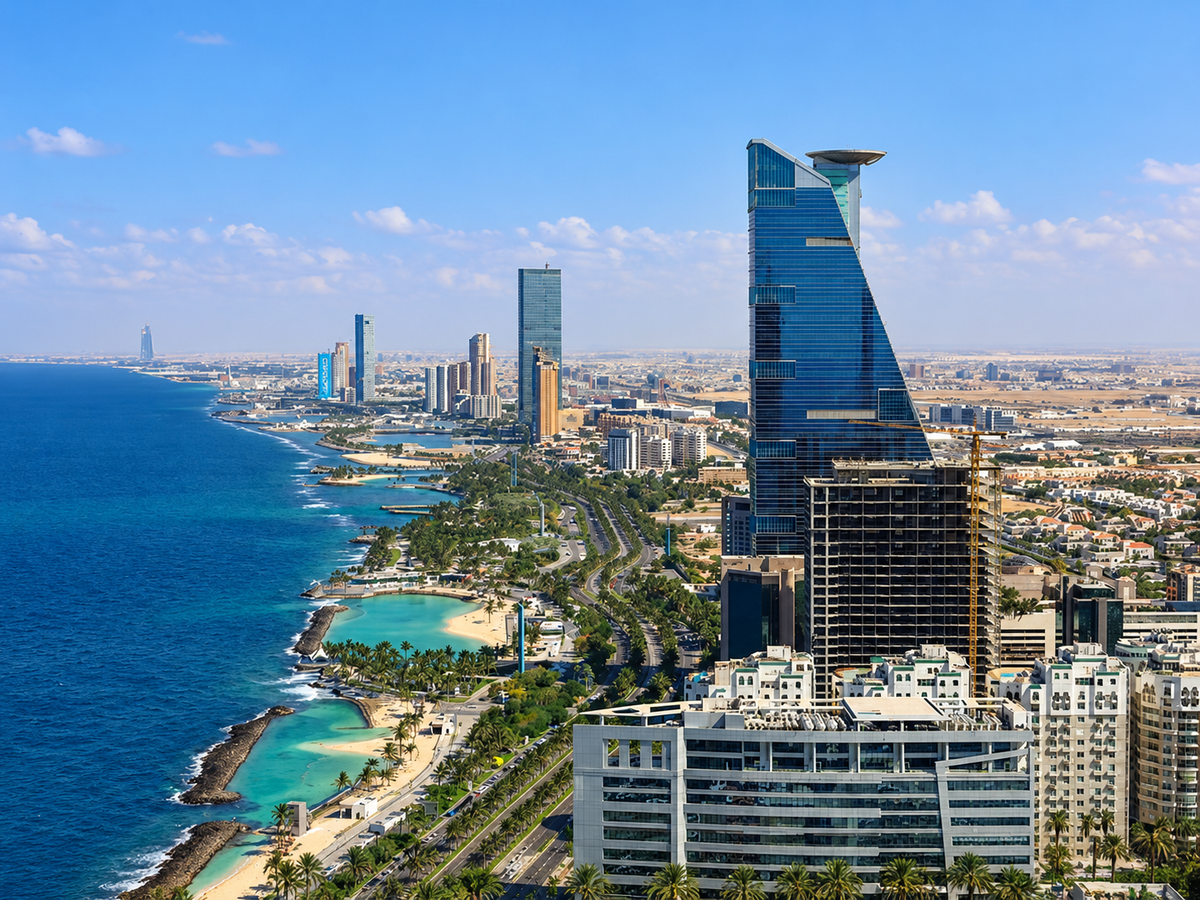
Saudi Arabia has postponed its most important international investment conference until 2027, marking a significant setback for the kingdom's efforts to establish itself as a global business and financial hub.
The Future Investment Initiative, widely known as "Davos in the Desert," was scheduled to take place in Riyadh from October 26 to 29.
Instead, organizers announced on October 19 that the event's tenth edition would be delayed until next year, with new dates to be announced.
The decision follows a series of deadly Houthi missile and drone attacks on Saudi Arabia, including strikes on Riyadh's international airport that killed more than a dozen people and injured hundreds.
It is one of the clearest demonstrations yet of how the renewed conflict with Yemen's Houthis is beginning to interfere directly with Crown Prince Mohammed bin Salman's economic ambitions.
The conference is not an ordinary business gathering.
Since its launch in 2017, the Future Investment Initiative has become one of Saudi Arabia's principal platforms for attracting international capital, announcing investment partnerships and promoting Vision 2030.
Its annual meetings bring together some of the world's most influential financiers, technology executives, sovereign wealth funds and political leaders.
This year's expected participants included JPMorgan CEO Jamie Dimon, BlackRock CEO Larry Fink, Bridgewater founder Ray Dalio and senior executives from other global financial institutions.
For Saudi Arabia, bringing those figures to Riyadh is itself part of the strategy.
The kingdom wants international investors to view Riyadh as a permanent center of global finance rather than simply a destination for occasional transactions.
The conference is designed to reinforce that image.
Its postponement therefore matters far beyond the loss of a four-day event.
Officially, the Future Investment Initiative Institute said the decision was taken to ensure that its tenth edition delivers the scale, quality and impact expected by participants.
But the security backdrop is impossible to ignore.
Houthi attacks have repeatedly targeted Saudi airports, energy infrastructure and major cities in recent weeks.
King Khalid International Airport, the principal international gateway to Riyadh, was closed for approximately a week after deadly strikes.
Although it has since reopened, flight cancellations and disruptions have continued.
That presents an immediate problem for an international conference built around bringing thousands of executives, investors and officials into the Saudi capital.
Some major financial institutions had already expressed concerns about attendance, according to reporting surrounding the postponement.
Organizers reportedly considered alternative arrangements, including remote participation, before deciding to delay the event.
The result is a major interruption to Saudi Arabia's international business calendar.
And FII is not the only casualty.
Intersec Saudi Arabia, a major security-industry exhibition, has been postponed until October 2027.
The Saudi Retail Forum has also been moved to March 2027.
Other sporting, cultural and diplomatic gatherings have faced disruptions as regional security conditions deteriorate.
Together, these developments expose an uncomfortable reality for Riyadh.
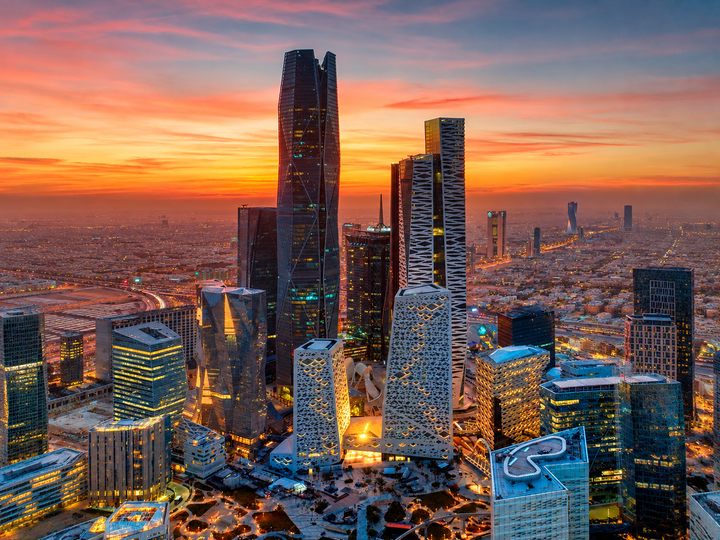
Saudi Arabia has spent years investing in the infrastructure of a global business destination.
The Houthis are now demonstrating how vulnerable that model remains to regional instability.
Vision 2030 depends on attracting foreign investment into industries ranging from tourism and technology to logistics, manufacturing, entertainment and financial services.
New airports, hotels, business districts and transport networks are being developed to support that transformation.
Riyadh is positioning itself as a regional headquarters for international corporations.
The Public Investment Fund is financing enormous development projects intended to diversify the kingdom's economy away from oil.
But all of those ambitions depend on one essential condition.
Security.
International investors can tolerate political uncertainty and economic volatility.
What becomes harder to accommodate is the possibility that missiles will strike airports, major cities or critical infrastructure.
The costs extend beyond physical damage.
Airlines reconsider routes.
Insurance premiums rise.
Executives delay travel.
Conference organizers face cancellations.
Businesses reassess operational risks.
And investors demand greater compensation for committing capital to projects exposed to regional conflict.
The Houthis do not need to defeat Saudi Arabia militarily to impose those costs.
They only need to demonstrate that they can repeatedly disrupt the systems supporting its economic transformation.
That is what makes the postponement of FII particularly significant.
The event itself was created to project stability, ambition and confidence.
Its cancellation for 2026 now illustrates the opposite pressure: a regional security crisis powerful enough to disrupt one of the kingdom's most prominent investment showcases.
The broader economic backdrop is already difficult.
The IMF expects Saudi Arabia's economy to contract in 2026 as regional conflict disrupts energy production, trade and investment.
At the same time, the kingdom faces substantial financial commitments associated with Vision 2030 and rising defense requirements.
That creates a difficult balancing act.
Saudi Arabia needs foreign investment to reduce its dependence on oil revenues.
But restoring the security required to attract that investment could demand additional military spending and a prolonged confrontation with the Houthis.
The renewed fighting in Yemen has complicated Riyadh's efforts to move beyond the conflict.
Saudi-backed Yemeni government forces have launched operations against Houthi positions, while the Houthis have expanded attacks inside Saudi Arabia.
The kingdom now faces a strategic dilemma.
Escalating military operations may increase pressure on the Houthis, but could also provoke further missile attacks against Saudi infrastructure.
Reducing military pressure might lower immediate risks while leaving the Houthis with the capability to threaten Saudi cities again.
Neither option offers a simple solution.
Meanwhile, the economic consequences are becoming measurable.
An international conference that was supposed to showcase Saudi Arabia's future will not take place this year.
Other events are moving.
Flights have been disrupted.
And security is returning to the center of investment decisions.
Saudi Arabia still possesses enormous financial resources, substantial infrastructure and a long-term economic strategy that extends far beyond the current conflict.
The postponement does not mean Vision 2030 has failed.
But it demonstrates that the kingdom's economic transformation cannot be separated from the security environment surrounding it.
Saudi Arabia can build airports, financial districts, luxury resorts and enormous new cities.
It can attract some of the world's largest companies.
It can invest hundreds of billions of dollars into diversification.
But it cannot guarantee investor confidence while missiles continue reaching the infrastructure that makes those ambitions possible.
For years, Riyadh has been selling the world a vision of a Saudi Arabia defined by business, tourism, technology and investment rather than regional conflict.
The Houthis are now threatening that transition.
And the postponement of Davos in the Desert is the clearest sign yet that the economic consequences are no longer theoretical.