The Federal Reserve Could Raise Interest Rates Tomorrow After Inflation Surprises Markets
The Federal Reserve is now widely expected to raise interest rates tomorrow after hotter-than-expected inflation and surging oil prices forced markets to rapidly change their forecasts.
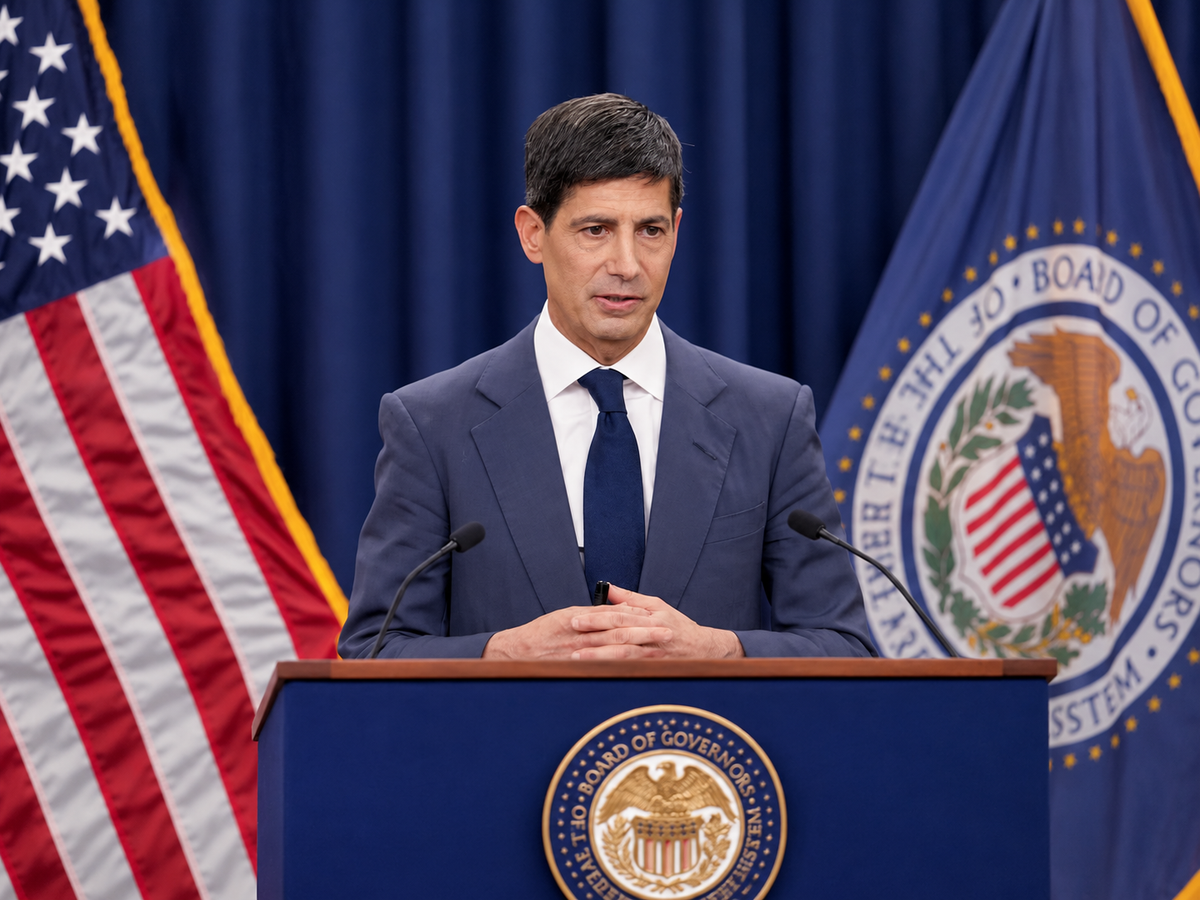
The U.S. Federal Reserve is now widely expected to raise interest rates on Wednesday, a sharp reversal from expectations only days ago after hotter-than-expected inflation data and surging oil prices forced markets to rethink the outlook for monetary policy.
A Reuters poll published Monday found that 85% of economists now expect the Fed to raise its benchmark rate by 25 basis points, taking the target range from 3.50%–3.75% to 3.75%–4.00%. Markets are pricing in roughly a 90% probability of a hike.
That would mark the Federal Reserve’s first rate increase in three years and a major shift from the consensus earlier this month, when many analysts expected rates to remain unchanged for the rest of 2026.
The change came after August inflation surprised to the upside. U.S. consumer prices rose 3.4% from a year earlier, while core inflation increased 0.3% during the month. Gasoline prices jumped 3.9%, reflecting the renewed energy shock caused by fighting in the Middle East.
Oil has become the central problem.
Brent crude has surged above $100 a barrel as conflict with Iran, disruption through the Strait of Hormuz and attacks on Saudi energy infrastructure tighten global supply. Saudi Arabia’s East-West pipeline, capable of carrying around 4 million barrels per day, has also been disrupted, adding another layer of uncertainty to energy markets.
Higher oil prices do not remain confined to petrol stations. They increase transport, shipping, manufacturing and airline costs, which can then spread into the price of everyday goods and services.
That is precisely what the Fed is trying to prevent from becoming entrenched.
Chair Kevin Warsh has taken an increasingly hawkish position in recent weeks, warning that inflation has remained too high for too long and suggesting that monetary policy may need to become more restrictive again.
Major banks have moved quickly. Goldman Sachs, JPMorgan, HSBC and Deutsche Bank now expect a quarter-point increase at this week’s meeting, with several also forecasting at least one additional hike over the coming months.
The shift is already rippling through markets.
The U.S. 10-year Treasury yield has risen above 5% for the first time since 2023, reflecting expectations that borrowing costs may stay higher for longer. Higher Treasury yields tend to feed into mortgages, car loans, credit cards and corporate borrowing, potentially slowing economic activity.
Wall Street has also come under pressure. The S&P 500 fell 0.5% on Monday, while the Nasdaq dropped 0.6% as investors reacted to both higher interest-rate expectations and weakness in AI-related stocks.
The decision also puts the Federal Reserve on a collision course with President Donald Trump.
Trump has repeatedly called for lower borrowing costs and said over the weekend that the United States should have the lowest interest rates in the world. He has argued that lower rates would strengthen investment and economic growth.
The Fed, however, is focused on inflation.
That creates a difficult trade-off. Raising rates could help cool price pressures and protect the Fed’s credibility, but it would also make borrowing more expensive at a time when households and businesses are already facing higher energy costs.
The timing is politically sensitive as well. The decision comes only weeks before the U.S. midterm elections, with inflation and the cost of living again becoming major political issues.
The bigger question is whether Wednesday’s move would be a one-off response or the beginning of another tightening cycle.
Interest-rate futures are already pricing in several additional hikes through 2027, while economists increasingly expect at least one more increase by early next year if inflation remains elevated.
That would represent a remarkable reversal.
Only recently, markets were discussing when the next rate cuts would arrive. Now, with inflation proving stubborn and the Middle East energy shock pushing oil higher, investors are again preparing for tighter monetary policy.
Wednesday’s decision could therefore mark the beginning of a new phase for the global economy: higher oil, higher inflation and higher interest rates all at once.