Trump Faces a Choice Between Escalation and Diplomacy After Iran War Indecision Costs Republicans Congress
Donald Trump faces a critical choice between renewed military escalation and diplomacy after the Iran war contributed to Republicans losing both houses of Congress.
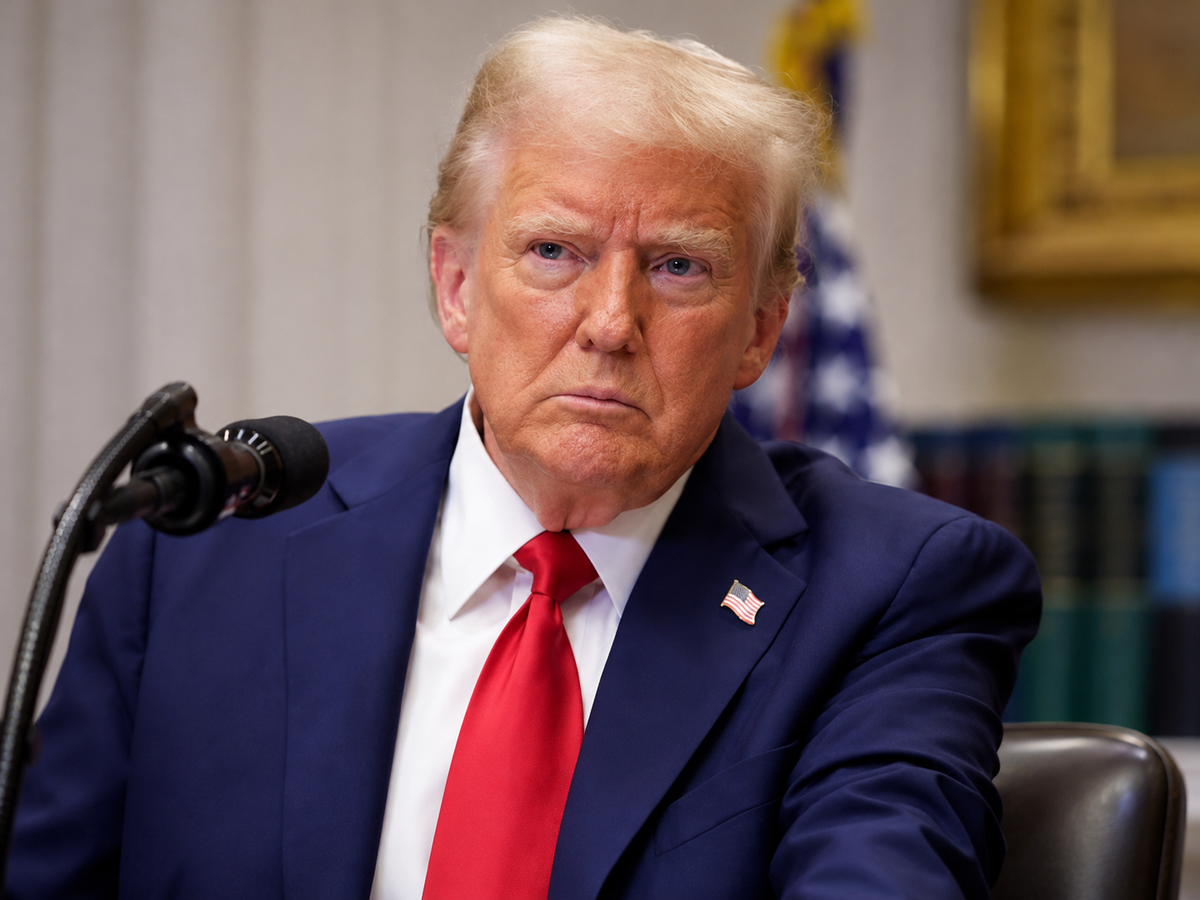
President Donald Trump faces a critical decision over the future of the war with Iran following the Republican Party's crushing defeat in the November 3 midterm elections, as disagreements within his administration and renewed diplomatic efforts leave Washington weighing another military escalation against a negotiated settlement.
Democrats captured both chambers of Congress, securing at least 54 Senate seats and gaining more than 30 House seats. Rising living costs, high fuel prices and dissatisfaction with the Iran war contributed to the Republican defeat.
Trump acknowledged Wednesday that the conflict played a role in the losses but defended his decision to attack Iran, while Vice President JD Vance more directly blamed the war for the party's electoral setback.
Eight Months of War Without a Resolution
The United States and Israel launched their military campaign against Iran on February 28, initially seeking to weaken Tehran's nuclear and military capabilities.
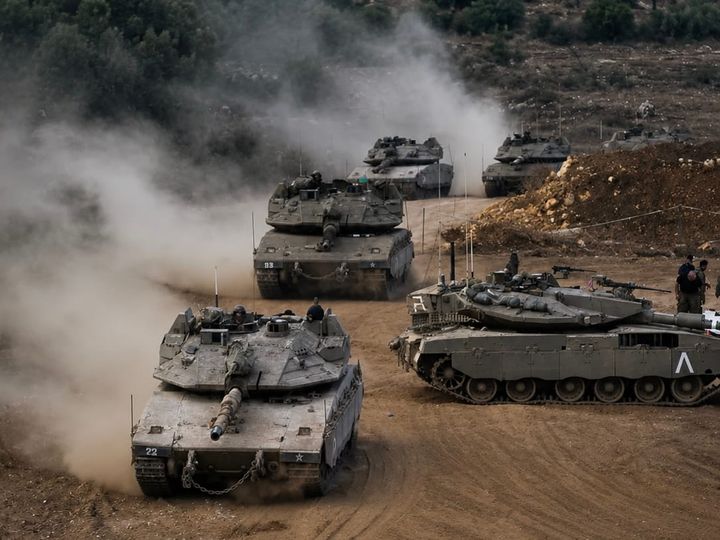
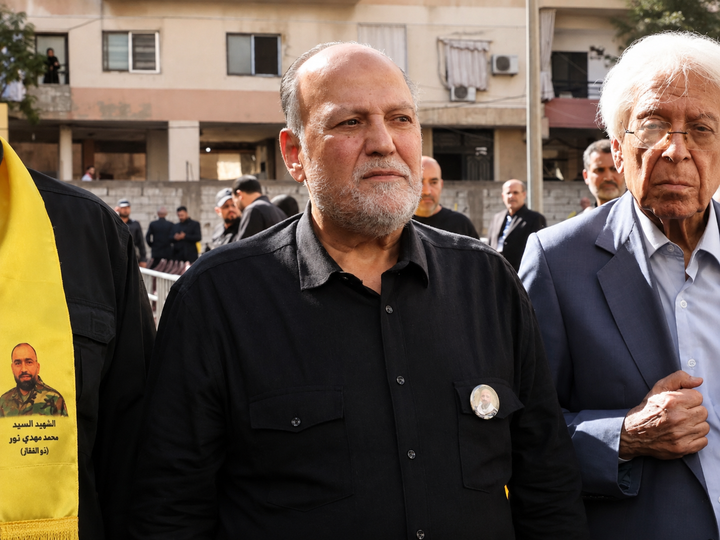
The conflict quickly expanded across the region, triggering Iranian attacks against Israel and Gulf states, renewed fighting between Hezbollah and Israel in Lebanon, and disruptions to international shipping through the Strait of Hormuz.
Despite months of military operations, temporary ceasefires and diplomatic negotiations, Washington has yet to secure a lasting agreement addressing Iran's nuclear program, regional security and maritime access.
By September, senior Trump administration officials were reportedly attempting to prevent further escalation before the midterms, fearing the political consequences of another major confrontation.
According to Reuters, White House officials were considering intensifying military operations after November 3 while maintaining economic pressure in the hope of securing concessions that months of fighting had failed to achieve.
The strategy ultimately failed to protect Republicans from the economic consequences of the war.
Escalation or Diplomacy?
Trump now faces two increasingly consequential options.
The first is to resume major military operations against Iran, potentially targeting nuclear facilities, military infrastructure and other strategic assets.
Such action could increase pressure on Tehran but would carry substantial risks, including Iranian retaliation against American forces, further disruption of oil supplies and another expansion of regional hostilities.
The second option is to pursue a diplomatic settlement.
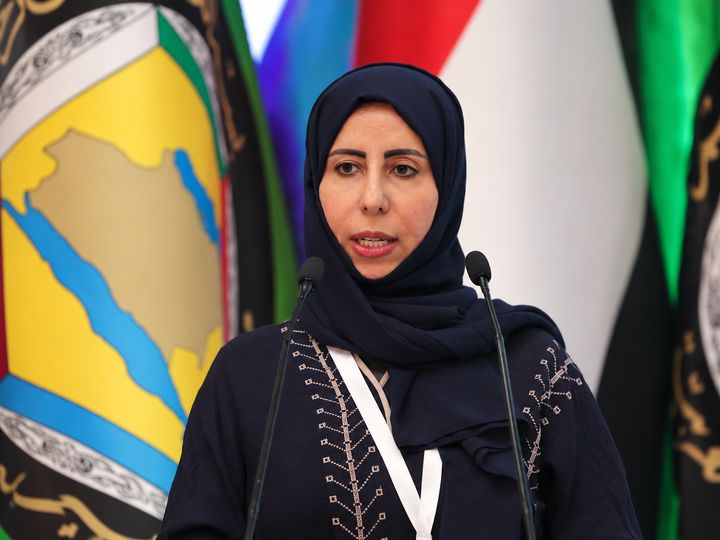
On November 5, a senior Iranian official told Reuters that Tehran had submitted a nuclear proposal to Washington through Qatari mediators.
However, Iran insists that the United States must first satisfy seven demands before formal negotiations can proceed, including sanctions relief, the release of frozen Iranian assets and war reparations.
Washington, meanwhile, insists that nuclear restrictions must be addressed during the initial negotiations.
Iranian security official Mohsen Rezaei warned that Tehran would neither reopen the Strait of Hormuz nor begin negotiations until its conditions were fulfilled.
The gap between the two sides remains substantial, raising doubts about whether the latest diplomatic initiative can produce a breakthrough.
A third possibility is continued economic pressure, including sanctions and the naval blockade, without a major escalation. But that approach risks prolonging the conflict without guaranteeing concessions.
Did Indecision Cost Republicans the Election?
The political damage from the war extends beyond the decision to launch military operations.
For months, the Trump administration alternated between military escalation, temporary ceasefires, threats of renewed attacks and attempts at negotiation.
The result has been a costly conflict without a clearly achieved objective.
Trump's decision to suspend major offensive operations ahead of the elections may have reduced the immediate risk of escalation, but it did little to reverse the economic damage already affecting American households.
The war contributed to higher energy prices and broader inflationary pressure, undermining one of Trump's central political promises: improving affordability.
Polling also indicated substantial opposition to the war itself. An Associated Press survey found that approximately six in ten voters considered military action against Iran a mistake.
These findings suggest that Republicans were punished partly for initiating the conflict, not simply for failing to conclude it decisively.
Nevertheless, the administration's inconsistent approach may have compounded the political costs by prolonging uncertainty without producing either a lasting peace or a clear strategic victory.
A Democratic Congress Changes the Equation
The Democrats' victory will introduce stronger congressional scrutiny of the administration's foreign policy when the new Congress takes office in January.
Democratic lawmakers are expected to demand greater accountability over military spending, the conflict's economic consequences and the administration's legal authority to continue operations.
However, Trump will retain broad presidential powers over military and diplomatic decisions, leaving him considerable flexibility to pursue either escalation or negotiations.
The political calculation has also changed.
With the midterms concluded and Trump constitutionally barred from seeking another term, the president may become more willing to take risks in pursuit of a foreign-policy legacy.
Alternatively, the electoral defeat could encourage him to seek a diplomatic agreement that lowers energy prices and stabilizes the region before the 2028 presidential election.
Neither outcome is guaranteed.
The Cost of an Unfinished War
Trump's central challenge is no longer simply whether the United States possesses the military capability to strike Iran. It is whether continued force or negotiations can produce an outcome worth the economic, political and human costs.
Further escalation risks another prolonged regional conflict. Diplomacy requires compromises that both Washington and Tehran have so far resisted. Continuing the current stalemate could preserve the very conditions that contributed to the Republican defeat.
The midterms exposed the political cost of a war without a clear conclusion. Trump must now decide whether to pursue a negotiated settlement, risk a wider confrontation or continue a strategy that has already failed to deliver a decisive result.