Lebanon Charges 13 Over Hezbollah’s 780 Kilograms of Explosives as State Confronts Armed Group
Lebanon’s military judiciary has charged 13 individuals over a truck carrying 780 kilograms of explosives belonging to Hezbollah. Two suspects remain detained, while 11 others face charges in absentia, including alleged offenses against state security.
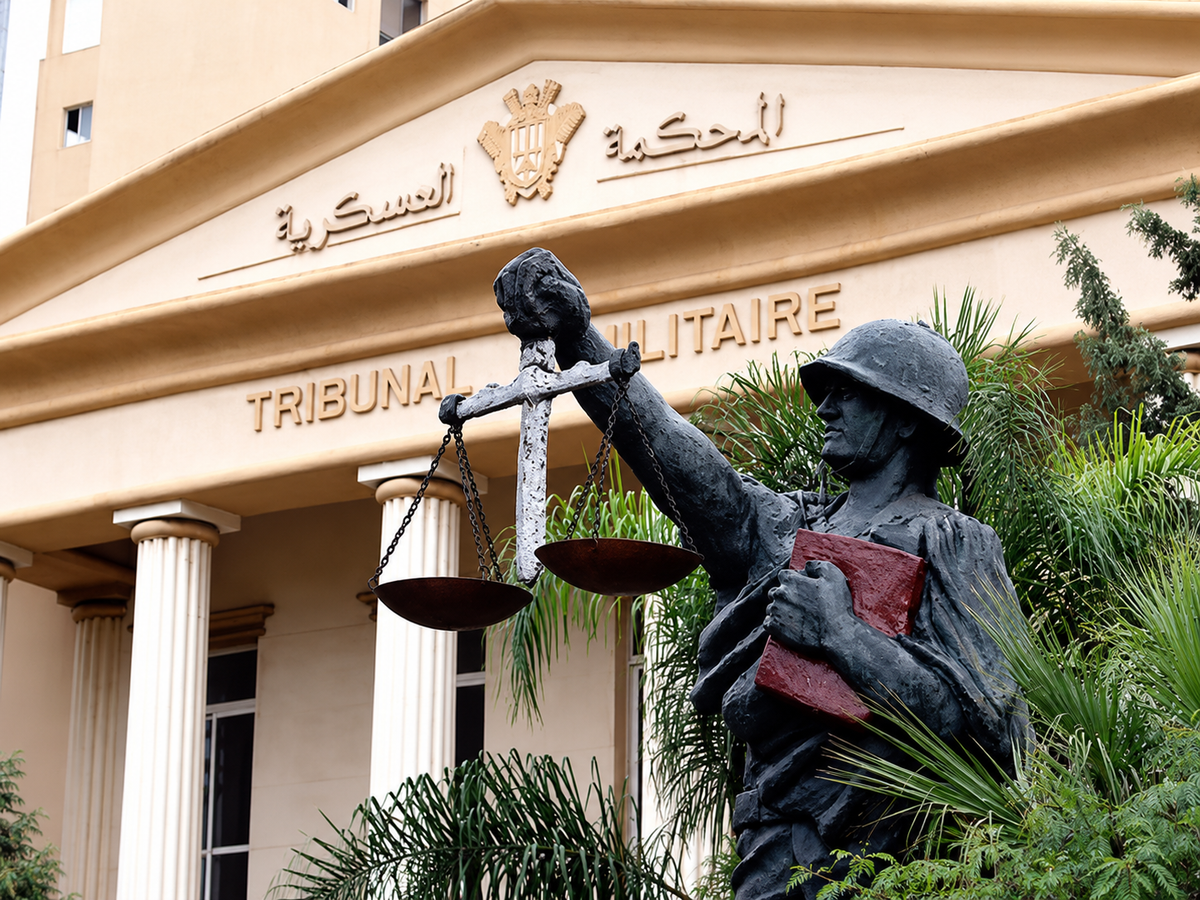
Lebanon’s military judiciary has charged 13 individuals over a truck carrying 780 kilograms of explosives belonging to Hezbollah, marking a significant escalation in the government’s confrontation with the Iran-backed organization.
On October 30, Military Court Government Commissioner Judge Claude Ghanem filed charges involving threats to state security, illegal possession of explosives and participation in armed organizations operating without government authorization.
The defendants face penalties of up to 10 years of hard labor if convicted.
But the case raises a larger question: will Lebanon’s judiciary hold Hezbollah accountable, or will political pressure once again obstruct the state’s authority?
What Investigators Uncovered
The investigation began on October 5, when Lebanese security forces intercepted a truck at the Dahr al-Baidar checkpoint on the highway connecting Beirut with the Bekaa Valley.
Inside were approximately 780 kilograms of explosives, including 250 kilograms of TNT and another 250 kilograms of C-4.
Two suspects, Haitham Amhaz and Ali al-Kurdi, were arrested and remain in custody.
Eleven other individuals have been charged in absentia, including five identified only by their aliases.
Among those named are Ibrahim Habib, reportedly responsible for handing over the shipment, and Bilal Sabouri, who was allegedly supposed to receive it in Beirut’s southern suburbs.
The investigation also identified individuals traveling in an accompanying vehicle and the owner of the truck.
The charges include alleged participation in an unauthorized armed organization, violations of government security measures and actions threatening the authority of the Lebanese state.
No Hezbollah political official has been charged.
Hezbollah Admitted the Explosives Were Its Own
The case became politically explosive when Hezbollah openly acknowledged ownership of the shipment.
On October 15, Hezbollah MP Hassan Fadlallah confirmed that the explosives belonged to the organization, claiming they were intended for military operations against Israeli forces in southern Lebanon.
He demanded the return of the explosives, the vehicle and the release of the detainees.
Fadlallah also warned against continued action targeting Hezbollah, including the possibility of referring the case to the Judicial Council.
The organization’s position is extraordinary.
Lebanese security forces confiscated nearly a tonne of military explosives being transported outside state authority.
Rather than accepting the investigation, Hezbollah demanded its weapons back.
It effectively asserted that its military requirements superseded the government’s decisions.
Hezbollah maintains that its weapons are necessary to confront Israeli occupation.
But that argument does not establish a legal right to transport military explosives independently of the Lebanese Armed Forces.
What Were the Explosives Intended For?
The shipment’s intended purpose remains an important unresolved question.
Hezbollah insists the material was destined for operations against Israel.
However, its movement toward Beirut and the inclusion of C-4 explosives fueled public concerns about possible domestic security threats.
C-4 has been used in political assassinations in Lebanon, making its discovery particularly sensitive.
Nevertheless, authorities have not established that this shipment was intended for assassinations or attacks against Lebanese political opponents.
Reuters has separately reported, citing Hezbollah-linked and Lebanese security sources, that the explosives were intended for the organization’s drone program.
The investigation must determine the shipment’s intended recipients, purpose and chain of command.
The Government’s Earlier Hesitation
The charges follow a controversial Cabinet decision on October 22 to postpone referring the case to the Judicial Council.
Justice Minister Adel Nassar supported the referral, arguing that the seriousness of the offenses justified placing the matter before the court responsible for major national-security cases.
Lebanese Forces ministers walked out of the Cabinet meeting in protest over the delay.
Reports also indicated that Parliament Speaker Nabih Berri had encouraged President Joseph Aoun and Prime Minister Nawaf Salam to postpone the decision.
The case is now proceeding through the military judiciary, while a possible Judicial Council referral still requires Cabinet approval.
The distinction matters.
Filing charges represents progress, but it does not settle the political dispute over how the case should ultimately be prosecuted.
A Test of Lebanon’s Sovereignty
The prosecution arrives as Hezbollah continues rejecting the government’s disarmament policy.
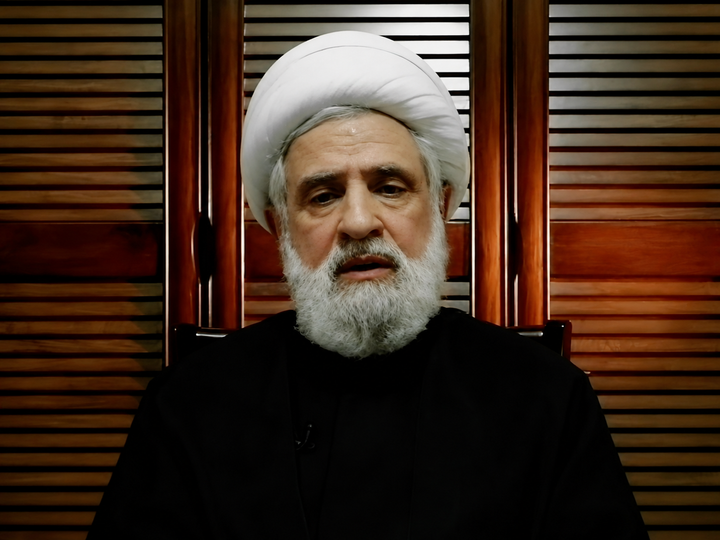
Secretary-General Naim Qassem recently reiterated that surrendering the organization’s weapons was not open for discussion.
Meanwhile, Reuters has reported that Iranian funding is helping Hezbollah rebuild its explosives and attack-drone capabilities.
That leaves Lebanon confronting a fundamental contradiction.
The government promises to establish exclusive state control over weapons, while Hezbollah continues operating its own military structure, receiving foreign financing and challenging state decisions.
Washington has also intervened, with Secretary of State Marco Rubio warning President Aoun that returning the confiscated explosives to Hezbollah should be out of the question.
But Lebanon should not require American pressure to enforce its own laws.
The authorities already seized the explosives. Hezbollah acknowledged ownership. Prosecutors have now filed charges.
The next question is whether the investigation will reach everyone responsible, including those who ordered and organized the shipment.
Thirteen people have been charged, but the individuals who ultimately directed the operation have not been publicly established.
Lebanon’s sovereignty cannot depend on prosecuting low-level operatives while leaving the military hierarchy beyond scrutiny.
The judiciary must establish individual responsibility through evidence and due process, without political interference.
The explosives case is therefore about considerably more than one intercepted truck.
It is a test of whether the Lebanese state can exercise authority over an armed organization that continues to claim the right to operate independently.
The charges are a significant development.
Whether they lead to accountability will determine how significant they really are.