Uncovered: 5,000 Secret Iranian Military Agencies Used to Evade Western Sanctions
A Reuters investigation has uncovered more than 5,000 Iranian military-linked agencies used to circumvent Western sanctions and import strategic equipment. One agency alone imported approximately $2.3 billion in military and dual-use goods between January 2025 and June 2026.
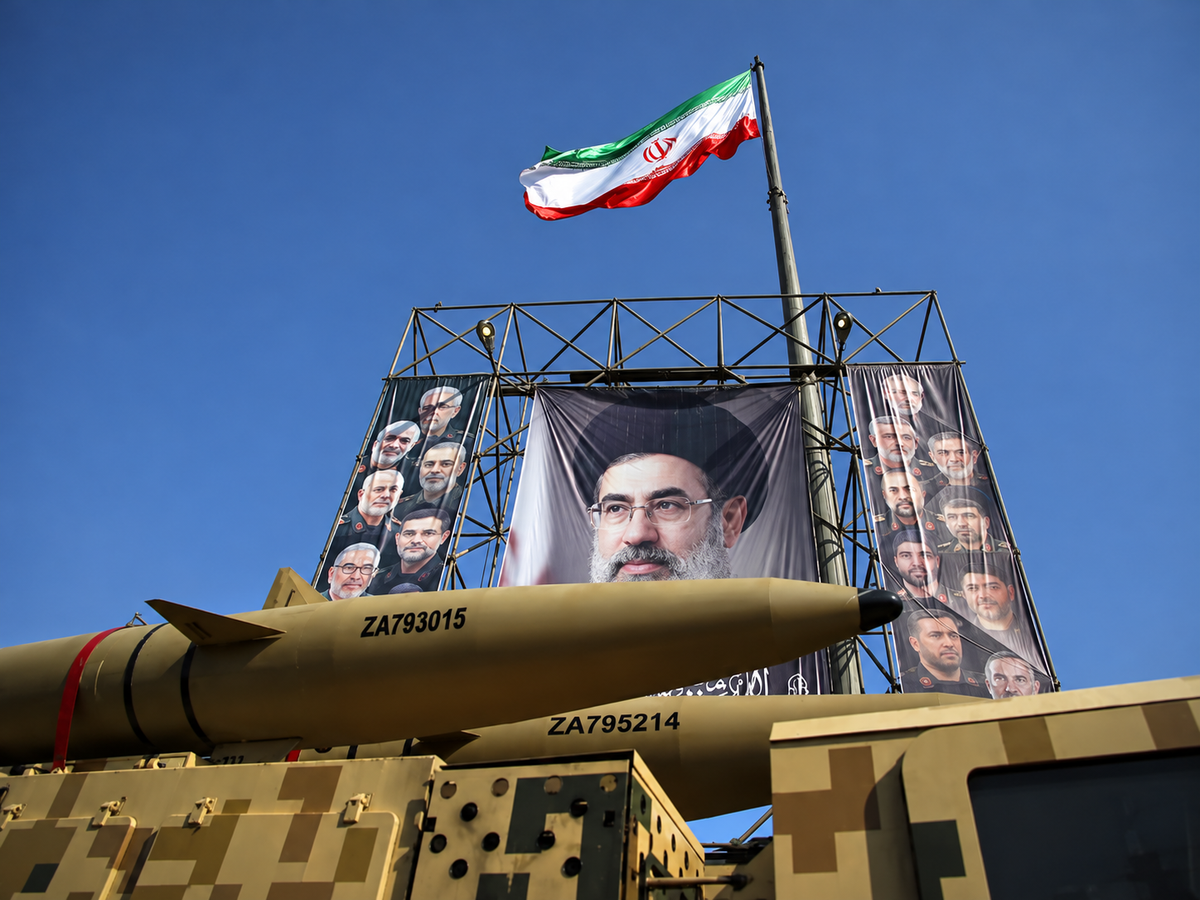
Iran has built a vast network of more than 5,000 military-linked agencies to circumvent Western sanctions and import billions of dollars in equipment used for missiles, drones and other military systems, according to a major Reuters investigation published on October 29.
The operation has continued despite American and Israeli attacks on Iran's military infrastructure and a U.S. naval blockade intended to restrict the country's access to strategic supplies.
Using Iranian banking records, corporate documents and approximately 19,000 import records, Reuters uncovered an extensive procurement system operating through overseas intermediaries and companies.
The investigation offers a rare look at how the Islamic Revolutionary Guard Corps (IRGC) has continued acquiring supplies while facing some of the world's most extensive economic restrictions.
A Hidden Network of 5,000 Agencies
At the center of the operation are more than 5,000 agencies with names beginning with MOD, an abbreviation for Iran's Ministry of Defense.
Each entity is identified by a numerical code rather than a conventional company name.
The agencies share a registered address with Iran's Ministry of Defense and Armed Forces Logistics in Tehran.
Although their official registration records identify February 11, 1979, as their establishment date, Reuters found that most were actually created around 2013, when international sanctions were severely restricting Iran's economy.
Some are connected to the IRGC, while others have relationships with powerful Iranian foundations known as bonyads, which control substantial business interests.
Reuters found no evidence that the numbered agencies themselves had been individually designated under Western sanctions.
The discovery raises questions about how such an extensive network remained largely unidentified despite years of international financial surveillance.
One Agency Imported $2.3 Billion in Military Supplies
One entity stood out.
MOD 346428 imported approximately $2.3 billion in military and dual-use goods between January 2025 and June 2026.
Its purchases included chemicals used in rocket propellants, explosives, detonators, aircraft components, industrial machinery and heavy-duty trucks.
Some materials can serve legitimate civilian purposes, but weapons specialists consulted by Reuters confirmed their potential applications in missile and drone manufacturing.
The scale of the imports was extraordinary.
Between January and April 2025, the agency brought approximately 886 tonnes of chemicals into the port of Bandar Abbas under customs classifications covering substances used in solid rocket fuel production.
In February 2026, shipments included 93 tonnes of Chinese titanium, a material that can be used in missile structures.
The investigation also identified imports of hundreds of trucks, including 435 Iveco vehicles, which could potentially be adapted into mobile missile-launch platforms.
Reuters used satellite imagery, shipping records and vehicle identification numbers to corroborate some of the deliveries.
Iveco said it had not authorized sales to prohibited destinations and that vehicles reaching Iran through third parties were beyond its control.
How Iran Moves Money Without Traditional Banks
The network's financial arrangements are especially significant.
Western sanctions frequently target international bank transfers, foreign-currency transactions and financial institutions conducting business with sanctioned Iranian entities.
Iran's procurement network reduces its dependence on these channels.
According to Reuters, approximately 97% of the shipments examined were recorded as settled without cross-border currency transfers.
Rather than transferring money directly from Iran to foreign suppliers, overseas intermediaries could use funds already held abroad, including proceeds from Iranian oil sales.
Goods would then be purchased through foreign companies and shipped to Iran.
This arrangement complicates sanctions enforcement because conventional banking systems may not record a direct payment involving the Iranian military purchaser.
The investigation demonstrates that restricting international financial transfers does not necessarily prevent a sanctioned government from spending money held outside its territory.
Supplies From China, Russia and Europe
The procurement network extends across several continents.
Goods were recorded as originating in China, Russia, Germany and other European countries, with additional shipments associated with the United Arab Emirates.
Cargo reached Iran through routes including the Caspian Sea, overland transport from Central Asia and freight flights from China.
Reuters documented Russian shipments of detonators worth approximately $7.6 million since early 2025.
It also identified significant imports of European-manufactured vehicles, electronics and industrial equipment.
However, the country of origin does not establish that the relevant government or manufacturer knowingly authorized supplies to Iran's military.
China's Foreign Ministry said it was unaware of the arrangements described.
European authorities emphasized existing sanctions and export controls.
Several companies denied involvement in prohibited transactions.
The findings nevertheless expose the challenge of controlling goods that can pass through multiple distributors and intermediaries before reaching their final destination.
Links to Iran's Revolutionary Guards
The network's importance extends beyond weapons procurement.
Reuters identified connections involving senior military officials, IRGC personnel and foundations controlled by Iran's political establishment.
One foundation examined was Bonyad Mostazafan, a powerful organization sanctioned by the United States in 2020.
Another was a foundation responsible for preserving and promoting the Islamic Republic's revolutionary and military ideology.
The investigation also identified links to military personnel accused by American authorities of participating in violent repression of Iranian protesters.
These findings illustrate the extent to which military procurement, economic enterprises and political power can overlap within Iran's governing system.
The same financial infrastructure supporting military imports can also intersect with influential institutions and officials inside the Islamic Republic.
What the Investigation Reveals About Sanctions
The findings challenge the assumption that economic sanctions and maritime restrictions can completely isolate Iran's military supply chains.
Sanctions have imposed substantial costs on Iran, restricted access to international finance and complicated the procurement of strategic technology.
But Reuters' evidence demonstrates that significant quantities of military-related goods have continued reaching the country.
That does not mean the sanctions have failed entirely.
Nor does it establish that all 5,000 agencies are equally active or that every imported item was ultimately used for weapons production.
It does reveal major enforcement gaps, particularly involving intermediaries, dual-use equipment and financial arrangements outside conventional cross-border transfers.
Those vulnerabilities have direct regional consequences.
Iran's missile and drone capabilities influence security across the Gulf and its confrontations with Israel and the United States.
Tehran's military relationships with organizations including Hezbollah also make its procurement capacity relevant to Lebanon.
The investigation shows how Iran has maintained access to strategic supplies despite years of international efforts to restrict its military development.
And it raises a difficult question for Western governments.
If thousands of military-linked entities can continue purchasing sensitive goods through an international network, sanctions cannot be judged solely by how many companies and individuals appear on official blacklists.
Their effectiveness also depends on whether the underlying trade networks can be identified and disrupted.
Reuters has exposed one such network.
Its scale suggests that the challenge of enforcing sanctions against Iran extends far beyond the country's borders.