Trump Says He May Meet Iran’s President This Week as Oil Falls on Hopes of Diplomacy
Donald Trump says he may meet Iranian President Masoud Pezeshkian in New York this week, raising hopes that diplomacy could begin to de-escalate the seven-month U.S.-Iran war.
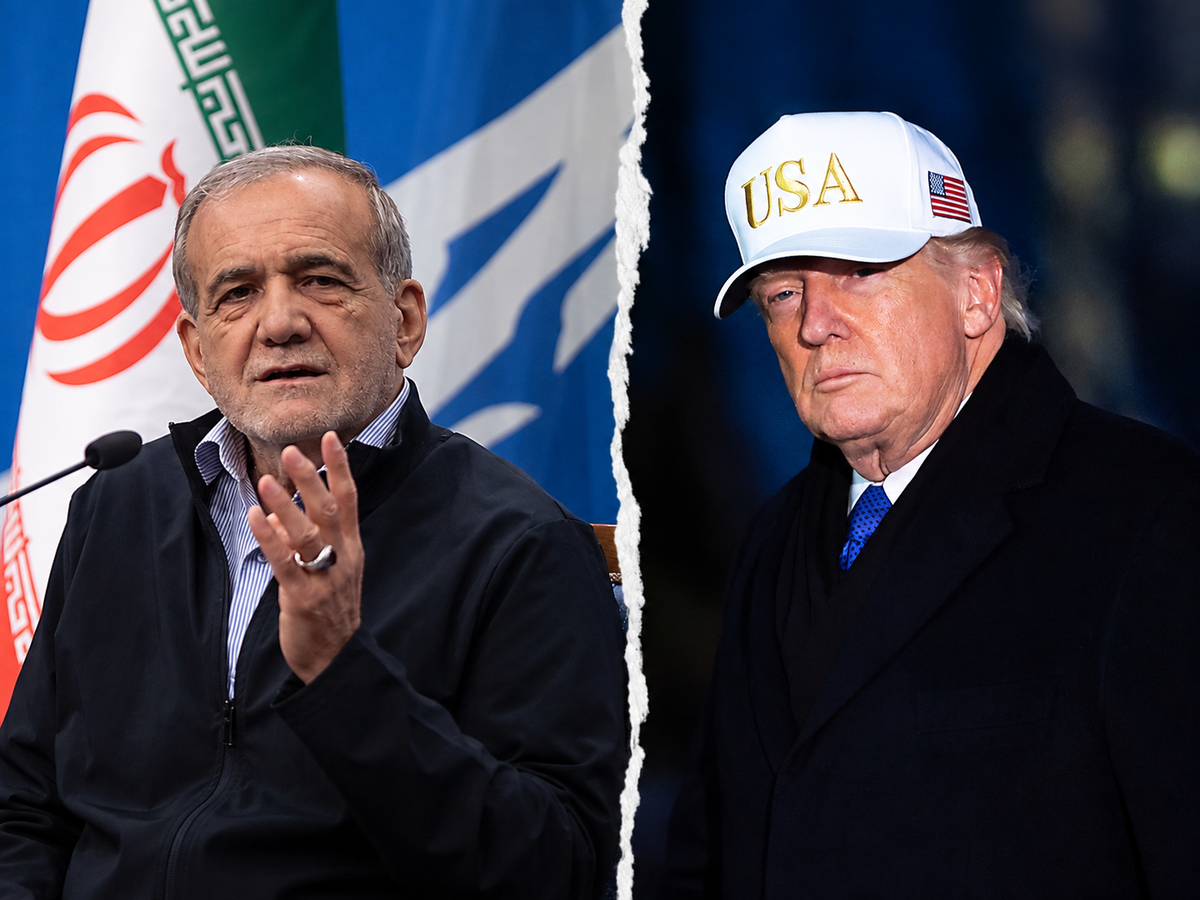
President Donald Trump says he is open to meeting Iranian President Masoud Pezeshkian this week on the sidelines of the United Nations General Assembly in New York, raising hopes that diplomacy could finally begin to de-escalate the seven-month U.S.-Iran war.
The possibility of direct talks immediately moved markets.
Brent crude fell more than 2% on Monday to around $101.71 a barrel, while U.S. West Texas Intermediate dropped below $100 to about $98.15. Both benchmarks touched their lowest levels since September 10 as traders began removing some of the geopolitical risk premium that had built into oil prices.
The market reaction shows how much of the current oil price is tied not simply to supply and demand, but to the possibility of further escalation.
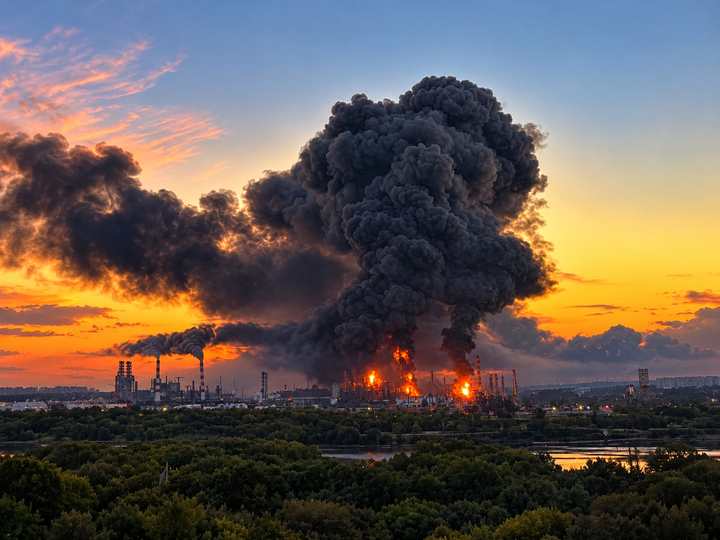
The conflict has disrupted shipping through the Strait of Hormuz, intensified pressure on Gulf oil infrastructure and contributed to renewed attacks by Yemen’s Houthis around the Red Sea. Saudi Arabia’s East-West pipeline has also been hit, increasing concern over alternative export routes.
Yet despite those risks, regional oil flows have proved more resilient than many initially expected.
Saudi exports have recovered to more than 4 million barrels per day in September from around 2.4 million in August, while recent Middle East oil flows have averaged roughly 17.1 million barrels per day over the past 10 days. That resilience, combined with renewed diplomatic hopes, has helped pull prices lower.
Trump’s comments therefore came at a crucial moment.
He said he was open to meeting Pezeshkian during the U.N. gathering, even as Washington and Tehran continue trading threats. Trump has simultaneously warned Iran that failure to reach an agreement could bring devastating consequences, while Iran’s military has threatened severe retaliation if the United States launches another major attack.
That contrast captures the current state of the conflict.
Diplomacy and military pressure are happening at the same time.
Trump has repeatedly suggested that he believes the war could be approaching an end. Earlier this week, he said he was “hopefully” moving toward the final phase of the conflict and is expected to meet Gulf Cooperation Council leaders in New York to discuss Iran and the region’s postwar security order.
But there is still no confirmed Trump-Pezeshkian meeting on the official schedule.
Reuters reported that Trump’s publicly listed U.N. agenda includes meetings with several leaders, including Ukrainian President Volodymyr Zelenskiy and other heads of government, while a meeting with Pezeshkian remains only a possibility.
Iran’s president is expected in New York for the General Assembly, and Washington has approved visas for senior Iranian officials to attend. That at least creates an opportunity for direct contact if both sides decide to use it.
The stakes go far beyond diplomacy.
Oil prices have become one of the most politically sensitive consequences of the war for Trump.
Higher energy prices have pushed up gasoline costs in the United States and added to inflation concerns just weeks before the midterm elections. That has increased pressure on the White House to find a way to reduce tensions without appearing to retreat strategically.
A credible diplomatic opening could provide exactly that.
Any agreement that reduced the risk of further U.S. or Iranian strikes, improved shipping through Hormuz or eased pressure on Gulf infrastructure could push oil lower relatively quickly.
Previous episodes have already shown how sensitive the market is to even small signs of progress.
In August, oil fell more than 5% after U.S. and Qatari officials suggested movement toward a diplomatic solution. On another occasion, crude fell about 7% after Trump postponed a planned attack on Iran while talks were being explored.
The reverse has also been true.
Whenever negotiations appeared to collapse or military escalation increased, oil quickly moved higher again.
That means traders will be watching New York closely this week.
A handshake between Trump and Pezeshkian would not end the war by itself.
There are still major unresolved disputes over Iran’s nuclear program, sanctions, regional militias, shipping through Hormuz and the broader role of U.S. forces in the Middle East.
Iran continues to insist that its nuclear program is peaceful, while Washington says preventing Tehran from acquiring a nuclear weapon remains one of its central war objectives.
There is also a wider regional complication.
The Houthis have expanded their position around the Red Sea and Bab el-Mandeb, creating a second pressure point on global energy markets. Even if U.S.-Iran tensions ease, instability in Yemen could continue threatening Saudi exports and regional shipping.
That is why the latest fall in oil should be read cautiously.
Markets are pricing in hope, not a deal.
Still, the shift matters.
Only days ago, the central question was whether Washington would launch another major round of attacks against Iran.
Now, investors are considering the possibility that Trump and Pezeshkian could meet face to face.
For global energy markets, that is already enough to move prices.