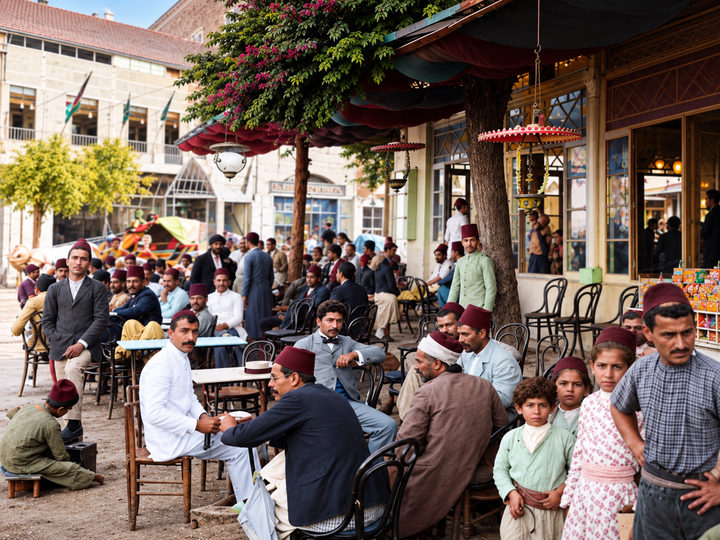
The Old Souks, Cafés and Public Spaces Where Lebanese Social Life Happened Before malls, smartphones and social media, Lebanese social life revolved around souks, cafés, village squares, neighborhood shops and the seafront.
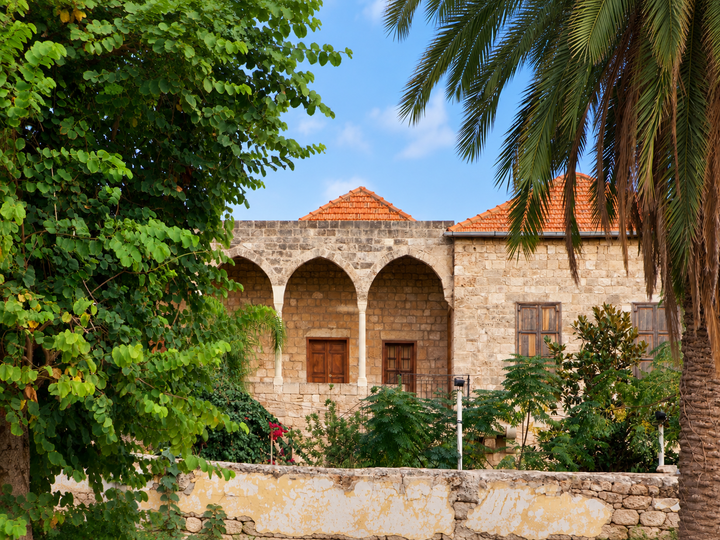
Why Do Traditional Lebanese Homes Have Three-Arched Windows? The three arches found on so many old Lebanese homes were never simply decoration. They formed the exterior opening of the central hall, or dar, connecting one of the house's most important spaces with daylight, air and the landscape beyond.
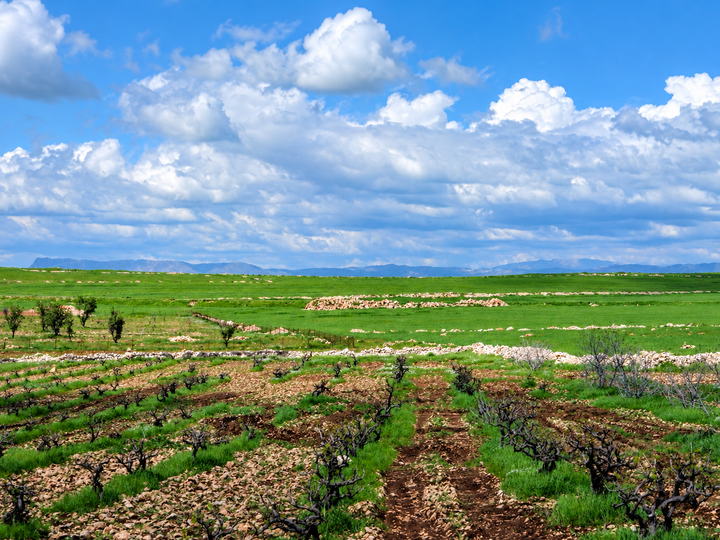
Lebanon Before Weather Apps: How Farmers Predicted Rain, Snow and the Seasons Long before weather apps and satellite forecasts, Lebanese farmers, shepherds and fishermen relied on clouds, wind, humidity, feast days and traditions such as the bawahir to anticipate the seasons.
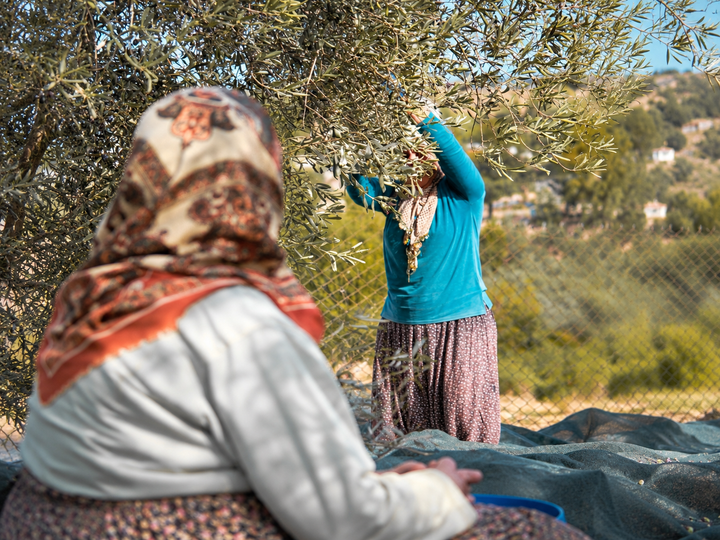
Why Lebanon’s Olive Harvest Is More Than Just a Harvest Every autumn, Lebanese families return to ancestral villages to pick olives from trees that may have been in the family for generations. The harvest ends with oil, but the tradition is about far more than agriculture.
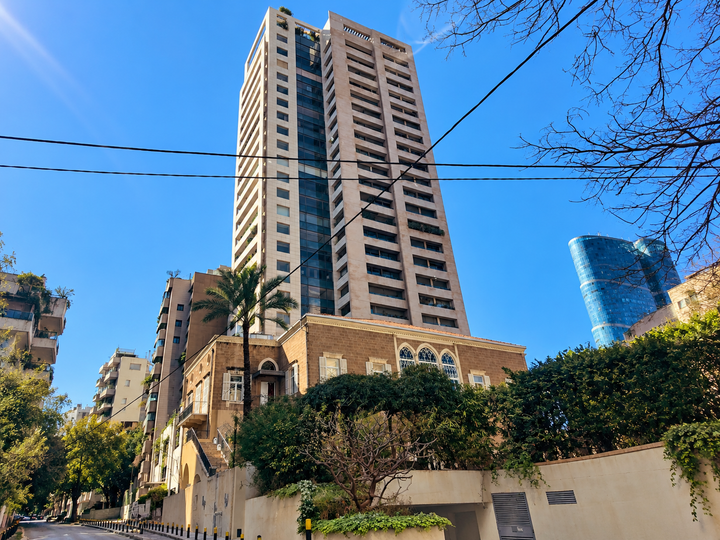
Lebanon Is Erasing Itself Lebanon is gradually losing some of the things that make it unmistakably Lebanese.
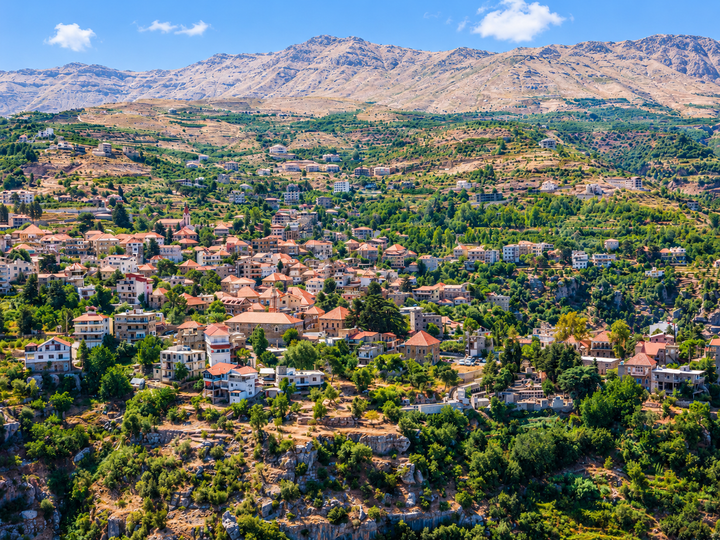
Why Can Two Neighboring Lebanese Villages Have Completely Different Accents? Two Lebanese villages can sit only a few kilometers apart and still have noticeably different accents.
How Lebanese Identity Survived Abroad Even After Arabic Disappeared Across Brazil, Argentina and the wider Lebanese diaspora, millions of descendants retained a Lebanese identity even as Arabic gradually disappeared from their families.